

Justin Keno. Principal of Nelson Mandela school in Bunia, watches more than 400 pupils stream through the gates each morning, wondering which might be carrying Ebola; To prevent the spread, he has installed hand-washing basins and banned food sellers from the school gates.
Ebola Outbreak in DRC and Uganda
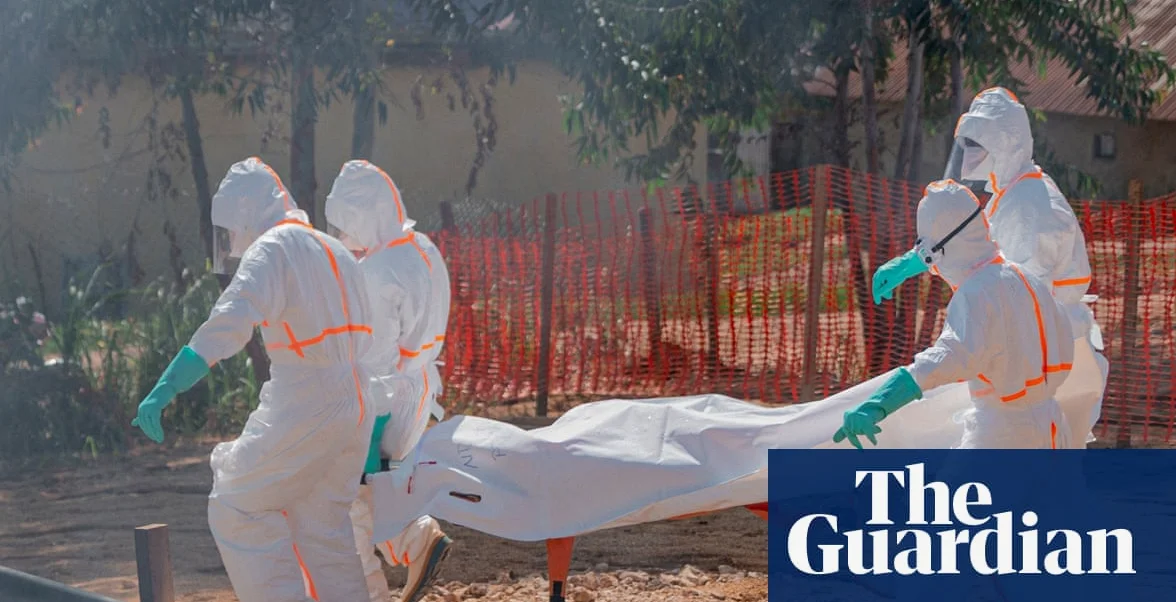
The health ministries of the Democratic Republic of the Congo (DRC) and neighbouring Uganda announced outbreaks of Ebola on 15 May, but the virus is thought to have been circulating undetected for weeks before then. The epidemic. Declared a public health emergency of international concern by the World Health Organization, is caused by the rare Bundibugyo virus, which has no vaccine or approved treatment.
According to a government report. As of 10 June. The outbreak had caused 136 deaths from 676 confirmed cases in the DRC; In Uganda, it had caused two deaths from 19 confirmed cases as of 6 June, according to WHO. The DRC report also noted that the outbreak had spread to three new health zones – all in North Kivu and Ituri provinces.
Economic Impact on Bunia Residents
Sylvie Guilaine, a former used-clothes business owner, closed her operation due to the risk of contracting the disease; she now works as a bricklayer’s assistant and soaks her work clothes in bleach to avoid spreading the virus. Yves Buakya, a motorcycle taxi rider, has seen his earnings plunge as passengers avoid shared rides. Richard Ngongo, an airline travel agent, said flights are blocked and his cash registers are empty, affecting his business.
Georgette Kalume, who runs a secondhand clothes shop, said her Jehovah’s Witness congregation has stopped going door to door to preach and now uses WhatsApp. She decried the lack of government or humanitarian Ebola awareness visits. Medics in eastern DRC are struggling with shortages of basic equipment to protect themselves and prevent the spread of the virus, partly due to aid cuts, logistical challenges, and the large size of the outbreak.
Challenges in Containing the Virus
The International Rescue Committee warned that basic protective equipment is likely to run out within days due to border closures with Uganda and Rwanda, where many supplies are sourced, and insecurity along transport routes. Africa CDC said that as of 4 June, only a quarter of the critical supplies needed for the next three months had arrived in the DRC and Uganda. Thirty-four healthcare workers have been infected with the virus, and seven have died from it.
At Elikya hospital, Dr Yazid Yassine said the isolation ward was full despite the number of beds increasing from six to more than 18. Academic secretary Maki Mugeni Sagesse at ISIG University has managed to prevent infections on the campus by installing chlorinated basins and doing awareness sessions before lectures. Dr Charles Kachindi at CME Nyankunde hospital described a grim situation with 10 confirmed cases and 15 deaths. Testing is not as helpful as it might be, with results taking up to three days to arrive.
Despite the growing danger, disinformation is a significant issue. Yassine has seen patients arrive too late after believing the outbreak is fake and visiting traditional healers. People have become hostile, and Yassine has received death threats. Ngongo, the airline operator, remains unconvinced the outbreak is a hoax, noting that doctors would not die for a lie.






Comments
No comments yet
Be the first to share your thoughts