

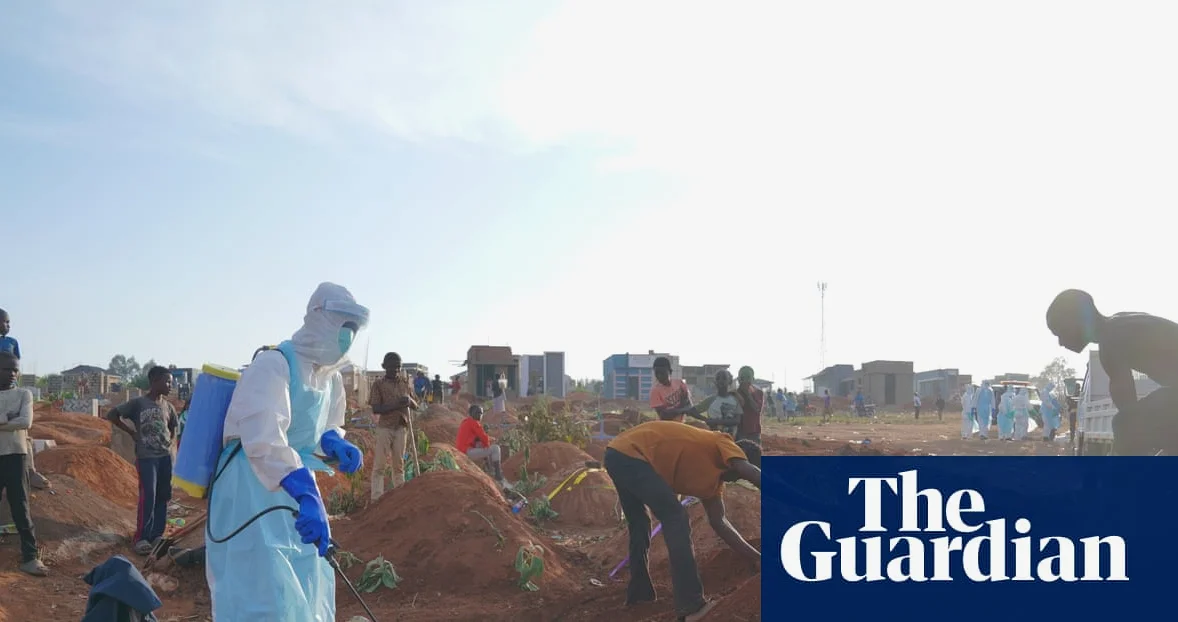
The World Health Organization (WHO) has confirmed that the ongoing Ebola outbreak in the Democratic Republic of the Congo remains a public health emergency of international concern. In a social media post on Tuesday, WHO director general Tedros Adhanom Ghebreyesus emphasized the severity of the Bundibugyo outbreak, three months after the first high-level alarm was raised by health experts.
Ebola cases and deaths reach record levels
According to DRC government data, the number of recorded cases surpassed 5,000 on late Tuesday, while the death toll exceeded 2,300 over the weekend; this makes the current outbreak the deadliest in the country’s history since the 2018,2020 Zaire outbreak. Tedros described the spread of the disease as occurring at an “historic speed,” and warned that the risk of further national and international spread remains high.
Outbreak expands to sixth province
Previously confined to five provinces, Ituri, North Kivu, South Kivu, Haut-Uélé, and Tshopo — the disease has now reached a sixth province, Bas-Uélé in the north. This development has raised fears of a possible spread into neighboring Central African Republic, but Meanwhile, Uganda successfully halted transmission after an initial spillover, Recently, a traveler to France was reported to have carried the virus.
“Borders may slow a response; they do not stop a virus,” Tedros said, highlighting the global nature of the threat.
Dr. Thierno Baldé, the WHO’s incident manager for the Ebola response, noted that population movements driven by insecurity from ongoing conflicts and the transportation of patients and dead bodies are contributing to the rapid spread of the disease. “People are dying outside contact lists,” he said.
Ebola outbreak in DRC remains international concern
The WHO emergency committee continues to monitor the situation closely and has not recommended lowering the level of global alert, as While containment efforts have been made in neighboring countries, the risk of cross-border transmission remains significant.
The DRC government has been working with international partners to implement vaccination campaigns and community outreach programs; Despite these efforts, the spread of the virus is being exacerbated by limited access to health facilities in conflict-affected areas. Health workers also report challenges in convincing local populations to accept medical interventions due to mistrust and misinformation.




Comments
No comments yet
Be the first to share your thoughts