

 BBC
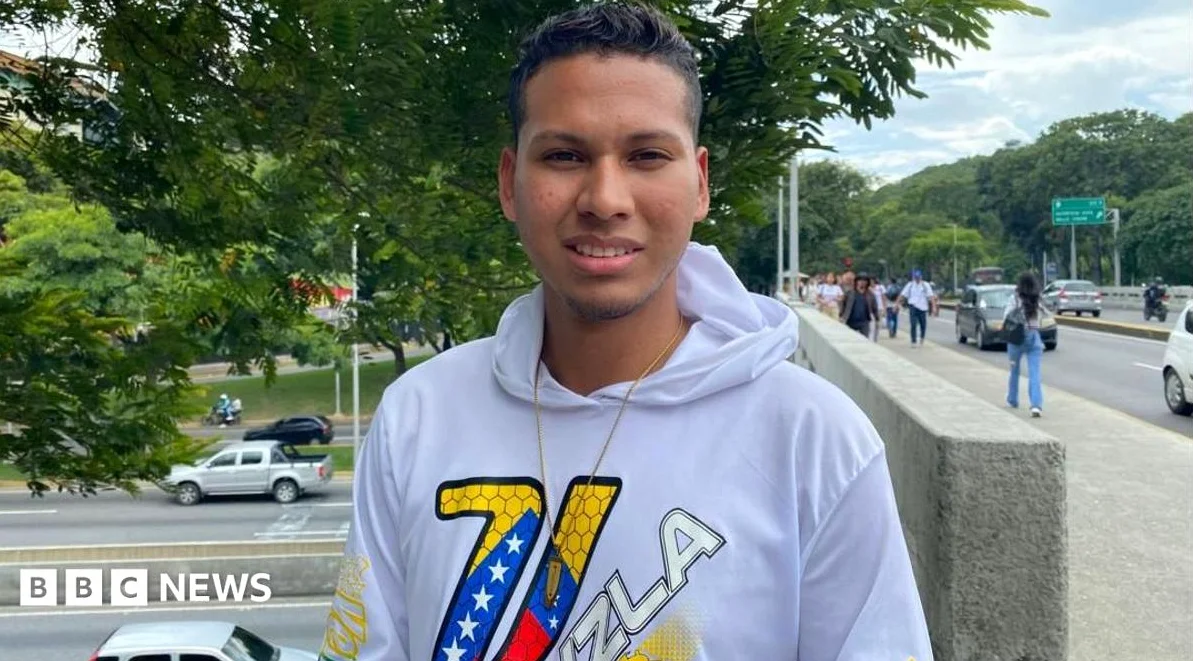
Venezuela’s opposition leader María Corina Machado has returned from exile after nearly a year abroad, greeted by thousands of supporters lining the streets of Caracas and other cities, according to BBC. Her return comes in a dramatically changed political landscape following the removal of former President Nicolás Maduro from power.
Trump’s administration and the new political climate
María Corina Machado left Venezuela in December 2025 to accept the Nobel Peace Prize in Oslo. She had been unable to return until now, with her previous attempts blocked by the Venezuelan government and the Trump administration, which said the ‘time wasn’t right’ for her return. Now, the Trump administration appears to have shifted its stance.
María Corina Machado’s return coincides with a major change in Venezuela’s leadership. Former President Maduro was removed from power by US troops on 3 January 2026 and is now in New York facing charges related to drugs, weapons, and torture. He has pleaded not guilty. Maduro was succeeded by his former vice president, Delcy Rodríguez, who has begun to rebuild relations with Washington, a shift from the years of mutual hostility under Maduro and his predecessor, Hugo Chávez.
Public reception and political implications
Young supporters of Machado, like 20-year-old Gregory Noriega and 18-year-old Hilary, expressed hope and optimism at her return. Noriega said, ‘Maria Corina is the indisputable leader of Venezuela. Her return represents hope.’ Hilary added, ‘This is a step forward in the electoral process which we’ve been waiting for since last year.’
Venezuelan political analyst Beningno Alarcon described Machado’s return as the most significant political event since Maduro’s removal. He noted that her ability to mobilize support remains strong and that the opposition now has a visible, on-the-ground leadership. Alarcon also cited a study by political think tanks Polis and Nexo showing a threefold increase in street protests in the first nine months of 2026 compared to all of 2025, with repression of such protests dropping by more than half.
Challenges and future negotiations
Despite the public support for Machado, she still faces charges in Venezuela, including treason and conspiracy of insurrection, which she and her supporters have long dismissed as politically motivated. Her return also occurs amid US-brokered talks between the Venezuelan government and opposition towards a political resolution.
US Secretary of State Marco Rubio stated that Machado’s ‘safe return’ was ‘the direct result of the US-supported reconciliation talks.’ However, the Venezuelan government has not officially acknowledged the event. Acting President Delcy Rodríguez called Machado’s return a ‘show’ and the entire cross-country event was ignored by state television.
Machado’s spokesperson has indicated a willingness to engage in dialogue with the Venezuelan government. Meanwhile, the Trump administration has emphasized its influence on key issues like energy, with reports suggesting that US officials have been heavily involved in Venezuela’s decision-making process.
As Machado continues to make her way back into the political sphere, her supporters believe her return marks an irreversible shift in Venezuela’s political landscape, one that they could not have anticipated when she left for Oslo a year ago.
Comments
No comments yet
Be the first to share your thoughts