

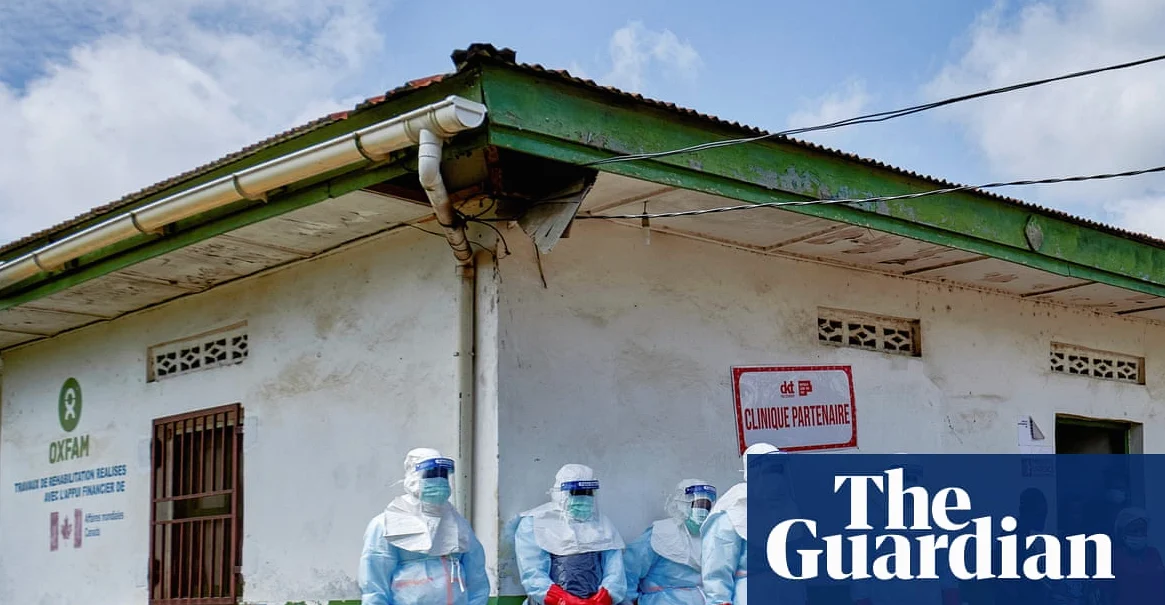
The United States has imposed a travel restriction on non-US citizens who have been in the Democratic Republic of the Congo (DRC), Uganda, or South Sudan in the past 21 days due to an ongoing outbreak of the Bundibugyo strain of the Ebola virus. However, the Africa Centres for Disease Control and Prevention (Africa CDC) has criticized the move, stating that such travel bans are not the solution to outbreaks. The ban has caused disruptions. Including a DRC men’s football team being affected in their World Cup preparations and a flight to Detroit being diverted to Canada because of a traveler from the DRC.
Outbreak Details and Global Response
The outbreak. Which began in Ituri Province near the DRC’s borders with Uganda and South Sudan, was declared a public health emergency of international concern (PHEIC) by the World Health Organization (WHO) on 16 May. It marks the 17th confirmed outbreak of the Ebolavirus genus, but only the third involving the Bundibugyo species, though As of the latest reports, there are 600 suspected cases and 139 suspected deaths in the DRC and Uganda. Of these, 51 cases in the DRC and two in Uganda have been confirmed. The outbreak is believed to have started in Mongbwalu, a gold mining hub, between two to four months ago, before spreading to nearby areas through infected individuals seeking medical care.
Ongoing conflict and humanitarian crises in the region have complicated detection and containment efforts. While the risk of this outbreak becoming a global pandemic is considered low, it is expected to persist in the DRC–Uganda border area for weeks or months. Regional disease control is being challenged, and mitigation strategies are likely to affect travel and movement in the region for the medium term.
Concerns Over Travel Restrictions
The Africa CDC has raised concerns about the impact of travel restrictions, stating that such measures can create fear, damage economies, discourage transparency, complicate humanitarian and health operations, and divert movement toward informal and unmonitored routes. According to the Africa CDC. “generalised travel restrictions and border closures are not the solution to outbreaks.” The body also highlighted the structural injustice in global health innovation, noting that the Bundibugyo strain was identified nearly two decades ago, yet no licensed vaccines or treatments exist for it today.
Dr. Githinji Gitahi. CEO of Amref Health Africa. Echoed this sentiment, stating that “travel bans don’t stop viruses, they stop solidarity.” He emphasized that the fastest way to protect everyone is to invest in outbreak control at the source, rather than isolating the affected. This perspective aligns with the view that global health responses should prioritize equitable access to medical countermeasures, especially for diseases that predominantly affect lower-income regions.
Challenges in Disease Control
The Bundibugyo strain of the Ebola virus, responsible for the current outbreak, does not currently have a vaccine or treatment. According to the Africa CDC, this highlights a deeper issue in global health innovation: the lack of medical solutions for diseases that primarily impact poorer regions. The body stated that if this disease had threatened wealthier regions, medical countermeasures would likely already be available. The absence of a vaccine or treatment for the Bundibugyo strain is a concern for both regional and global health authorities, as it limits the tools available for containment.
The Africa CDC and other global health organizations are calling for a coordinated and inclusive approach to outbreak response. This includes increased investment in health systems, improved surveillance, and greater international cooperation. As the outbreak continues, the challenge will be to balance the need for containment with the need to support affected communities without exacerbating the crisis through restrictive measures that hinder aid and health operations.






Comments
No comments yet
Be the first to share your thoughts