

 The Guardian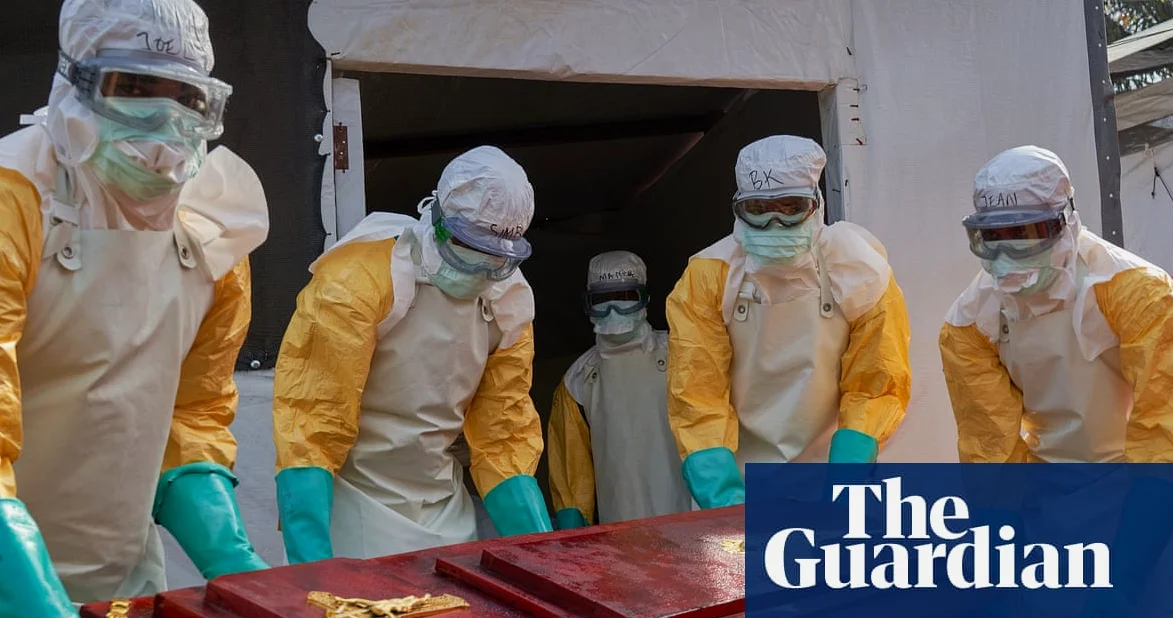
While virologists and public health departments were concerned about an Andes virus outbreak on a cruise ship (13 cases, three deaths), the Bundibugyo virus, responsible for the current Ebola outbreak in the Democratic Republic of the Congo (currently more than 1,250 cases and at least 362 deaths), was less visible.
Bundibugyo Virus and Its Effects
Bundibugyo virus is a highly fatal pathogen. Symptoms include sudden onset of headaches, diarrhoea, malfunctioning kidneys and liver, and occasionally internal and external bleeding. Contagiousness remains after death, which can expose family members during funeral preparations.
Without a proven established vaccine, health workers must isolate patients and trace contacts to combat disease spread.
Understanding the Origins
After controlling the outbreak, it will be essential to understand why it happened and where the disease originated. These answers are critical to preventing or mitigating future outbreaks.
The virus is related to the Zaire Ebola virus, which caused sporadic outbreaks in remote African rainforests since the 1970s and a pandemic in west Africa from 2014 to 2016. Despite being high on bio-terror agent lists, little is known about these viruses in the wild.
Marburg virus is known to persist in large fruit bats, but this has not been proven for Ebola viruses. Fruit bats are often blamed as a source for each Ebola virus outbreak, yet proof of their role in the Zaire Ebola virus is elusive. Assuming bats are the source of Bundibugyo virus is currently just conjecture.
Historically, the first human cases in Ebola virus outbreaks were linked to exposure to other mammal species, including forest antelopes, gorillas, and chimpanzees. Experimentally infected pigs can shed infectious Ebola viruses and infect primates. This suggests that Ebola viruses have a varied approach to host animals.
It is also possible that the virus can remain hidden in the same host for years before resurfacing, a mechanism that could explain the long periods when Ebola viruses seem to vanish.
Challenges in Research
Understanding Bundibugyo virus transmission patterns in tropical forests is challenging. Researchers must find ways to obtain samples from wary canopy-dwelling monkeys without capturing or harming them. Other possibilities include targeting herds of bush pigs or giant fruit bats.
Given the rarity of the disease and the fact that human outbreaks occur after spillover from wildlife, capturing the virus red-handed is difficult. These issues complicate understanding disease emergence, as seen with the controversies surrounding the origins of Covid-19.
Political unrest and cost-cutting of research and health funds by the US and UK have further complicated scientific research in affected areas. Despite these challenges, understanding the virus is necessary.
Before 2010, the largest Ebola virus outbreaks rarely exceeded 300 cases, but since then, there have been three outbreaks with thousands of cases. This trend indicates larger epidemics.
If the origins of Ebola viruses were understood, mitigation strategies could be developed, such as using wildland buffers or discouraging the consumption of wild animals. Integrated surveillance programs could also monitor signs of disease spread among wildlife, livestock, and humans.
Without knowing the source, humans and local wildlife remain at risk. Retaliatory actions against perceived wildlife culprits, like the bat-killing sprees after the Covid-19 outbreak, can unintentionally exacerbate disease spread. For example, in Cuba, people set fire to bat roosts; in Rwanda, government workers used water cannons on bats; and in other countries, bat roosts were attacked and destroyed.
These actions can worsen health outcomes if the species is unrelated to the pathogen’s transmission. Disturbing or culling wildlife populations can also unintentionally increase the spread of diseases like Marburg virus, rabies, or bovine tuberculosis.
If habitat destruction is a driver of recurrent Ebola virus outbreaks, better understanding is needed to address these issues effectively. These links between humans, wildlife, and the environment are central to the so-called “one health” approach, which recognizes the connections and their impact on the health of all three components.
This approach can be applied locally to various situations, such as chicken farms and wild swimming in the Wye or bovine tuberculosis in badgers and cows. The key question is whether this outbreak might provide the incentive to act and prevent future epidemics.
Dan Salkeld, a disease ecologist and the author of Emerging Zoonotic and Wildlife Pathogens, emphasizes the importance of understanding the wildlife origins of Ebola to prevent future outbreaks.






Comments
No comments yet
Be the first to share your thoughts