

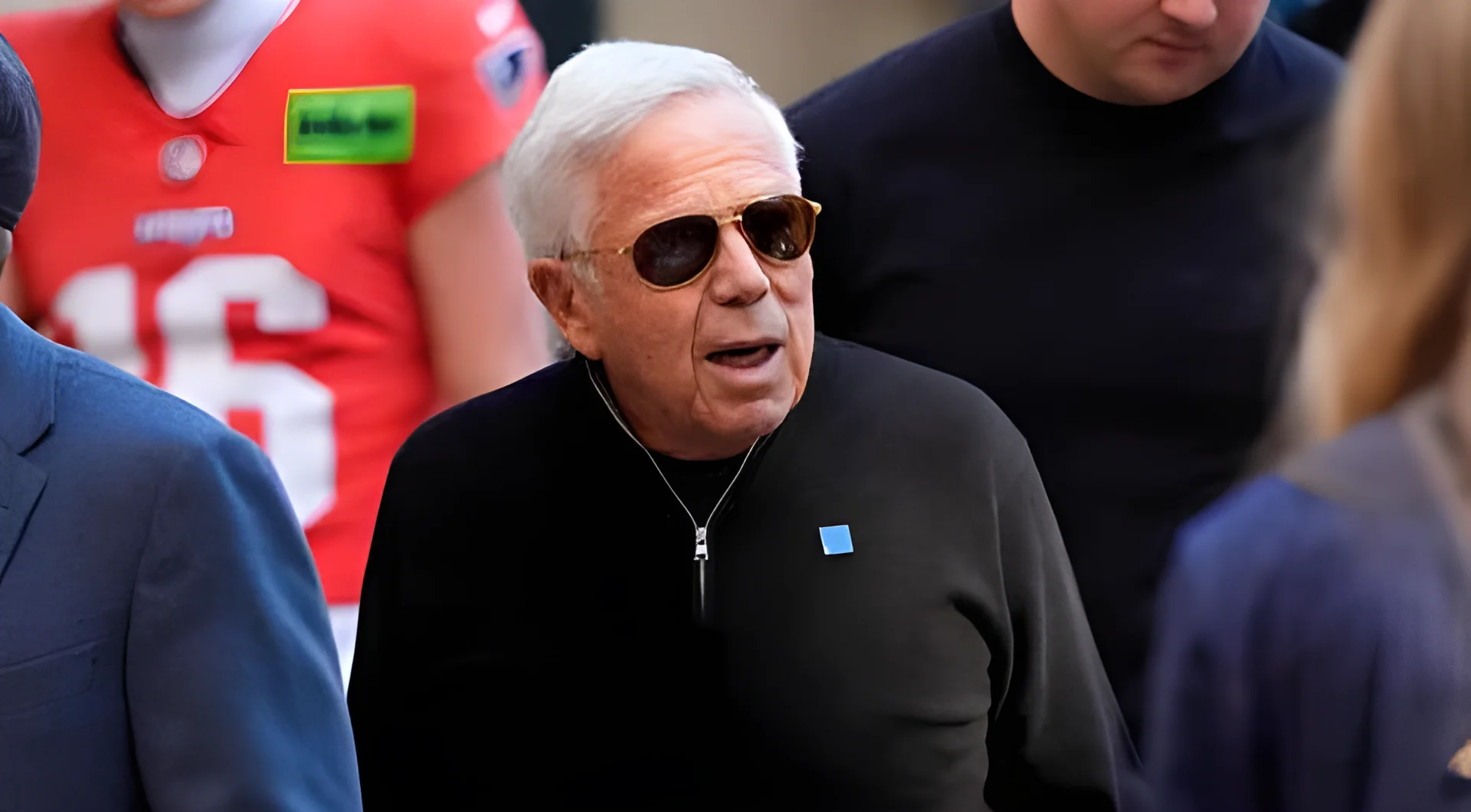
Rapper Macklemore was removed from British pop star Ed Sheeran’s U.S. stadium tour after he criticized the war in Gaza and displayed the Palestinian flag during a concert on September 4 in East Rutherford, New Jersey. According to multiple sources, the decision to remove Macklemore was influenced by Robert Kraft, 85, owner of the New England Patriots and Gillette Stadium, who reportedly called Sheeran directly and threatened to cancel the concert if Macklemore remained as an opener. The move set off a chain reaction, with other artists including Finneas, Lukas Graham, Aaron Rowe, and Beoga also withdrawing from the tour in solidarity.
Philanthropy and donations emerge
In the wake of the controversy, Macklemore announced on social media that he would donate his $1 million appearance fee to six organizations supporting Palestinians; the rapper also publicly urged Robert Kraft to match the donation and direct it toward humanitarian aid in Palestine. Kraft responded by announcing a $2 million donation of his own. According to Kraft, the idea to donate had been suggested to him earlier by Ed Sheeran, who sought to create a broader coalition among stadium owners to support humanitarian efforts in the region. “Our goal is to continue collaborating and building bridges,” Kraft wrote on social media.
Political and cultural implications
Kraft’s involvement in the decision to remove Macklemore highlighted the extent of his influence beyond sports; Worth an estimated $15.2 billion according to Forbes, Kraft has long been a major player in American politics and philanthropy. His actions, according to Ynetnews, reflect a growing focus on combating antisemitism and supporting Israel, a stance that has also shaped his political relationships, including with former President Donald Trump. Kraft emphasized that he has supported projects aimed at empowering young Palestinians and Israelis to collaborate on business and social initiatives.
Broader backlash and public figures weigh in
The controversy quickly attracted broader attention, with former Pink Floyd member Roger Waters publicly criticizing Ed Sheeran on Instagram — Waters called Sheeran a “moron” for not publicly supporting artists who speak out on the Gaza war. He praised Macklemore as one of the “right people” who do the “right thing.” According to VOI.ID, Waters’ comments added fuel to the growing backlash against Sheeran, who eventually issued a public statement on Instagram clarifying that the decision to remove Macklemore was made by the tour organizers, not by himself.
Meanwhile, the incident has been seen as a sign of the expanding influence of the BDS (boycott, divestment, and sanctions) movement into the cultural and entertainment sectors. As more artists and figures take public stances on the conflict, the controversy over Macklemore’s removal has become a focal point of a wider debate about freedom of expression, corporate influence, and humanitarian responsibility in the music industry.
Comments
No comments yet
Be the first to share your thoughts