

 BBC
BBC 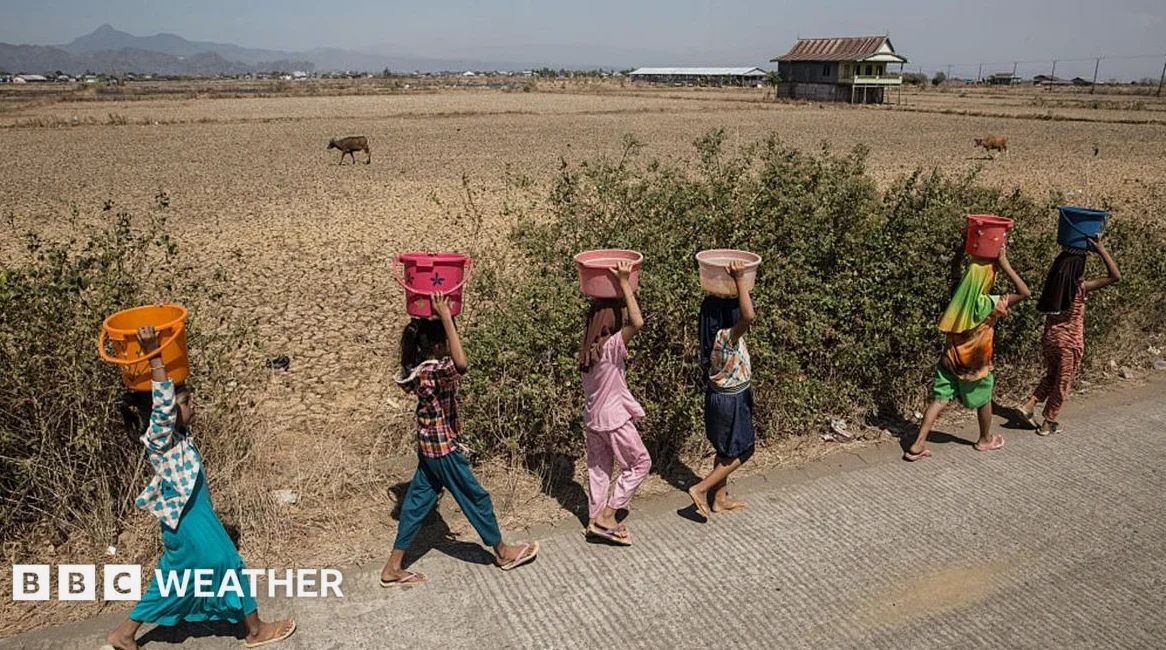
According to the Met Office, the current El Niño event is expected to be the strongest in living memory, with potential impacts on global weather patterns. El Niño events are known to vary in their effects, but evidence already suggests that significant changes are occurring; For instance, the southwest monsoon has delivered suppressed rainfall in South Asia, with 2026 running well below normal levels.
Global Weather Impacts
El Niño influences weather patterns in various regions; In the Caribbean and tropical Atlantic, changes in wind patterns have reduced hurricane activity, with only three named storms so far this season. In areas close to the tropical Pacific, the influence of El Niño can be profound, increasing the risk of drought and bushfires in Australia, while also raising the threat of flooding in Peru, Ecuador, and the southern United States.
For the UK, El Niño is not considered a major driver of the record-breaking heatwaves this summer. However, it could have a more significant impact during autumn and early winter, with increased potential for wet and stormy conditions in north-west Europe, including the UK. El Niño can also increase the odds of cold weather late in the winter, although the links are rather loose.
Record Temperatures in 2027
During El Niño events, significant heat is released from the ocean to the atmosphere, leading to an increase in global average temperatures. Met Office climate scientist Dr. Nick Dunstone explained that this could result in 2027 being the warmest year on record, and “Hence, 2027 is very likely to replace 2024 as the warmest year on record,” he said. Earlier this month, the UN’s Food and Agriculture Organization warned that El Niño could threaten tens of millions of people in at-risk countries with crisis-level acute food insecurity.
Local Efforts to Cope with Heat
In Essex, cricket club groundsman Stuart Kerrison has taken drastic measures to keep the pitch alive during the recent heatwaves — he and his staff have been working unsociable hours to water the grounds in Chelmsford. Despite a hosepipe ban in place for residents, businesses are exempt if the use is necessary for commercial activities; Kerrison said he would prefer five days of miserable weather to help the grass survive. “I could do with five days of miserable weather, it won’t be great for the kids on summer holidays, but for our grass to survive that’s what we need,” he said.
Kerrison has been working at the club for many years and has experienced summers with similar challenges; he noted that the south and south-east of England have struggled with water availability. If the club receives a decent amount of rain, some of the grass that has died off could recover, but However, the current conditions require careful management to avoid negative perceptions from neighbors who are also affected by the hosepipe ban.




Comments
No comments yet
Be the first to share your thoughts