

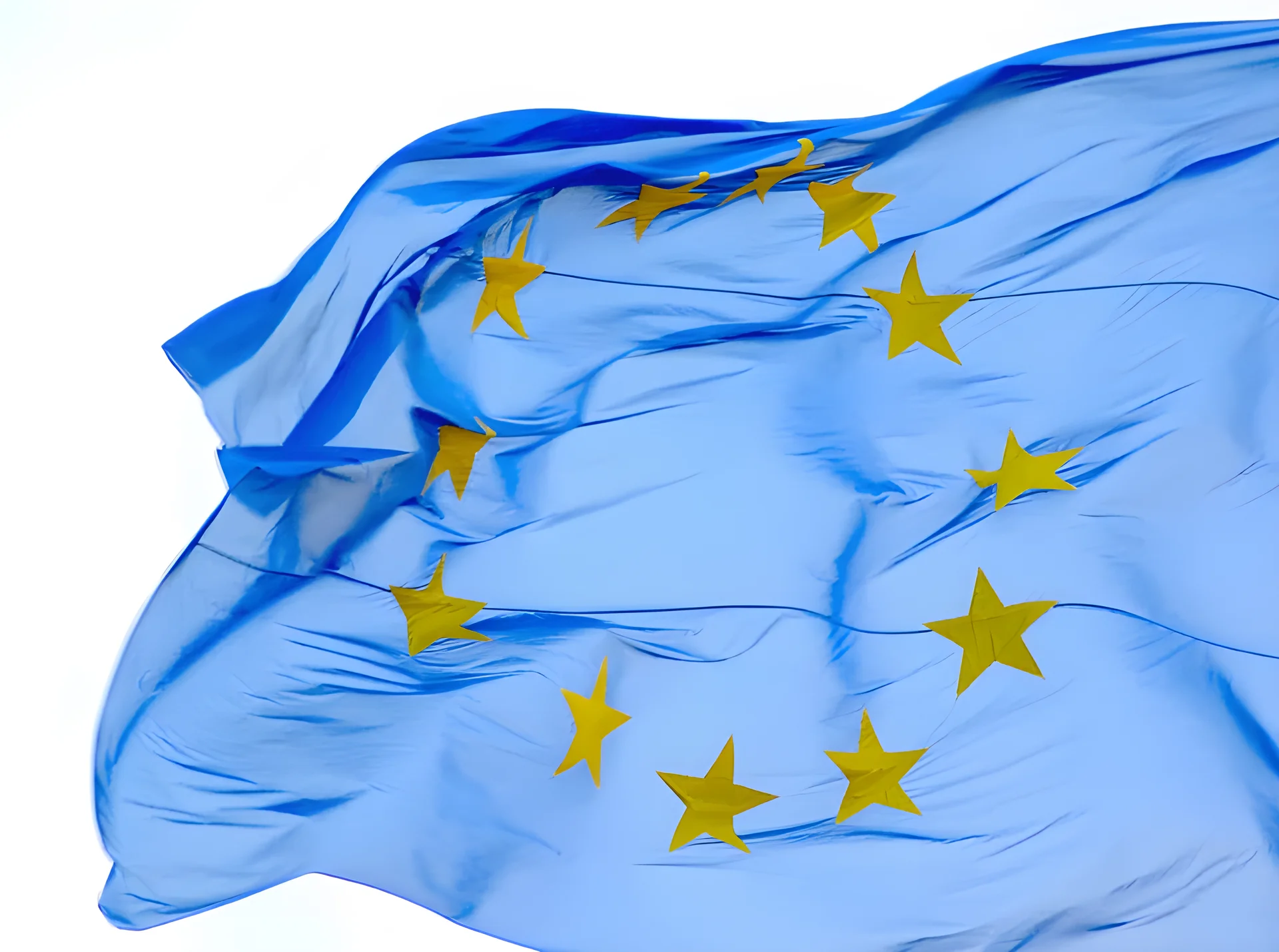
The European Union is struggling to present a unified front as the Middle East crisis deepens, with member states showing conflicting positions on the US-Israeli strikes against Iran. This fragmentation has raised concerns about the bloc’s ability to act cohesively in a rapidly evolving geopolitical landscape.
Political Divisions in Response to Middle East Crisis
EU leaders had anticipated the current turmoil, having closely monitored the US military buildup in the region. However, the recent US-Israeli strikes on Iran have exposed the EU’s internal divisions, with no clear consensus on how to respond.
European Commission President Ursula von der Leyen and Vice-President Kaja Kallas, head of the European External Action Service, have expressed diametrically opposed views on the situation, highlighting the deepening rift among EU members.
While the EU’s foreign ministers issued a statement that stopped short of calling for regime change in Iran, individual member states have taken distinct approaches. Spain’s Prime Minister Pedro Sanchez, known for his anti-Israel stance, has prohibited the US Air Force from using Spanish military bases. Meanwhile, German Chancellor Friedrich Merz has indicated that Berlin may be adapting to a new global order shaped by the United States, rather than adhering strictly to international rules.
Europe’s Big Three and Their Stance on Iran
France, Germany, and the United Kingdom, often referred to as the EU’s Big Three, issued a joint statement warning Iran that they were prepared to take ‘defensive action’ to neutralize its missile and drone capabilities unless Tehran ceased its ‘indiscriminate attacks’.
The UK has agreed to the US request to use two British military bases for strikes on Iranian missile sites, a move that highlights the alignment of Western powers in the region. However, all three countries have refrained from questioning the legality of the US-Israeli strikes under international law.
The joint statement highlights a strategic alliance among the three nations, but it also reflects the broader challenge of maintaining unity within the EU in the face of a complex and rapidly shifting geopolitical environment.
Energy Prices and the Impact on European Consumers
The Middle East crisis has also had tangible economic effects on European consumers, with gas prices soaring to levels not seen since the start of Russia’s invasion of Ukraine in 2022. This increase has raised concerns about energy security and the potential for further economic strain on households across the continent.
European officials have expressed anxiety about the safety of EU citizens in the Middle East, as well as the broader implications of the crisis on domestic energy markets. The rising energy prices have added to the economic pressures already faced by many European countries, particularly in the context of a slow recovery from the pandemic and ongoing inflation.
Experts warn that the situation could further complicate Europe’s energy policy, especially as the bloc seeks to reduce its reliance on Russian energy and increase domestic production and renewable energy capacity.
As the Middle East crisis continues to unfold, the EU faces a critical test of its ability to act as a cohesive entity in international affairs. The question remains whether European nations, both within and outside the EU, can effectively coordinate their responses to the challenges posed by the new global order.
With the stakes rising in the Middle East and the potential for further escalation, the EU’s ability to present a united front will be crucial in determining the region’s future and the bloc’s role in global affairs.






Comments
No comments yet
Be the first to share your thoughts