


The Euro-Mediterranean Human Rights Monitor issued a stark warning Thursday about plans by Israel and the United States to force a digital economy on the Gaza Strip. According to the group’s statement on its website, the initiative seeks to eliminate cash transactions entirely and place all financial activity under Israeli oversight.
Palestinians would rely on digital wallets for basic needs, the Monitor said. Officials with the group argued this turns access to money into a revocable privilege tied to security clearances. ‘Any digital infrastructure imposed under occupation becomes a tool for collective control and extortion,’ the statement reads, with journalists, activists and human rights defenders facing the sharpest risks.
The plans extend to limiting high-speed internet to select zones, including an area called ‘New Rafah.’ The Monitor said this setup reinforces technology as a means to pressure residents and alter Gaza’s demographic makeup. Cash drainage, they added, aims to reshape the territory into a space devoid of economic independence.
Such measures demand rejection, the group urged. It called for prohibiting ties between financial services, humanitarian aid or essentials and biometrics, security vetting or political stipulations. Digital systems must wait for true Palestinian sovereignty, independent representation and enforceable oversight, according to the Monitor.
Regular independent audits on privacy, cybersecurity and human rights impacts should govern any such technology, the statement stressed. Without these safeguards, the group views the push as an extension of genocidal tactics through non-violent means.
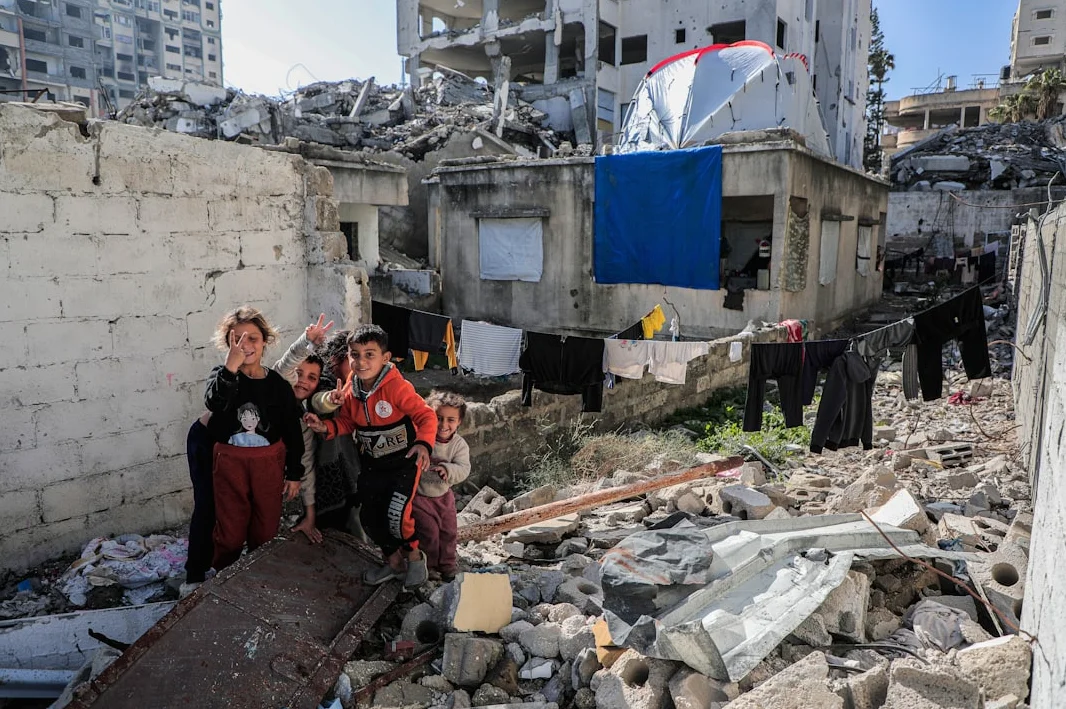
The Monitor’s alert highlights broader concerns over Gaza’s reconstruction amid ongoing conflict. Israel has faced accusations of using aid mechanisms for use, though officials deny such intentions. The digital economy proposal emerges as aid groups grapple with delivering assistance in a war-torn enclave where traditional banking collapsed years ago.
Previous efforts to introduce cashless systems in conflict zones have drawn scrutiny. In places like Yemen and Syria, similar tech faced backlash for enabling surveillance. The Monitor drew parallels, noting Gaza’s unique status under blockade amplifies risks.
Palestinian authorities have not commented directly on the alleged plans. International donors, including the U.S., emphasize humanitarian goals in any tech rollout. The Euro-Mediterranean Human Rights Monitor, based in Geneva, focuses on Mediterranean and Middle East rights issues.





Comments
No comments yet
Be the first to share your thoughts