

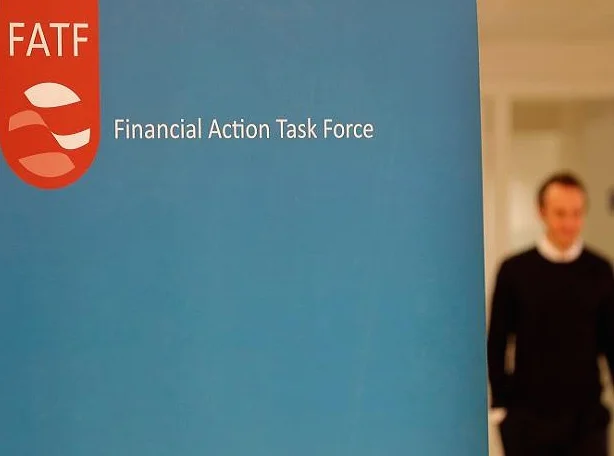
The Financial Action Task Force (FATF) has added Kuwait and Papua New Guinea to its list of jurisdictions under increased monitoring, signaling concerns over strategic deficiencies in their anti-money laundering and counter-terrorism financing frameworks. The decision was made during the FATF plenary meeting held from February 11 to 13, 2026, according to the Reserve Bank of India.
Strategic Deficiencies Identified
The FATF highlighted that Kuwait and Papua New Guinea were placed under ‘increased monitoring’ after identifying significant gaps in their ability to combat money laundering, terrorist financing, and proliferation financing. These countries are now required to develop time-bound action plans to address these issues, as outlined in the FATF’s public statement following the meeting.
The list of ‘High-Risk Jurisdictions subject to a Call for Action’ remains unchanged, with Iran and the Democratic People’s Republic of Korea (DPRK) continuing to be subject to countermeasures. Myanmar remains under enhanced due diligence requirements after its inclusion in the list during the October 2022 plenary.
Impact on Trade and Financial Flows
FATF has urged its members and other jurisdictions to apply enhanced due diligence measures proportionate to the risks arising from Myanmar. However, it has also emphasized that financial flows related to humanitarian assistance, legitimate non-profit organization (NPO) activities, and remittances must not be disrupted.
Countries placed on the so-called ‘grey list’ commit to implementing action plans to address the identified gaps. These action plans are developed in collaboration with the FATF to strengthen their anti-money laundering and counter-terrorism financing regimes.
The current list of jurisdictions under increased monitoring includes 22 countries, such as Algeria, Angola, Bolivia, and Yemen. These nations have developed action plans with the FATF to address weaknesses in their frameworks. The FATF periodically publishes statements detailing these jurisdictions as part of its global efforts to identify and work with countries that have strategic deficiencies in their anti-money laundering and counter-terrorism financing frameworks.
What Analysts Say
Experts note that the FATF’s decision to add Kuwait and Papua New Guinea to the grey list is part of a broader trend of increased scrutiny on countries with vulnerabilities in their financial systems. According to a recent report, the number of countries under increased monitoring has risen by 15% over the past three years.
‘This move highlights the growing importance of global cooperation in combating financial crime,’ said a senior analyst at the International Institute for Strategic Studies. ‘It sends a clear message that countries must address their weaknesses or face economic and reputational consequences.’
The FATF is an intergovernmental body that sets global standards for combating money laundering, terrorist financing, and other threats to the integrity of the international financial system. The FATF plenary, its decision-making body, meets three times a year to review progress and update these lists.
For ordinary citizens, the implications of these decisions can be significant. Enhanced due diligence measures may lead to stricter requirements for banks and financial institutions, potentially affecting the ease of accessing financial services. In some cases, this could result in delays in transactions or increased costs for individuals and businesses.
What’s next for Kuwait and Papua New Guinea? Both countries will need to submit detailed action plans to the FATF, outlining how they intend to address the identified deficiencies. The FATF will review these plans and provide feedback, with progress assessed during subsequent plenary meetings. If these countries fail to meet their commitments, they could face further sanctions or be moved to the high-risk list.
The FATF’s actions are also likely to influence international trade and investment flows. Countries on the grey list may find it more difficult to attract foreign investment or access international financial markets. This could have a ripple effect on their economies, particularly if they rely heavily on international trade and remittances.





Comments
No comments yet
Be the first to share your thoughts