

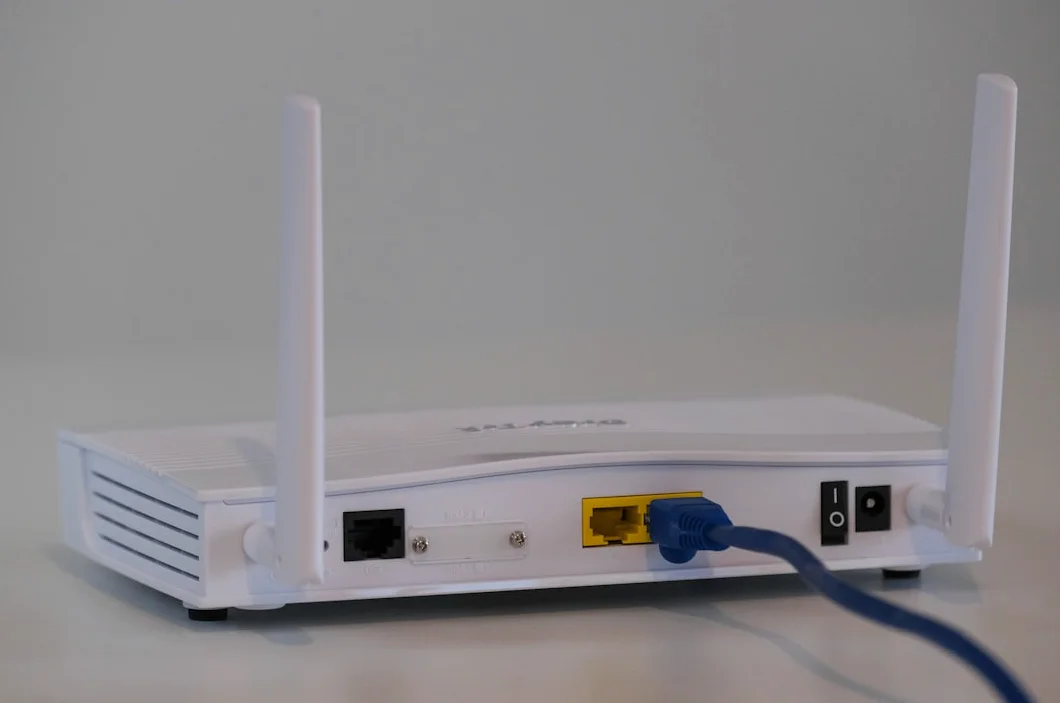
The U.S. Federal Communications Commission (FCC) has banned the import of new wireless routers from foreign manufacturers, citing national security concerns, according to reports from Japanese and U.S. news outlets. This decision marks a significant shift in how the United States regulates consumer electronics and cybersecurity, affecting both domestic and international markets.
Background and Regulatory Context
The FCC’s move follows growing concerns about the potential vulnerabilities in wireless routers manufactured outside the U.S. According to Japanese news outlet Yahoo! Japan, the ban applies to all new wireless routers from foreign countries, regardless of their origin or manufacturer — this decision comes amid a broader push to strengthen cybersecurity infrastructure and protect critical communications infrastructure from foreign threats.
Japanese media reported that the FCC’s decision was made after a review of potential risks associated with foreign-made devices, including the possibility of backdoors or malware embedded in hardware. TBS CROSS DIG with Bloomberg stated that the FCC cited a lack of adequate oversight and compliance with U.S. security standards as key factors in the decision.
The FCC did not provide specific details on which countries or manufacturers were targeted by the ban; However, sources suggest that Chinese and other Asian manufacturers are likely to be affected, given the existing scrutiny on their products in Western markets.
Impact on Global Markets and Consumers
The ban has immediate implications for the global consumer electronics market. According to XenoSpectrum. A Japanese tech news site. The decision may lead to a shortage of wireless routers in the U.S., forcing consumers and businesses to rely on existing stock or turn to more expensive alternatives. This could result in increased costs for consumers and a shift in market dynamics.
Industry analysts believe the ban could also affect companies like NetGear, which may see an opportunity to increase market share as foreign competitors are restricted. However, the long-term effects on the industry remain uncertain, particularly as the FCC has not provided a clear timeline for the ban or its potential reversal.
According to Yahoo! Japan, the decision has raised concerns among international manufacturers, who argue that the FCC’s actions may be overly broad and lack sufficient evidence to justify a complete import ban. Some companies have already begun exploring ways to comply with U.S. regulations while maintaining their presence in the market.
Reactions from International Those involved
The FCC’s decision has drawn mixed reactions from international those involved. According to XenoSpectrum, several countries have expressed concern over the potential for the U.S. to use national security as a justification for trade restrictions. European officials, for instance, have called for a more transparent and evidence-based approach to cybersecurity regulation.
Japanese media reported that some technology firms in Asia have warned that the ban could lead to retaliatory measures against U.S. companies operating in their markets. TBS CROSS DIG with Bloomberg quoted a Japanese trade representative as saying, ‘This move risks damaging long-standing economic partnerships and could lead to an escalation of trade tensions.’
In contrast, some U.S. cybersecurity experts have supported the FCC’s decision. XenoSpectrum reported that a senior U.S. cybersecurity official said, ‘It is serious to ensure that the devices used in our critical infrastructure are secure and not subject to foreign influence. This is a necessary step in protecting our national security.’
What’s Next for the FCC and the Industry
The FCC has not yet provided a detailed roadmap for the implementation of the ban. According to Yahoo! Japan, the agency is expected to release more information in the coming weeks, including guidance for manufacturers and consumers. This will be critical for determining how the ban will be enforced and what exemptions, if any, may be available.
Industry observers suggest that the ban may be a precursor to broader regulatory changes in the U.S. technology sector. XenoSpectrum reported that some lawmakers are pushing for stricter oversight of foreign technology imports, particularly in areas related to telecommunications and cybersecurity.
Meanwhile, consumers and businesses are being advised to evaluate their current wireless router inventory and consider alternatives that meet U.S. security standards. The FCC has also urged manufacturers to comply with new regulations to avoid penalties and ensure continued access to the U.S. market.
Why It Matters
The FCC’s ban on foreign wireless router imports is a significant development in the ongoing debate over cybersecurity and national security. By restricting the import of foreign-made devices, the U.S. is taking a proactive stance on protecting its digital infrastructure from potential threats. This move could have far-reaching consequences for both the global technology market and U.S. consumers, who may face higher costs and fewer options in the near term.
Beyond that, the decision highlights the growing role of cybersecurity in international trade and diplomacy. As countries continue to grapple with the challenges of digital security, the FCC’s actions may serve as a precedent for other nations seeking to protect their own technological and economic interests.






Comments
No comments yet
Be the first to share your thoughts