

U.S. Legal Limits on Military Action
Under the War Powers Resolution of 1973, U.S; President Donald Trump must seek congressional approval for military operations in Iran if they extend beyond 60 days. The deadline to extend the current operation is May 1; this law was originally opposed by President Richard Nixon, but it became law after Congress overrode his veto. The resolution was designed to limit presidential power in war, following the Vietnam War precedent.
International Diplomatic Efforts and Responses
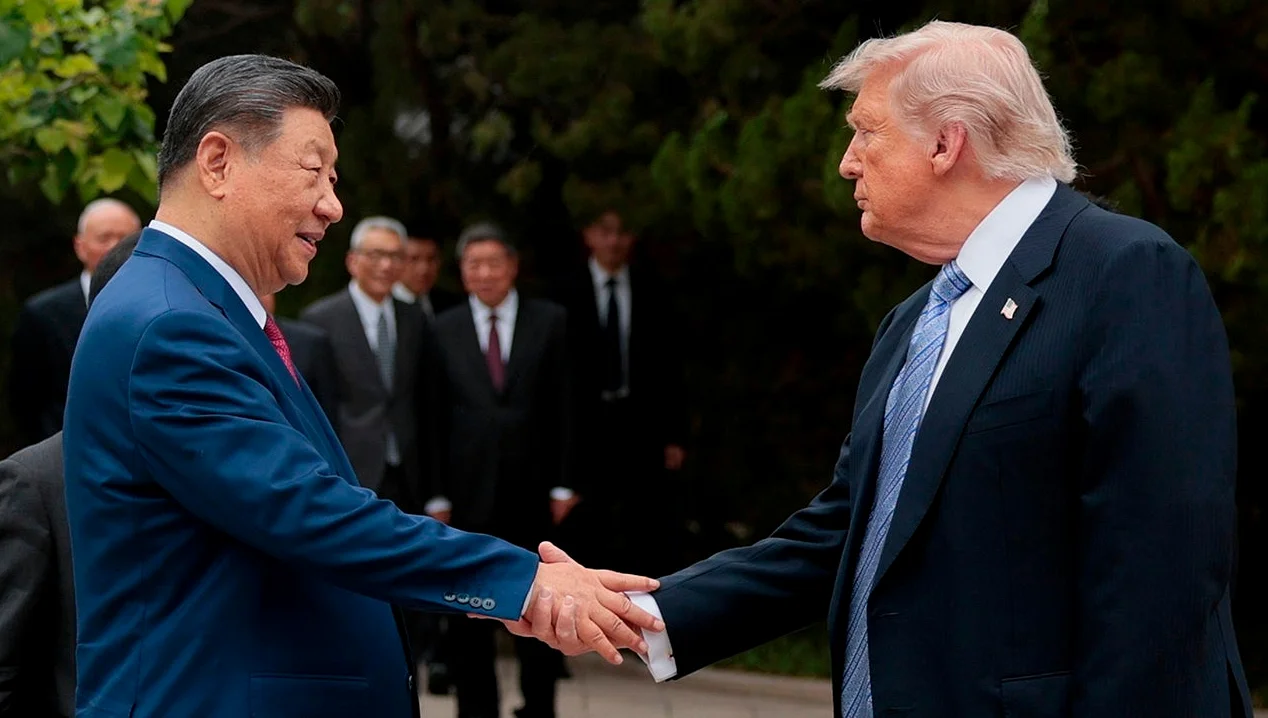
Trump has received mixed signals from global leaders regarding peace efforts. On March 1, China’s President Xi Jinping offered to mediate, according to reports, but U.S. National Security Advisor H.R. McMaster questioned whether Xi would act on this offer. In parallel, Pakistan has sent Interior Minister Araqchi to Iran to facilitate peace talks with the U.S. Iranian Foreign Minister Abbas Araqchi confirmed that Washington has expressed willingness to continue negotiations, though tensions remain high.
European Union officials have distanced themselves from the conflict. EU Foreign Policy Chief Kaja Kallas stated, “This is not the war of Europe,” and ruled out expanding the EU’s naval mission in the Strait of Hormuz. The mission remains focused on protecting shipping lanes in the Red Sea and Gulf of Aden.
Economic and Security Impacts
The war has already disrupted global energy markets. The Strait of Hormuz, a critical oil and gas transit point, has effectively been blocked, halting 20% of global oil consumption and 20% of LNG shipments. Iran’s domestic energy market is also affected; its stock exchange will reopen on April 1 to restore financial stability.
Security concerns persist. The U.S. State Department announced the arrest of Mohammad Baqer Saad Dawood Al-Saadi, an Iraqi national accused of planning attacks on American and Jewish targets. Al-Saadi is linked to Ashab al-Yamin, an Iran-aligned group responsible for attacks in Europe. The FBI described the operation as a major international effort to bring him to U.S. custody.
Energy disruptions are affecting different regions unevenly. While the U.S. has less exposure due to its domestic energy production, European countries face sharper economic strain. In response, Saudi Arabia has redirected oil shipments through its East-West Pipeline, bypassing the Strait of Hormuz. Meanwhile, Oman and Qatar continue LNG exports via alternate routes.




Comments
No comments yet
Be the first to share your thoughts