

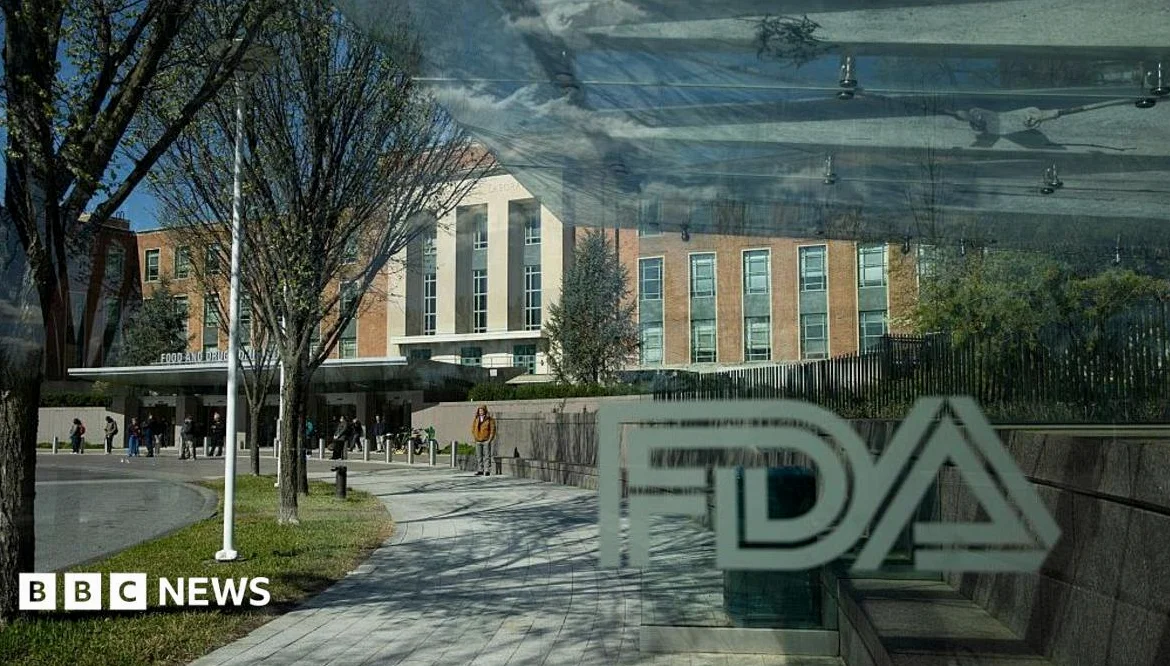
The U.S. Food and Drug Administration (FDA) has approved a new drug to treat advanced pancreatic cancer, marking a major advancement in cancer treatment; the drug, daraxonrasib—sold under the brand name Rasonque,was developed by Revolution Medicines and targets the RAS protein, a key driver of tumor growth.
Improved Survival Rates in Clinical Trials
A late-stage clinical trial involving 500 patients showed that Rasonque nearly doubled the median overall survival time to more than 13 months, compared to about 6.7 months for patients receiving standard chemotherapy, according to ABC News.
“FDA approval of daraxonrasib is an exceptional moment for patients with pancreatic cancer and the culmination of many years of research to find a way to target KRAS,” said Dr. Brian Wolpin, director of the Hale Family Center for Pancreatic Cancer Research at the Dana-Farber Cancer Institute, in a statement to ABC News. He added that the drug brings a new treatment option and hope to patients with metastatic pancreatic cancer, while providing a foundation for further advances against the disease.
Fast-Track Approval and Significance
The FDA granted Rasonque a “Breakthrough Therapy” designation in June 2025, which expedites the development and review of drugs that treat serious conditions and show substantial improvement over existing treatments, according to ABC News. The drug was approved more than six months before its scheduled review date, as noted by Fox News.
In a statement, Acting FDA Commissioner Kyle Diamantas said: “The approval of today offers a new fundamental option for patients who are facing an extraordinarily difficult cancer that, historically, has been complicated to treat. It is our fundamental duty to offer more cures and effective treatments to patients as soon as possible.”
He also praised the FDA scientists for their “rapid and thorough review” and “unbreakable commitment” to achieving this milestone.
Pancreatic Cancer Statistics and Implications
Pancreatic adenocarcinoma accounts for about 95% of exocrine pancreatic cancers in the U.S., according to the American Cancer Society. While it represents only 3.2% of all cancer diagnoses, it accounts for a disproportionately high share of cancer deaths due to late detection, aggressive disease progression, and historically limited treatment options, the FDA reported.
Approximately 67,000 new cases of pancreatic cancer are diagnosed annually in the U.S., and the majority are classified as adenocarcinomas, according to Fox News. The new treatment is approved for adults with metastatic pancreatic cancer who have either not responded to at least one prior treatment or are unable to receive certain combination therapies.
The approval of Rasonque provides a much-needed new option for patients with this aggressive and difficult-to-treat form of cancer — With its expedited approval process and demonstrated clinical benefits, the drug represents a significant step forward in the fight against pancreatic cancer.






Comments
No comments yet
Be the first to share your thoughts