

 BBC
BBC 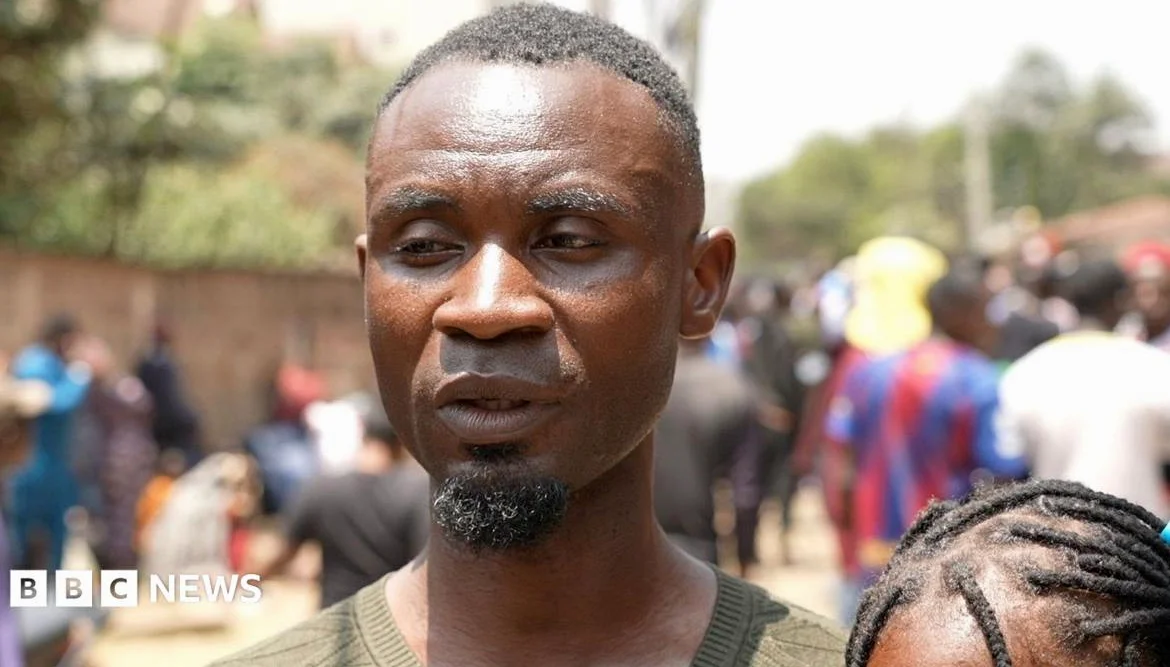
For Ndaikech Ali, who has been traversing the streets of the Kenyan capital eking out a living as a tuk-tuk driver for the past nine years, Nairobi’s traffic – not xenophobia – has been his biggest concern. During his time in the East African nation, the Burundian says he has always found Kenyans to be friendly and welcoming – that is until last week, when the president ordered a security operation on foreigners working as traders or operating small-scale businesses.
President Orders Foreign Traders to Leave
“Now they have turned against us,” he told the BBC at the Burundian embassy in Nairobi where many have been queuing this week for documents to allow them to travel back home. “The threats are many… even from children,” he said, adding: “It’s a like a dog has been set loose upon us. We have been bitten.” President William Ruto made his remarks last week when addressing Kenyan traders gathered at state house – in reference to legislation before parliament that seeks to exclude foreign nationals from petty trade and to mandate the local sourcing of certain materials.
During his speech, he said that all foreign nationals operating small businesses had until 7 September to pack up shop, saying such low-level jobs should be reserved for Kenyans. Ali, like others, panicked, saying it seemed the president’s announcement had been interpreted by some Kenyans as a signal that foreign nationals were no longer welcome in the country.
Harassment and Economic Hardship
“We face harassment and can’t work,” he says; “If our work is stopped, we lose the income that enables us to pay rent and buy food. When those jobs are taken away, the only option left is to return home.” Now he’s gone, who will help me pay school fees” Other Burundians and some other foreign nationals have rushed to border crossing points to leave the country, with reports suggesting that a number have ended up stranded there.
Some couples fear they will be forced to separate – and some families have already been divided; “I have been here from 2019,” said a Burundian man, who identified himself only as Prosper and who has a child with a Kenyan woman. “When I heard the announcement, it was very painful because when I go, I’m forced to leave my family… and I love my family,” he told the BBC.
In Nairobi’s low-income neighbourhood of Majengo, Kenyan Grace Wamaitha said her Burundian husband had already gone – leaving the day after the president’s 3 September directive. She is distraught as she has been left trying to feed their five children – and has taken on extra work washing clothes, as “Now he’s gone, who will help me pay school fees? I don’t know what to do. Let them come back,” she told the BBC.
Regional Migrants and Economic Impact
In Nairobi and other major towns, migrants from the region can be found working in barber shops and salons, construction, operating motorbike taxis and street vending, as well as selling clothes, food and household goods. Some have fled conflicts or economic hardship at home, while others have moved to Kenya in search of better opportunities. Within the East African Community (EAC), a regional bloc made up of eight countries, including Burundi and Kenya, the relative free movement of people is allowed – but employment and long-term residence do require permits.
Kenyan law also recognises the right of refugees to work and operate businesses, although they are also required to obtain the appropriate documentation, but Filmon Eyob, a co-ordinator within Nairobi’s Eritrean community, agrees with concerns that the security operation order will be used as pretext to harass foreigners. He told the BBC that while many Kenyans had been supportive and welcoming, some Eritreans and Ethiopians had closed their businesses and stayed at home over the last week as a precaution.
The president’s remarks also sparked a diplomatic row, with the Burundian foreign affairs minister warning that “hate speech against Burundi” could have repercussions for Kenyans abroad. The authorities in Kenya have struggled to contain the fallout – and as the matter came to a head, Kenyan foreign affairs official Korir Sing’Oei visited and apologised to Burundians at the embassy this week, assuring them of protection from violence.
Critics argue that Ruto’s remarks were a populist move that risked stoking xenophobia, although the government has denied this — Since then, a series of official statements have sought to clarify the directive. The government has now given a 90-day window for undocumented foreign nationals running small business to register and comply with local laws; During the process, those undergoing registration will be presumed to be living legally in Kenya.


Comments
No comments yet
Be the first to share your thoughts