

 BBC
BBC 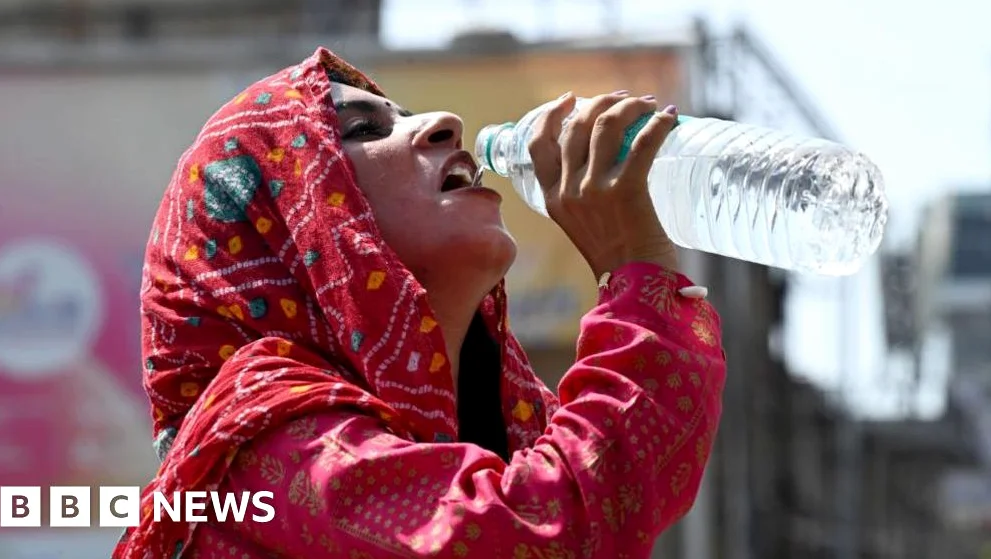
India’s summer has arrived with a vengeance, with temperatures expected to exceed 45 degrees Celsius in parts of the country. This extreme heat. Combined with the ongoing conflict with Iran, is causing growing concerns about the rising cost of essential goods such as bottled water and beer, according to the BBC.
Water Industry Struggles with Rising Costs
The bottled water industry in India is facing significant strain due to the war with Iran, which is impacting the availability of raw materials — Market leader Bisleri recently increased prices by 11%, making a box of 12 one-litre bottles costlier by 24 rupees ($0.26; £0.20). Other brands. Including Bailley and Clear Premium Water, have also raised their prices, as reported by Reuters news agency.
According to a study by Data for India, about 15% of urban households and 6% of rural households rely on bottled water for their drinking needs. This dependence is particularly burdensome for those in rural areas, where access to clean water remains a challenge — the issue is compounded by water shortages, groundwater contamination, and infrastructure gaps, especially during the summer months.
Vijaysinh Dubbal. President of the Maharashtra Bottled Water Manufacturers Association, explained that the main reason bottled water has become more expensive is due to the rising cost of crude oil. The price of a barrel of Brent crude oil briefly hit $119 (£90) earlier this week, close to its highest since the start of the US-Israel war with Iran.
Impact on Plastic Bottle Production
Crude oil is used to produce Polyethylene Terephthalate (PET) resin pellets, which are essential for creating plastic bottles. The cost of these pellets has increased from 115 rupees per kg to around 180 rupees per kg, with a shortage in supply further exacerbating the situation. Dubbal noted that about 20% of bottle manufacturing plants in Maharashtra state have temporarily shut down operations.
While some companies have increased prices, Dubbal says many brands and vendors have absorbed the extra costs so far, shielding consumers. The price of a one-litre bottle of drinking water, which typically sells for about 20 rupees, and a five-litre bottle, which sells for about 60-70 rupees, has largely remained unchanged.
However, Dubbal warns that absorbing these costs is not a sustainable practice for companies, as If the situation worsens, consumers are likely to face higher prices. He added that the strain on supply couldn’t have come at a worse time, as there is a surge in demand for bottled water and non-alcoholic beverages during April and May, which are peak summer months in India.
Beer Industry Also Feels the Heat
The impact of the conflict is also being felt in the beer industry. Last month. The Brewers Association of India. Which represents major global brewers like Heineken and Carlsberg, told Reuters news agency that glass bottle prices have surged around 20%. The association has requested its member companies to approach states for a 12-15% increase in beer prices, as alcohol pricing is regulated differently by various states in India.
Vithob Shet, CEO of Vitrum Glass, a leading manufacturer and marketer of amber glass bottles, said the price rise is due to the fluctuating supply of natural gas. Natural gas is used by glass manufacturers to run their furnaces, which melt raw materials into molten glass blobs that are then shaped into bottles.
India has tightened its natural gas regulations since the war began, prioritising supply for domestic use and some commercial industries. Some companies, like Vitrum Glass, are using oil to make up for the shortage, but the high cost of crude is spiking production costs.
India’s government has stressed that the country’s energy supplies are stable, but several commercial eateries across the country have shut down due to a shortage of cooking gas. The energy supply crunch has also impacted India’s ceramics and fertiliser industries, while the aviation industry is reportedly reeling under sky-rocketing jet fuel prices.
Shet said the situation is serious, adding that essential commodities like water and medicines are serious. Even a slight decline in supply can have major consequences, he warned.






Comments
No comments yet
Be the first to share your thoughts