

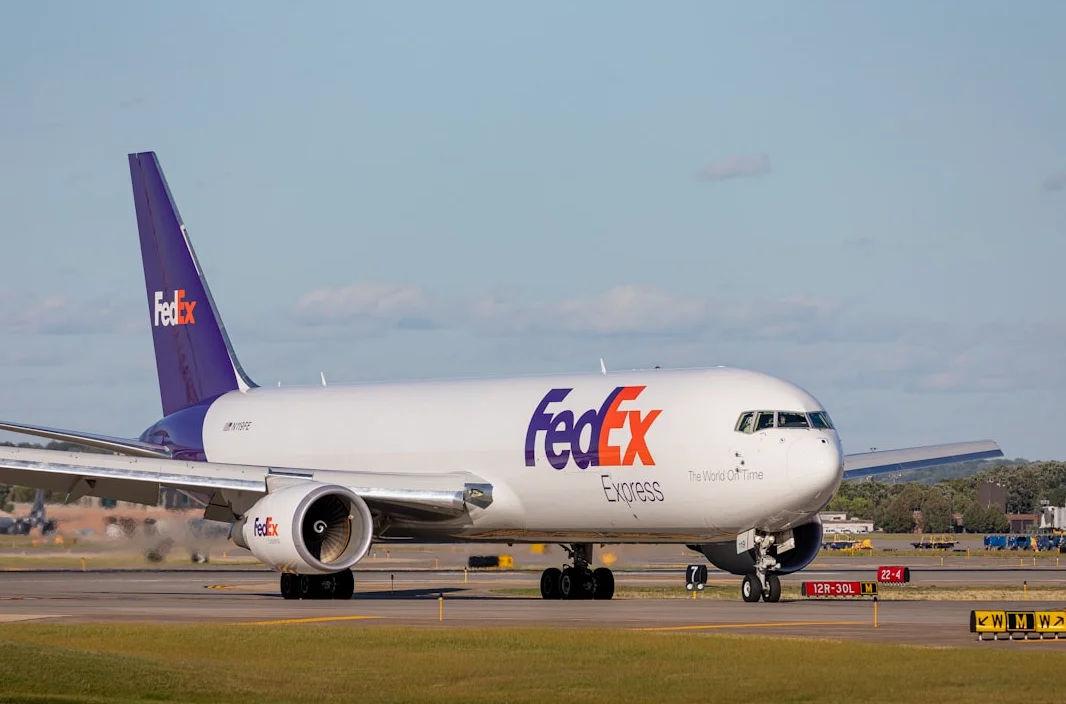
FedEx (FDX) will release its quarterly earnings report on Thursday, with the company’s transportation costs set to be a central topic as the global economy faces mounting pressure from rising oil prices and geopolitical tensions in the Middle East. The shipping giant’s results will come at a time when the conflict between the U.S., Israel, and Iran is disrupting supply chains, increasing fuel costs, and raising concerns about the broader economic outlook.
Impact on Transportation and Retail Sectors
FedEx, a key indicator of the U.S. economy, operates a vast network of delivery services that rely heavily on fuel costs, which have surged due to the recent escalation in oil prices. Analysts from Evercore Transportation noted that the current situation is dominated by the oil market, stating that “It’s all about oil” in their report on Friday. This sentiment reflects the growing awareness among investors that the fluctuation in crude oil prices has a direct impact on the operating costs of logistics and delivery companies like FedEx.
The company has already taken steps to mitigate rising costs, including slashing expenses, streamlining its operations, and challenging tariffs through legal action. However, the recent conflict has introduced new uncertainties, with reports indicating that Iran has targeted cargo ships in the region, potentially disrupting global shipping routes. This has raised concerns about the ripple effects on the retail sector, as companies like Lululemon (LULU) and Macy’s (M) also prepare to report their earnings this week.
According to the Wall Street Journal, the U.S. and Israel’s attacks on Iran have been described by some analysts as the most significant threat to global shipping networks since the pandemic. These disruptions could lead to delays in product deliveries, increased shipping costs, and higher retail prices, all of which could affect consumer spending and overall economic growth.
Challenges Facing Lululemon and Macy’s
Lululemon, the athleisure brand, faces its own set of challenges as it reports earnings on Tuesday. The company has been under scrutiny over its product quality, leadership changes, and its ongoing efforts to turn around its fortunes. After the departure of CEO Calvin McDonald, founder Chip Wilson has taken a more active role in shaping the company’s direction, including proposing three candidates for the board of directors.
Raymond James analysts have expressed skepticism about the company’s turnaround, noting that expectations are low but the visibility on its future remains unclear. “Expectations are low but so is visibility on the turnaround,” the analysts wrote in a recent note. The company’s stock has dropped nearly 49% over the past year, with a recent 11-day losing streak marking its longest decline on record.
Activist investor Elliott Investment Management has reportedly taken a stake of more than $1 billion in Lululemon, suggesting that Jane Nielsen, a former executive at Ralph Lauren, could be a suitable candidate for the CEO role. Raymond James analysts have praised this suggestion, noting that Nielsen’s experience in revitalizing brands like Coach and Ralph Lauren could be beneficial for Lululemon.
Macy’s, which will report its earnings on Wednesday, has seen its market share decline by around 25% since 2012 due to competition from Amazon and other retailers. Analysts at UBS have expressed doubts about the company’s ability to regain its position in the retail market, stating that competitors have significant advantages in terms of pricing, product variety, and customer service.
What Analysts Say About the Outlook
As the week’s earnings reports unfold, the broader economic landscape will be under close scrutiny. Analysts are watching the impact of rising oil prices on transportation costs, which could influence not only FedEx but also the entire supply chain. Evercore Transportation analysts noted that while oil prices and the economy are the primary concerns at the moment, financial metrics like earnings and revenue will become more relevant in the near future.
Meanwhile, the retail sector is grappling with a mix of factors, including higher consumer prices, cautious spending, and the lingering effects of the pandemic. Some on Wall Street had previously anticipated a retail rebound in 2024, citing hopes for lower price increases, more favorable interest rates, and larger tax refunds. However, the current geopolitical tensions and rising oil prices have introduced new uncertainties into this outlook.
Analysts from Ulta Beauty (ULTA) have already expressed concerns about the impact of global conflicts on their operations, noting that the company is “increasingly mindful of rising global conflicts.” This sentiment is likely to spread across the retail sector as companies reassess their supply chains and cost structures in response to the evolving situation.
With FedEx’s earnings report expected to highlight the impact of rising transportation costs, investors and analysts will be closely watching the company’s ability to handle these challenges. The results will not only reflect the performance of one of the largest logistics firms in the U.S. but also provide insights into the broader economic landscape shaped by oil prices and geopolitical tensions.
As the week progresses, the results from Lululemon, Macy’s, and other retailers will offer a more thorough view of how businesses are adapting to the current economic climate. The coming days will be crucial for understanding the trajectory of the retail sector and the broader implications of the ongoing conflict in the Middle East.






Comments
No comments yet
Be the first to share your thoughts