

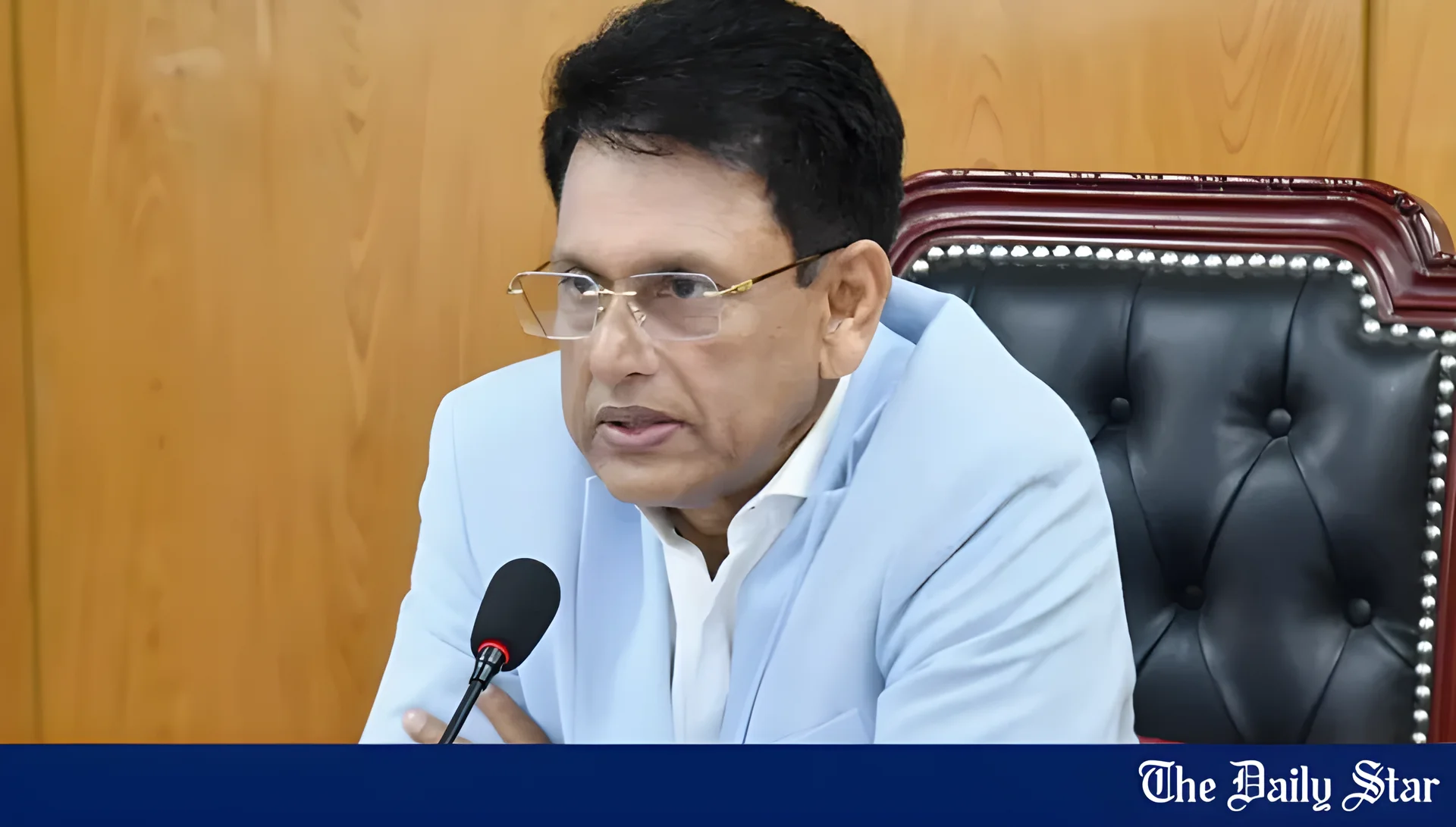
Bangladesh’s government has launched five major projects aimed at improving the primary education system, as revealed by Primary and Mass Education Minister M Ehsanul Hoque Milon during a parliamentary session. The initiatives, spanning a wide range of activities from school upgrades to pre-primary programs and out-of-school learning opportunities, are designed to strengthen the foundation of education across the country.
Key Projects and Their Implementation
The Fourth Primary Education Development Programme (PEDP-4), which started in July 2018 and is scheduled to run until June 2026, is one of the primary projects. This initiative focuses on modernizing the primary education infrastructure and improving the quality of teaching. According to the minister, the program is expected to impact a significant number of schools and students across the nation.
Another project, the Demand-Based Government Primary School Development Project (First Phase), has been in progress since July 2016 and is set to conclude in 2026. This initiative aims to meet the growing demand for primary education by constructing and upgrading government schools. The project has already seen the development of several new schools in underserved areas.
Additionally, the government is working on a project to establish and upgrade government primary schools, with a focus on beautification initiatives in the Dhaka Metropolitan Area and Purbachal. This project began in January 2020 and is expected to be completed by June 2027. The initiative not only aims to improve the physical infrastructure of schools but also to create a more conducive learning environment for students.
Regional Focus and Specific Initiatives
A specific initiative, titled ‘Pre-primary and Primary Education Development Project in Cox’s Bazar and Bandarban districts and Bhasan Char in Noakhali,’ is being implemented from July 2024 to June 2027. This project targets the development of pre-primary education in these regions, which have historically faced challenges in accessing quality early childhood education.
Another key project is the school feeding program, which is currently underway in government primary schools across 150 upazilas. The initiative, which started in January 2025 and will run until December 2027, aims to provide nutritious meals to students, thereby improving their health and attendance rates. This program is expected to benefit a large number of children, particularly those from low-income families.
The Bureau of Non-Formal Education is also implementing a ‘Functional Literacy and Practical Skills Training (Pre-vocational Level)’ course in 58 districts. This initiative is designed to equip students with essential skills that can help them transition into the workforce after completing their primary education.
Out-of-School Children and Alternative Learning Opportunities
Recognizing the need to address the issue of out-of-school children, the government has approved an initiative titled ‘Alternative Learning Opportunity for Out-of-School Children (ALO)’ to be implemented in one upazila in each of the country’s 64 districts. The project, which was approved at an ECNEC meeting on January 25, 2026, is set to run from January 2026 to December 2028. This initiative aims to provide alternative learning opportunities for children who have not had access to formal education.
The minister emphasized the importance of these projects in improving the overall education system. He noted that the government is committed to ensuring that all children have access to quality education, regardless of their geographic location or socioeconomic status. ‘These projects are part of our broader strategy to achieve universal primary education and reduce the dropout rate,’ Milon stated.
The impact of these initiatives is expected to be significant. With the implementation of these projects, the government hopes to improve the quality of primary education, reduce the number of out-of-school children, and ensure that students receive the necessary support to succeed academically.
Experts have welcomed the government’s efforts but have also highlighted the need for continued investment in education. According to a recent report, the current enrollment rate in primary education is around 95%, but the dropout rate remains a concern, particularly in rural areas. The new projects are expected to address these challenges and contribute to the long-term development of the country.
The government’s focus on improving primary education is not only crucial for the development of individual students but also for the overall economic growth of the country. A well-educated population is essential for building a strong and competitive economy. The success of these projects will depend on the effective implementation and monitoring of the various initiatives.
Looking ahead, the government plans to review the progress of these projects on a regular basis and make necessary adjustments to ensure that they meet their objectives. The next few years will be critical in determining the long-term impact of these initiatives on the education system in Bangladesh.


Comments
No comments yet
Be the first to share your thoughts