

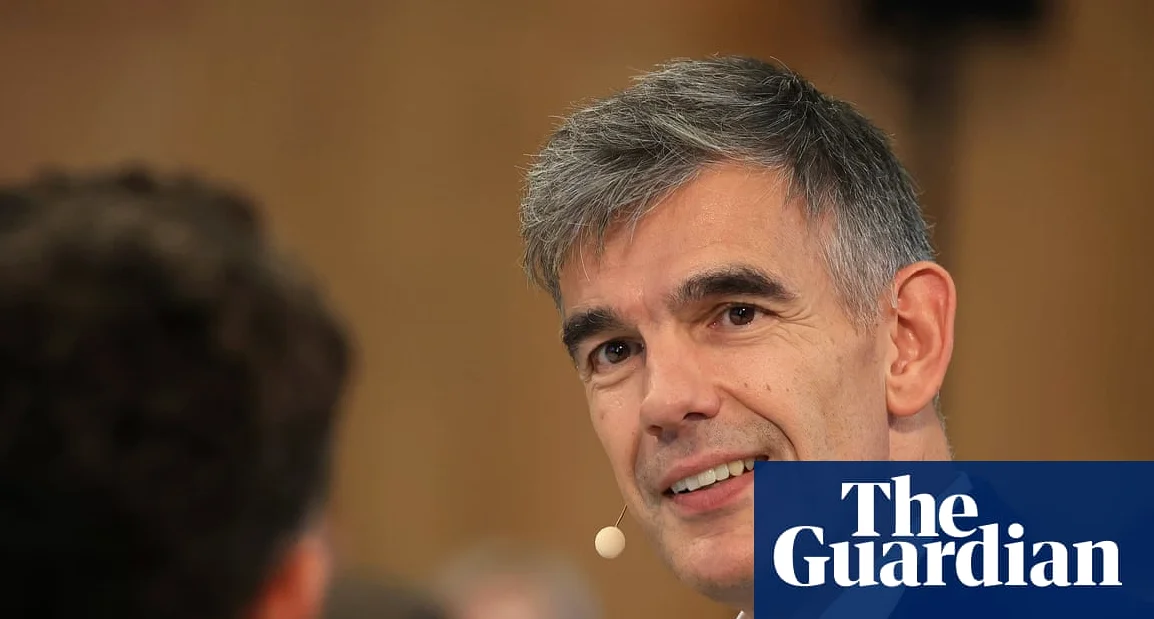
Former Google executive Matt Brittin has been selected as the next director general of the BBC, a decision that marks a significant shift in the leadership of the UK’s public broadcasting service. The announcement comes amid growing scrutiny over the BBC’s role in the digital age and its ability to maintain public trust amid increasing competition from global media giants.
Background on Brittin’s Career and Selection
Matt Brittin. Who previously served as the head of Google’s operations in the UK and Ireland, brings a wealth of experience in digital strategy and global business leadership to the role. According to The Guardian. Brittin was chosen from a shortlist of candidates following a rigorous selection process that included input from the BBC’s board of trustees, the government, and external advisory groups.
Brittin’s tenure at Google spanned over a decade, during which he oversaw the company’s expansion in Europe and managed key partnerships with governments and regulatory bodies. His selection has been seen by some as an effort to modernize the BBC and align its operations with the fast-evolving digital landscape. “We need a director general who understands the challenges of the digital age and can lead the BBC into the future,” said one anonymous BBC board member, according to The Guardian.
The Week reported that Brittin’s appointment is expected to be formally announced by the end of the month, following a final review of the BBC’s governance framework. The board has emphasized the need for a leader who can balance the BBC’s traditional role as a public service broadcaster with its growing digital presence.
Public Reaction and Political Implications
The announcement has sparked a mix of reactions from across the UK. Some media analysts have praised the choice, noting that Brittin’s background in the tech sector could help the BBC better handle the challenges of digital transformation and content delivery. “Matt Brittin has the experience to lead the BBC through a period of significant change,” said one commentator in The Week.
However, others have expressed concerns about the potential influence of corporate interests on public broadcasting. “There is a risk that the BBC may become too aligned with the priorities of private tech companies rather than the public interest,” warned a spokesperson for a UK media watchdog group, as reported in The Guardian.
Politically, the move has been met with cautious approval from both major parties. The Conservative government has highlighted Brittin’s experience in managing large-scale digital operations, while Labour has called for assurances that the BBC’s independence will not be compromised. “We must ensure that the BBC remains a trusted and impartial source of news and information,” said a Labour spokesperson.
Challenges Ahead for the BBC
Brittin’s appointment comes at a time of intense scrutiny for the BBC; In recent months, the organization has faced criticism over its handling of controversies, including issues related to diversity, content accuracy, and financial transparency. The BBC’s budget. Which is funded by the UK public through the television license fee, has also been a subject of debate, with calls for reform and potential cost reductions.
According to The Week. Brittin will be tasked with addressing these challenges while also expanding the BBC’s global reach — this includes investing in international news coverage and strengthening partnerships with other public broadcasters around the world. “The BBC must continue to be a global leader in journalism and public service broadcasting,” said Brittin in a statement released by the BBC.
One of the key priorities for Brittin will be to ensure that the BBC remains financially sustainable while maintaining its high standards of journalism — this includes exploring new revenue streams, such as digital subscriptions and targeted advertising, without compromising the organization’s public service mission.
International Perspectives on the Appointment
The selection of Brittin has also drawn attention from international media and broadcasting organizations. In France. Public broadcasters have expressed interest in learning from the BBC’s digital strategies, while in Germany, officials have called for greater collaboration between European public media outlets. “The BBC has a unique role in the global media landscape, and we hope to see continued cooperation,” said a German media official, according to a report in The Week.
In the United States, media analysts have noted that Brittin’s background in the tech industry could provide insights into the challenges faced by American public broadcasters, such as PBS and NPR. “There are important lessons to be learned from the BBC’s approach to digital transformation,” said a US media consultant, as reported in The Guardian.
Meanwhile, in India, where the BBC has a significant presence, some analysts have raised concerns about the potential impact of Brittin’s leadership on the organization’s coverage of global events. “The BBC’s reputation for impartiality is key, and we hope that this leadership change will not affect its credibility in India,” said an Indian media expert.
What’s Next for the BBC and Brittin
Brittin is expected to take up his role as director general in early 2025, following a transition period that will include meetings with key parties, including the BBC’s board of trustees, senior executives, and external advisory groups. During this time, Brittin will outline his vision for the BBC’s future and begin implementing key reforms.
The BBC’s new leadership will also need to address the growing pressure from the UK government to ensure that the organization remains fiscally responsible. This includes a review of the BBC’s budget and a reassessment of its long-term financial sustainability. “We are committed to ensuring that the BBC continues to serve the public interest while being fiscally responsible,” said a government spokesperson.
As the BBC moves forward under Brittin’s leadership, the organization will face the challenge of maintaining its independence while adapting to the rapidly changing media environment. The success of Brittin’s tenure will depend on his ability to balance these competing priorities and ensure that the BBC remains a trusted source of news and information for the UK and the world.





Comments
No comments yet
Be the first to share your thoughts