

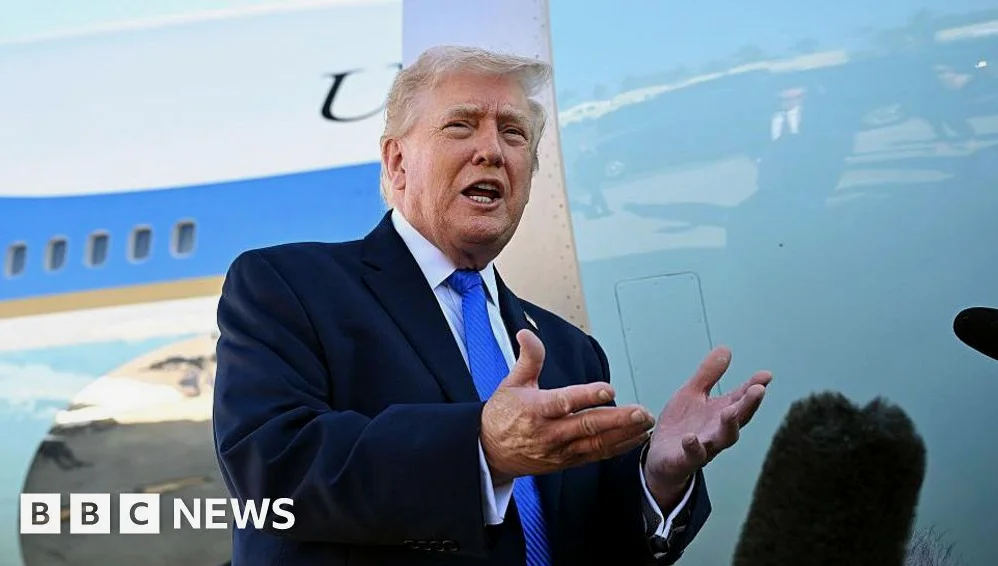
U.S. President Donald Trump has confirmed a meeting with Chinese President Xi Jinping on May 14 and 15, postponed due to the ongoing conflict with Iran, according to multiple reports. The meeting. Originally scheduled for earlier in the year, has been delayed amid escalating tensions between the U.S. and Iran, which have led to attacks across the Middle East and the Gulf region.
Meeting Rescheduled Due to Regional Conflict
The White House announced the rescheduling of the summit, stating that the meeting would now take place in China, according to Al Jazeera. The delay comes as the U.S.-led coalition continues its military operations against Iran, with attacks reported in Iran, Lebanon, and surrounding areas. The White House did not specify the exact location of the meeting but confirmed it would be held in China.
According to BBC. Trump has made remarks suggesting that if Iran were to engage in talks, their people would turn against them. He stated. ‘If Iran admits to talks. They’ll be killed by their own people.’ These comments were made amid ongoing attacks on Iran and Lebanon, as well as reports of casualties in Abu Dhabi, where two people were killed by debris from an explosion.
Japanese news outlet Yahoo! News reported that the White House confirmed Trump’s visit to China for the summit, citing BBC News. The report noted that the meeting had been delayed due to the ‘Iran war,’ a term used to describe the ongoing military and political conflict in the region.
Regional Security Concerns and GCC Meeting
Al Jazeera reported that the Gulf Cooperation Council (GCC) will hold a meeting in Riyadh to address the ongoing attacks across the region. The meeting is seen as a critical step in forming a new regional security architecture amid the crisis, but GCC officials are expected to discuss strategies to counter the escalating conflict and ensure the safety of Gulf states.
The GCC meeting comes at a time of heightened security concerns, with attacks reported in multiple locations. In central Israel. More property damage and injuries were reported after a missile attack, according to Al Jazeera. The situation has prompted calls for increased cooperation among regional allies to address the growing threat.
Meanwhile, the BBC reported that two people were killed in Abu Dhabi due to debris from an explosion, adding to the growing list of casualties in the region. The incident has raised concerns about the stability of the Gulf region and the potential for further escalation of the conflict.
Local Reactions and Impact
Local reactions to the meeting and the ongoing conflict have been mixed. In Japan, where Yahoo! News reported on the situation. Analysts noted the significance of the U.S.-China meeting in the broader context of global power dynamics. The report emphasized that the meeting could have far-reaching implications for trade and security policies in the Asia-Pacific region.
In the Gulf, public sentiment is divided. Some citizens have expressed support for the GCC’s efforts to coordinate a response to the attacks, while others have raised concerns about the potential for increased military involvement. According to Al Jazeera. The meeting in Riyadh is expected to bring together leaders from across the region to discuss a unified approach to the crisis.
In Israel, where missile attacks have caused significant damage and injuries, the government has called for a stronger response to the ongoing conflict. The Israeli military has increased its presence in border regions, and officials have warned of potential further attacks from Iran-aligned groups.
Implications for International Relations
The rescheduling of the U.S.-China summit has raised questions about the broader implications for international relations. With the U.S. and China being the world’s two largest economies, their diplomatic interactions are critical to global stability. The meeting could potentially address issues related to trade, security, and regional conflicts.
According to the BBC, Trump’s comments about Iran suggest a hardline approach to the conflict, which could further strain relations between the U.S. and Iran. However, the meeting with Xi Jinping may provide an opportunity for dialogue on issues that affect both countries, including regional security and economic cooperation.
The White House has not provided details on the agenda for the summit, but it is expected to include discussions on the situation in the Middle East, trade relations, and global governance. The meeting will be closely watched by analysts and world leaders, as it could signal a shift in U.S.-China relations amid the ongoing crisis.
The upcoming meeting between Trump and Xi Jinping is expected to be a key moment in U.S.-China relations. The rescheduling of the summit highlights the importance of the meeting in the context of the ongoing conflict with Iran. Analysts are closely monitoring the discussions to see if they will lead to any significant policy changes or agreements.
In the Gulf, the GCC meeting in Riyadh will be a key event in the coming weeks. The outcome of the meeting could influence the region’s response to the ongoing attacks and determine the level of cooperation among Gulf states. The situation remains fluid, and the next steps will depend on the decisions made by regional leaders.
The conflict in the Middle East is likely to continue to have a ripple effect on global politics and economics. The U.S., China, and other major powers will need to handle the complex web of alliances and rivalries that define the region. The upcoming meetings between Trump and Xi Jinping, as well as the GCC leaders, will be critical in shaping the future of international relations.



Comments
No comments yet
Be the first to share your thoughts