

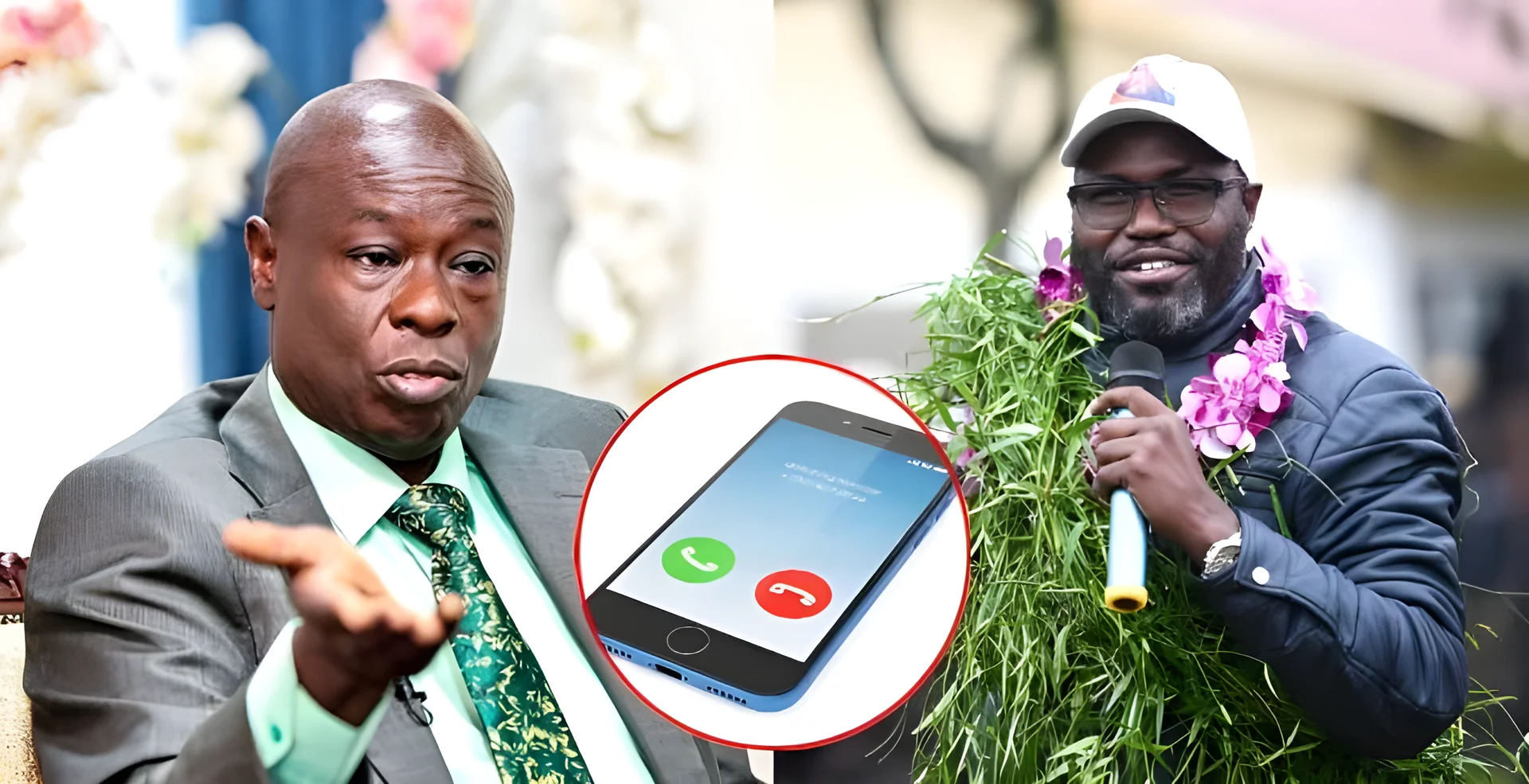
Rigathi Gachagua, leader of the Democracy of the Citizens Party (DCP) and former Deputy President, has detailed what he claims was a late-night conversation with the late Emurua Dikirr MP Johana Ng’eno, in which Ng’eno allegedly received threats from President William Ruto to sign his impeachment motion.
Threats and Emotional Appeal
Gachagua made the claims during a church service in Nyandarua County on March 1, stating that Ng’eno arrived at his residence at 2 a.m., visibly shaken and carrying messages from Ruto. According to Gachagua, the messages contained warnings that Ng’eno would face ‘dire consequences’ if he refused to support the impeachment.
‘He came to see me and showed me messages that William Ruto had sent him, threatening him that if he didn’t impeach me, he would face dire consequences, and he was crying. He came at 2 a.m. in the morning,’ Gachagua said during the service.
Gachagua claimed he advised Ng’eno to sign the motion, arguing that Ruto had already secured the necessary support. ‘I listened to him, and I told him Ruto has the numbers; he has bought everybody, even if you don’t sign that impeachment, it will change nothing. Instead of endangering you and your life, and your family, just go ahead and sign,’ he said.
Impeachment and Removal
Ng’eno, according to Gachagua, signed the motion in tears. He was one of 281 National Assembly members who voted to impeach Gachagua on October 8, 2024. The Senate later found Gachagua guilty on five counts, including gross violation of the Constitution, corruption, and insubordination, and formally removed him from office on October 17, 2024.
Gachagua also alleged that Ruto’s government went as far as bugging his hotel room in Kisumu when Ng’eno visited, with the National Intelligence Service (NIS) allegedly recording their conversation and reporting back to the President.
Gachagua said Ng’eno had traveled to Kisumu to warn him about a plan to oust him from the deputy presidency, claiming the scheme would destabilize Ruto’s government. He also mentioned that Nyari MP Muhammad Ali faced similar intimidation, sharing messages Ruto allegedly sent from the United States threatening him over the impeachment.
Final Contact and Tragic Death
Gachagua said he and Ng’eno remained in close contact even after the impeachment, speaking as recently as last Sunday. Ng’eno had encouraged Gachagua to visit Bomet, according to the former deputy president.
Ng’eno died on February 28 when a private helicopter, registration 5Y-DSB, crashed in the Chepkieb area of Mosop, Nandi County, at around 4:45 PM, killing all six people on board. The crash has raised questions about the circumstances surrounding Ng’eno’s death, particularly given the allegations of intimidation and surveillance.
Gachagua has called for thorough investigations into the crash, stating that no national body should investigate the incident, but instead international bodies like the Federal Bureau of Investigation (FBI) and other relevant international organizations should be involved.
The claims by Gachagua have significant implications for the political landscape in Kenya, particularly regarding the integrity of the impeachment process and the role of the executive in influencing legislative decisions. The allegations also raise concerns about the safety of lawmakers and the potential for political intimidation.
These events are not isolated, as similar claims of political pressure and intimidation have been made in the past, particularly during previous impeachment processes. The current situation, however, has taken on new urgency given the recent death of Ng’eno and the involvement of high-profile political figures.
As the investigation into Ng’eno’s death continues, the political and legal implications of Gachagua’s claims will likely remain under scrutiny. The involvement of international bodies in the crash investigation has also sparked debate about the appropriate level of oversight in such sensitive cases.





Comments
No comments yet
Be the first to share your thoughts