

 Al Jazeera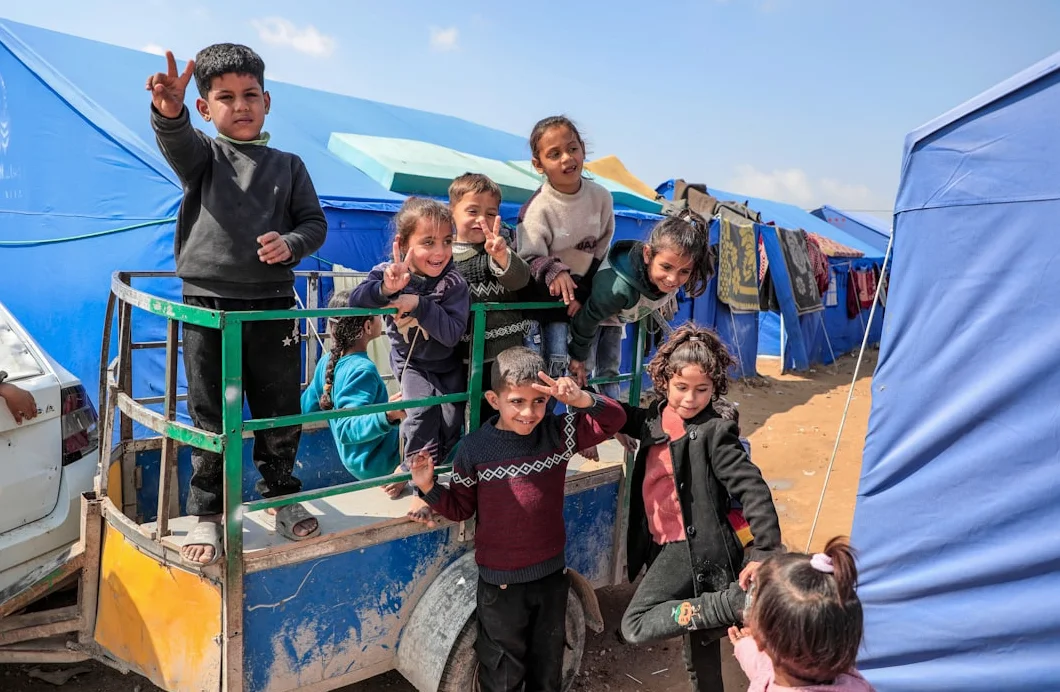
In a displacement camp in Gaza. A group of children recently reenacted a funeral procession as part of their play, according to a video shared by a Palestinian content creator. The footage. Which was published on March 31. 2026, shows the children carefully lifting a doll on a stretcher, mimicking the solemn act of carrying a deceased loved one.
Impact on Children’s Mental Health
The video has raised alarm among child psychologists and humanitarian organizations, who warn of the profound psychological toll on children living in conflict zones. According to the United Nations Children’s Fund (UNICEF), nearly 1.5 million children in Gaza are currently living in displacement camps, many of whom have experienced trauma from violence and loss.
Dr. Lina Al-Khatib. A child psychologist based in Gaza. Said that such reenactments are not uncommon among children exposed to prolonged conflict. ‘Children often process their fears and experiences through play,’ she explained. ‘In this case, they are using a funeral procession to make sense of the loss and uncertainty around them.’.
Humanitarian workers in Gaza have reported a significant increase in cases of anxiety and depression among children since the beginning of the current conflict, which has been ongoing since 2023. The psychological impact is compounded by the lack of access to mental health resources, with only 144 mental health professionals serving over 2 million people in the region.
Context of the Conflict and Displacement
The current situation in Gaza is the result of years of political instability and recurring conflicts, while the 2023 escalation, which saw intense fighting between Israeli and Palestinian forces, led to widespread destruction and displacement. According to the United Nations. More than 1.4 million people have been displaced since the beginning of the conflict, with many living in overcrowded camps.
Gaza has been under a severe humanitarian crisis for years, with limited access to clean water, electricity, and medical care; the situation worsened in 2024 when a blockade was imposed, restricting the movement of goods and people. This has left many families struggling to meet basic needs, with 82% of the population living below the poverty line, according to the World Bank.
The displacement camps, which house thousands of people, are often overcrowded and lack essential infrastructure. Many families are forced to live in makeshift shelters, with children sleeping on the floor or in tents. The psychological impact of such conditions is profound, with children often bearing the brunt of the suffering.
What’s Next for Gaza’s Children
Humanitarian organizations are calling for immediate action to address the growing mental health crisis among children in Gaza. The UNICEF has warned that without intervention, the psychological damage could have long-term consequences for the region’s youth.
Local and international aid groups are working to provide mental health services, but resources remain scarce. According to the World Health Organization, only 10% of the population in Gaza has access to mental health care, a figure that is far below the global average.
There are also calls for increased international support to address the root causes of the conflict. Diplomatic efforts are ongoing, with several countries urging for a ceasefire and a return to peace negotiations. However, the situation remains volatile, with no clear resolution in sight.
As the humanitarian crisis in Gaza continues, the plight of children like those in the video remains a stark reminder of the human cost of war. The reenactment of a funeral during play is not just a disturbing image—it is a reflection of the deep trauma and loss that children in Gaza are experiencing daily.
The video has sparked a global conversation about the need for more support for children in conflict zones. As the situation in Gaza remains dire, the international community is being urged to act before the psychological scars become permanent.






Comments
No comments yet
Be the first to share your thoughts