

 Al Jazeera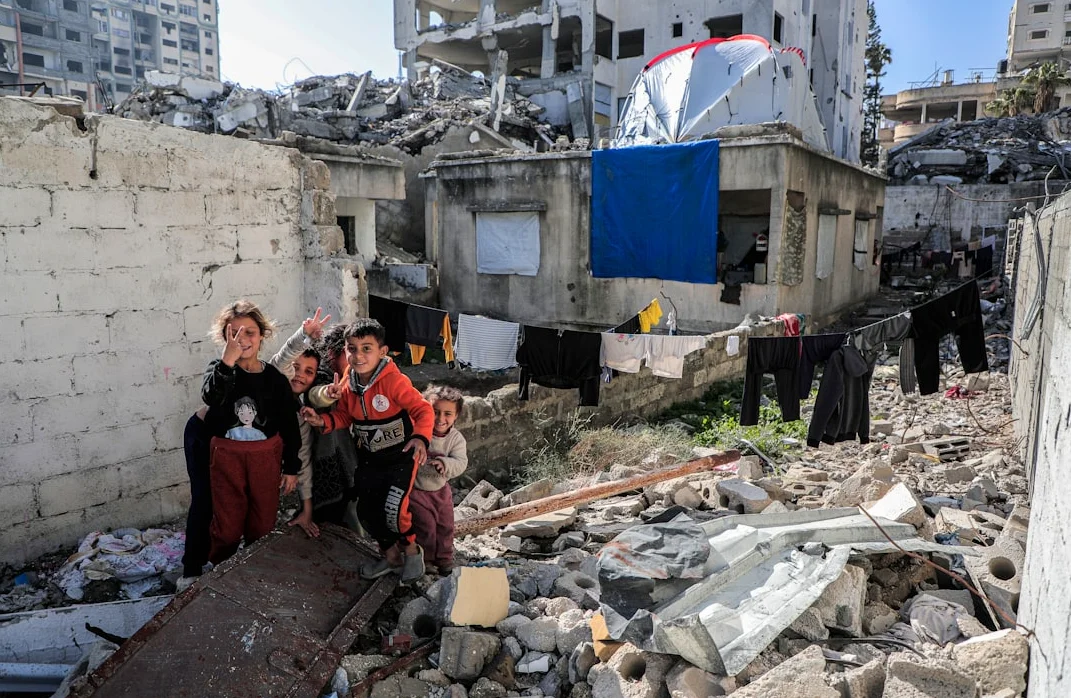
Palestinians cast their ballots in Gaza’s first municipal elections in 21 years, as 70,000 registered voters participated in a symbolic but politically significant event on Saturday. The vote took place in the Deir el-Balah area, one of the few parts of Gaza not fully destroyed by Israeli forces, and marks the first electoral exercise in the besieged enclave in two decades.
Symbolic Nature of the Vote
According to officials. The vote in Deir el-Balah was labeled a “pilot” election, with its significance more political than administrative — the area was chosen because it remains relatively intact, while the rest of Gaza has been heavily damaged by more than two years of war. The election. Held without direct coordination with Israel or Hamas, aims to demonstrate a commitment to local governance amid ongoing conflict.
The Central Elections Commission, based in Ramallah, had to improvise voter registration and logistical arrangements due to the ongoing war and restrictions on movement — the commission’s spokesperson, Fareed Taamallah, stated the goal was to “link the West Bank and Gaza politically as one system.”
Political Setting and Voter Disillusionment
With nearly one million registered voters in the occupied West Bank also casting their votes, the local elections are seen as largely perfunctory, as official policy decisions in occupied areas are typically subject to Israeli approval. The elections come amid deep public disillusionment and a tightly restricted political terrain, with the Palestinian Authority (PA) seeking to project reform and legitimacy amid growing frustration over corruption and political stagnation.
Most electoral lists are backed by President Mahmoud Abbas’s Fatah movement or independent candidates. Hamas, which controls parts of Gaza and won the 2006 parliamentary elections, did not field candidates for the Deir el-Balah vote, though polling from the Palestinian Center for Policy and Survey Research suggests it remains the most popular faction in both Gaza and the West Bank.
Despite the challenges, voter turnout in past local elections has averaged between 50 and 60 percent, according to commission figures; However, turnout has gradually decreased over time, reflecting broader public skepticism about the impact of local elections in the absence of national elections since 2006.
International Observations and Future Challenges
Ramiz Alakbarov. The United Nations deputy special coordinator for the Middle East peace process, called the elections “an important opportunity for Palestine” to reaffirm its democratic institutions, as However, the symbolic nature of the vote highlights the broader challenges faced by Palestinian governance under Israeli occupation.
The Central Elections Commission has faced logistical hurdles, as it was unable to send materials like ballot papers, ballot boxes, or ink into Gaza, though the lack of coordination with key regional actors shows the isolation of Gaza and the difficulties in holding elections in a war-torn environment.
While the elections are a step toward restoring local governance, they do not address the larger political and humanitarian crises in Gaza. With much of the territory devastated and the population displaced, the long-term effectiveness of local councils in improving daily life remains uncertain.
As the vote concludes, the Palestinian Authority and the Central Elections Commission will likely face continued scrutiny over the legitimacy and impact of the exercise. The results may serve as a test of voter engagement in the face of war and political fragmentation, but their broader significance remains to be seen.




Comments
No comments yet
Be the first to share your thoughts