

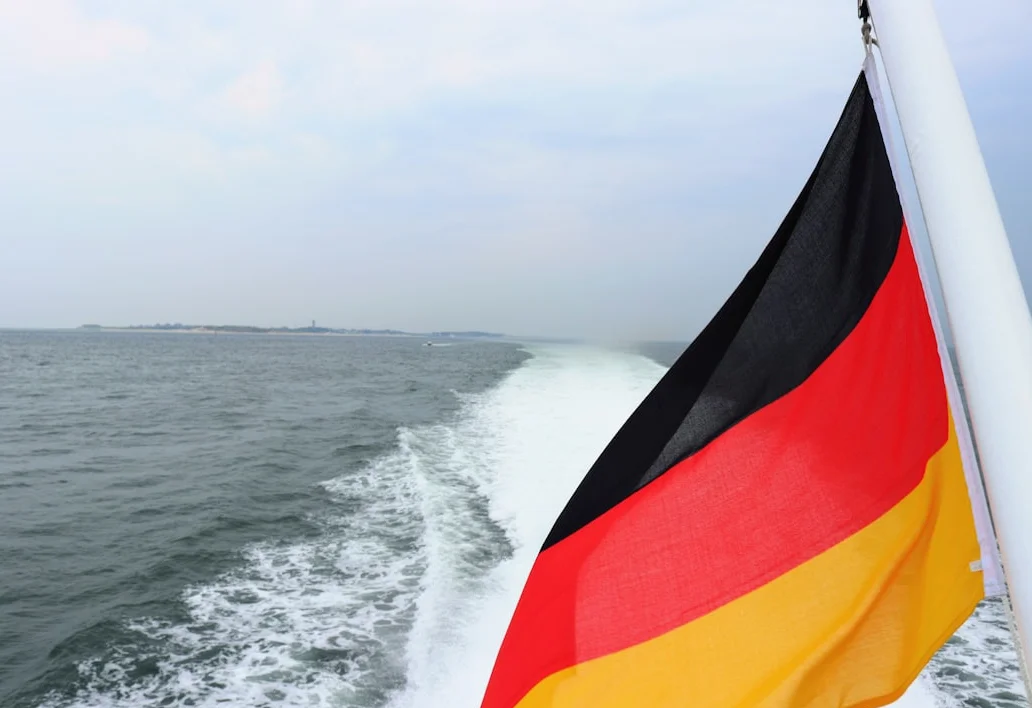
BERLIN — Calls for Germany to develop its own nuclear weapons have intensified at the Munich Security Conference, one year after U.S. Vice President JD Vance warned of Europe’s internal threats. Only France and Britain hold nuclear arms among Western European nations, leaving Germany to grapple with its strategic vulnerabilities.
Bundeswehr Brigadier General Frank Pieper urged quick acquisition of tactical nuclear weapons. Historian Harald Biermann called for urgent discussions on German or European nuclear protection. Even Joschka Fischer, former foreign minister from the anti-nuclear Greens party, now backs a European nuclear option. “Times have changed,” Fischer said.
Germany hosts 10 to 15 U.S. nuclear bombs under NATO’s nuclear-sharing agreement, with its air force ready to deploy them. Yet the country abandoned its own atomic program after the Nazi era and faces binding restrictions from the 1968 Non-Proliferation Treaty and the 1990 Two Plus Four Treaty on reunification.
Chancellor Friedrich Merz addressed the uproar last year by establishing a National Security Council to handle security decisions. He stressed legal barriers prevent Germany from possessing nuclear weapons independently but welcomed strategic debates. “We know we have to make some decisions on strategy and military policy,” Merz said.
The debate ties into broader energy woes. Germany shuttered its last nuclear power plants in April 2023 amid an energy crunch from lost Russian gas supplies. The move left the world’s third-largest economy importing nearly 70% of its energy, including 96% of its liquefied natural gas from the U.S. last year.
Renewables falter during “Dunkelflaute” periods of calm winds and cloud cover, forcing Germany to draw power from neighbors. Sweden’s Energy Minister Ebba Busch joked about checking weather forecasts to predict how much electricity Germany might pull from her grid.
Merz labeled the nuclear phaseout a “bad strategic mistake,” noting insufficient energy capacity. Critics link military nuclear hesitation to civilian nuclear aversion, rooted in Cold War traumas when both East and West Germany hosted foreign nukes.
Legal hurdles block a German bomb, but experts suggest closer ties with French and British programs. Germany could boost conventional forces and energy independence instead. The Munich talks signal a shift from pacifism, driven by Russian aggression and U.S. election uncertainties under President Donald Trump.
Germany’s postwar states relied on NATO or Warsaw Pact orders, stunting independent military choices. The new council aims to fix that, though it has yet to tackle nuclear command issues.
Public skepticism persists, fueled by 1980s protests led by today’s Greens. Yet geopolitical pressures—from Ukraine to potential U.S. pullbacks—force reassessment. A full nuclear pursuit remains distant, but the conversation has escaped taboo.



Comments
No comments yet
Be the first to share your thoughts