

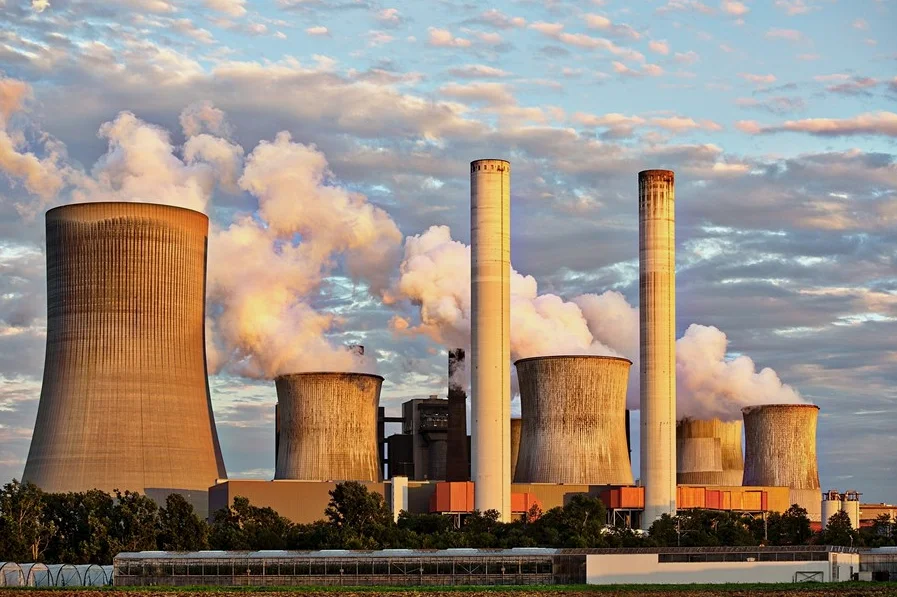
Germany’s power market has grown more dependent on RWE, LEAG and EnBW. The Bundeskartellamt’s annual report shows these firms exceed or approach dominance thresholds. Data covers May 2024 to April 2025.
Coal and nuclear phaseouts slashed flexible supply capacity. Remaining plants now carry heavier loads to meet demand. Prices have climbed as a result.
The cartel office points to Germany’s exit from atomic energy and plans to drop coal by 2038. Temporary reactivation of reserve plants came during the 2022 energy crisis sparked by Russia’s invasion of Ukraine. Berlin shifted back to phaseout mode in early 2024.
RWE and LEAG top the dominance charts. EnBW sits close behind. Market shares spiked after other sources faded.
Imports filled gaps last year. France and other neighbors supplied record volumes. Officials expect this trend to persist without new domestic capacity.
Upcoming power plant tenders could ease concentration. The report states auctions for gas-fired units and hydrogen-ready facilities might add competition. Bids open soon under the government’s energy strategy.
Supply disruptions pose immediate threats. Cold snaps or plant outages could strain the grid. The Bundeskartellamt urges monitoring to protect consumers.
Germany generated 512 terawatt hours in the period studied. Renewables hit 57% of the mix, up from prior years. Wind and solar led gains, but intermittency demands backup from conventional sources.
RWE operates 38 gigawatts of capacity, mostly gas and lignite. LEAG focuses on Lausitz region coal plants. EnBW mixes hydro, gas and biomass.
Regulators track four-firm concentration ratios. The top three now hold over 40% in peak hours, the report says. That’s above safe levels for competition.
Consumer prices rose 15% year-on-year. Industrial users face squeezes, with some shifting production abroad. The cartel office calls for faster grid expansion to integrate more renewables.
Berlin aims for 80% clean power by 2030. That requires 30 gigawatts of firm capacity alongside wind and solar. Tenders target 10 gigawatts initially.
Industry groups welcome scrutiny. VCI, the chemicals federation, says stable supply tops the agenda. Blackouts hit factories during 2022 shortages.
The Bundeskartellamt will review tender outcomes next year. Early signs show strong bidder interest from Uniper and Steag.
Europe watches closely. Germany’s grid links to Scandinavia, the Baltics and beyond. Import dependence ties Berlin’s security to neighbors’ output.
France’s nuclear restart aided flows last winter. But maintenance schedules create volatility. Traders report higher hedging costs across the region.



Comments
No comments yet
Be the first to share your thoughts