

 Al Jazeera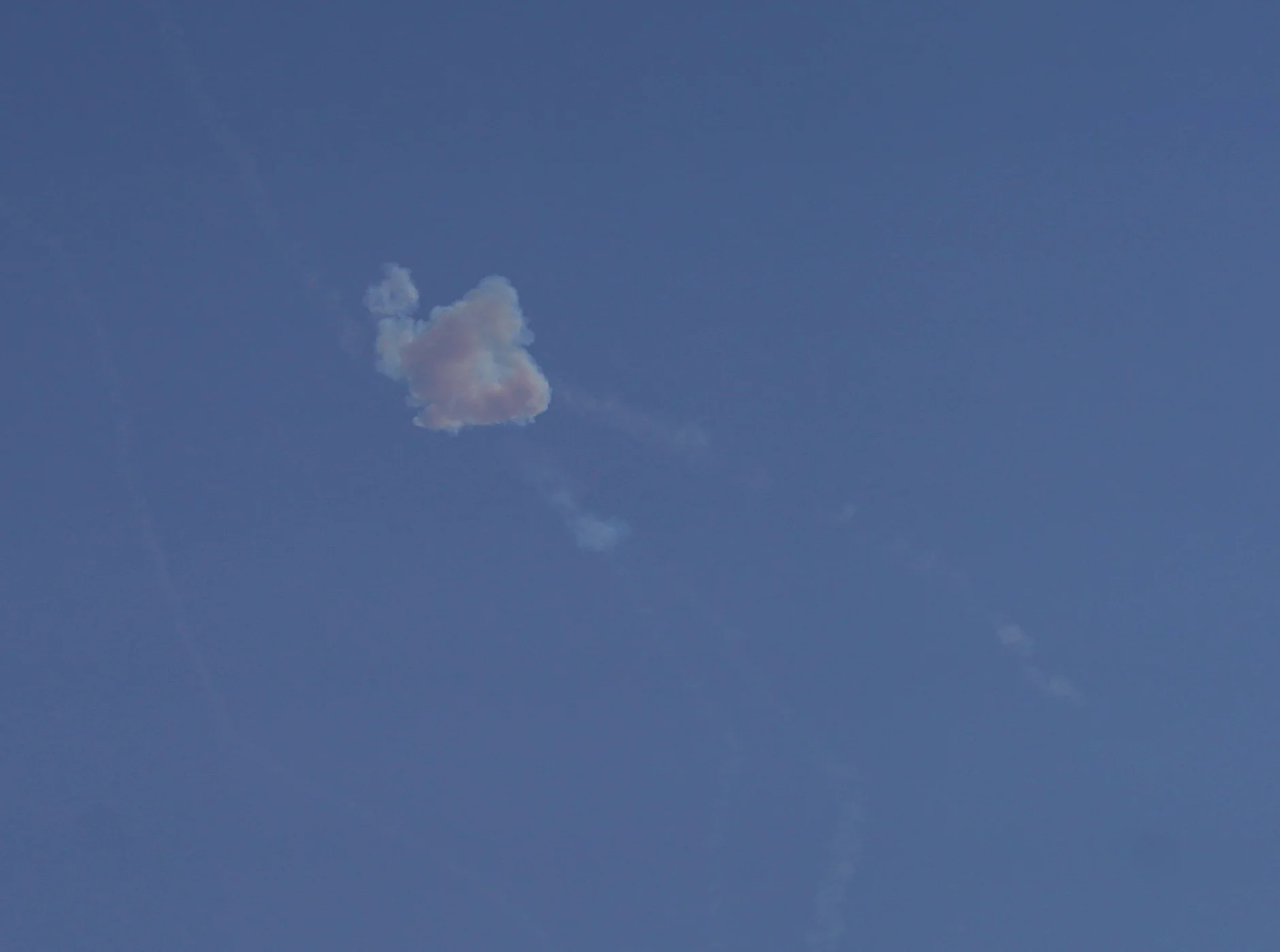
The United States and Israel launched coordinated strikes on Iran on Saturday, triggering a wave of retaliatory missile attacks from Tehran and sparking urgent global calls for de-escalation. The attacks, which targeted multiple sites across Iran, were described by U.S. President Donald Trump as a “major combat operation” aimed at “eliminating threats from the Iranian regime.” The move has drawn sharp criticism from international leaders and institutions, with fears of a wider regional conflict looming.
Escalation and Regional Fallout
The strikes, which hit numerous areas in Tehran and across the country, have been described by a senior Israeli defense official as having been planned for months. Israeli Prime Minister Benjamin Netanyahu stated that the attacks aimed to remove an “existential threat” from Iran and create conditions for the Iranian people to “take their fate into their own hands.” Meanwhile, Iran’s Ministry of Foreign Affairs accused the U.S. and Israel of violating the United Nations Charter and vowed a “harsh response.”
Iran launched retaliatory missile strikes against U.S. military assets hosted in several Gulf states, including Qatar, the United Arab Emirates, Bahrain, and Kuwait. A senior Iranian official told Al Jazeera that “all American and Israeli assets and interests in the Middle East have become a legitimate target.” The attacks have raised concerns about the safety of U.S. troops in the region and the potential for further escalation.
International Calls for Restraint
European Union leaders have expressed deep concern over the conflict. European Commission President Ursula von der Leyen and European Council President Antonio Costa called the situation “greatly concerning” and urged all parties to “exercise maximum restraint, protect civilians, and fully respect international law.”
The International Committee of the Red Cross also weighed in, with its president, Mirjana Spoljaric, warning of a “dangerous chain reaction” of military escalation across the Middle East. She emphasized that “further death and destruction” could be on the horizon if the conflict is not contained.
Oman, the main mediator in ongoing U.S.-Iran nuclear negotiations, expressed dismay at the outbreak of violence. Foreign Minister Badr Albusaidi said the conflict would not serve U.S. interests or global peace and urged Washington to “not get sucked in” further. The country has long played a crucial role in facilitating dialogue between the two sides.
Regional Responses and Concerns
France’s President Emmanuel Macron called for an urgent meeting of the UN Security Council, stating that the conflict carries “serious consequences” for international peace and security. He urged Iran to “engage in good-faith negotiations to end its nuclear and ballistic missile programs” and to stop destabilizing the region.
Qatar’s Ministry of Foreign Affairs condemned Iran for firing missiles at its territory, which is home to the Al Udeid Air Base hosting U.S. troops. The ministry called the attacks a “flagrant violation of Qatar’s national sovereignty” and warned that the country reserves the right to respond under international law.
The United Arab Emirates’ Ministry of Defence strongly condemned Iran’s attacks on its territory, saying that its air defenses had intercepted several missiles. It described the attack as a “dangerous escalation and a cowardly act” and emphasized its right to respond.
Bahrain confirmed that an Iranian missile attack had targeted the headquarters of the U.S. Navy’s 5th Fleet, which it hosts. The country’s Ministry of Foreign Affairs called the attack a “flagrant violation” of international law and warned that further escalation would deepen regional instability.
Saudi Arabia condemned the Iranian attacks on Gulf Arab states and warned of “dire consequences” if the situation continues to deteriorate. Foreign Minister Ishaq Dar called for an immediate halt to escalation and urged the resumption of diplomacy to resolve the crisis peacefully.
Russia’s deputy chairman of the Security Council, Dmitry Medvedev, accused the U.S. of using nuclear talks with Iran as a cover for military operations. Russia’s Ministry of Foreign Affairs urged the international community to provide an “objective assessment” of the situation, which it described as “irresponsible actions” that risk further destabilizing the region.
The Ukrainian Ministry of Foreign Affairs accused Iran of being responsible for the chain of events leading to the conflict, including its crackdown on protests earlier this year. It stated that the “cause of the current events is precisely the violence and impunity of the Iranian regime, in particular the killings and repression of peaceful protesters.”
Norway’s Foreign Minister Espen Barth criticized Israel’s attack on Iran as a violation of international law, stating that “preventive attacks require an immediately imminent threat.” Belgium’s Foreign Minister Maxime Prevot expressed regret that diplomatic efforts had not led to an earlier resolution and warned that the Iranian people should not be made to pay for their government’s choices.
With tensions rising and the potential for further escalation, the world is watching closely as the situation unfolds. The stakes are high, and the path to de-escalation remains uncertain.

Comments
No comments yet
Be the first to share your thoughts