

 The Guardian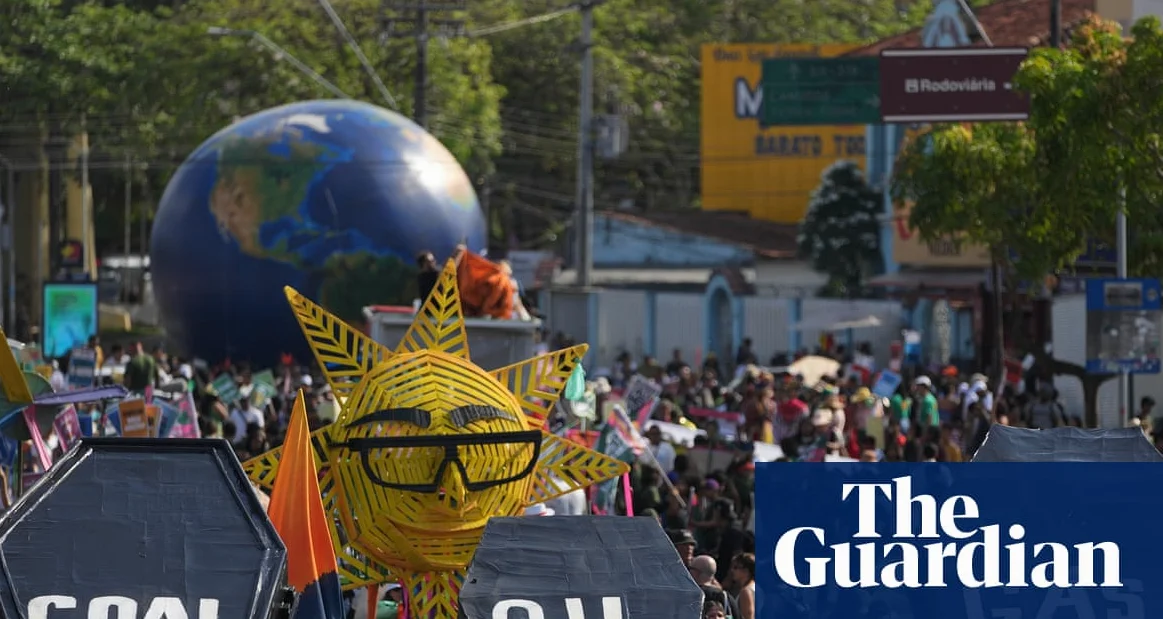
The world’s first Transitioning Away from Fossil Fuels conference, co-hosted by Colombia and the Netherlands, takes place in Santa Marta, Colombia, from 24 to 29 April. A “coalition of the willing” – including 54 countries and various subnational governments, civil society groups and academics – will try to chart a new path to powering the world with low-carbon energy.
Frustration Over Stalled Climate Progress
The conference in Santa Marta marks a direct response to years of frustration at deadlocks in traditional climate negotiations, particularly at the COP summits. Many participants said the stalemates have made it clear that a new approach is needed to accelerate the global transition from fossil fuels to cleaner energy sources.
According to organizers. The event aims to build on the momentum of the 2022 COP27 agreement, which included a commitment to “phase down” unabated coal power and to accelerate the transition from other fossil fuels. However, progress has been slow, and many countries feel the need for a more concrete, actionable plan.
A Coalition of the Willing
The “coalition of the willing” includes 54 countries, with support from subnational governments, civil society, and academics. This coalition represents a growing movement of nations that are willing to take bold steps toward decarbonization, even if larger, more hesitant countries remain stuck in diplomatic limbo.
Participants at the conference include countries like Norway and Costa Rica, which have already made significant strides in reducing their reliance on fossil fuels, but they are joined by representatives from regions most vulnerable to climate change, such as small island nations and parts of Africa. The conference also includes major cities and states that have taken independent climate action, like California and New York City.
“We’re not waiting for the entire world to act first,” said one delegate from a participating country — “We know the science, and we’re ready to lead by example.”
Focus on Actionable Solutions
Unlike traditional COP negotiations, where consensus is often difficult to achieve, the Santa Marta conference is designed to be more action-oriented; the goal is to create a set of shared principles, strategies, and commitments that can be implemented relatively quickly by participating countries and entities.
These strategies include expanding renewable energy infrastructure, investing in energy efficiency, and developing just transition plans for workers and communities that currently depend on fossil fuel industries. The conference also aims to address the issue of climate finance, ensuring that developing nations have the resources they need to shift away from fossil fuels.
“We want to show that it’s possible to make progress even without full global consensus,” said a spokesperson for the organizing committee — “This isn’t a replacement for the COP process, but it is a way to keep moving forward while negotiations continue.”
One of the key outcomes expected from the conference is a declaration outlining the coalition’s shared vision for the future of energy; the declaration will include specific targets for reducing fossil fuel use, increasing the share of renewables in energy mixes, and supporting affected workers and communities.
Participants will also discuss the role of technology in the energy transition, including advancements in solar and wind power, battery storage, and hydrogen fuel; the conference will highlight case studies from countries and regions that have already made significant progress in these areas.




Comments
No comments yet
Be the first to share your thoughts