

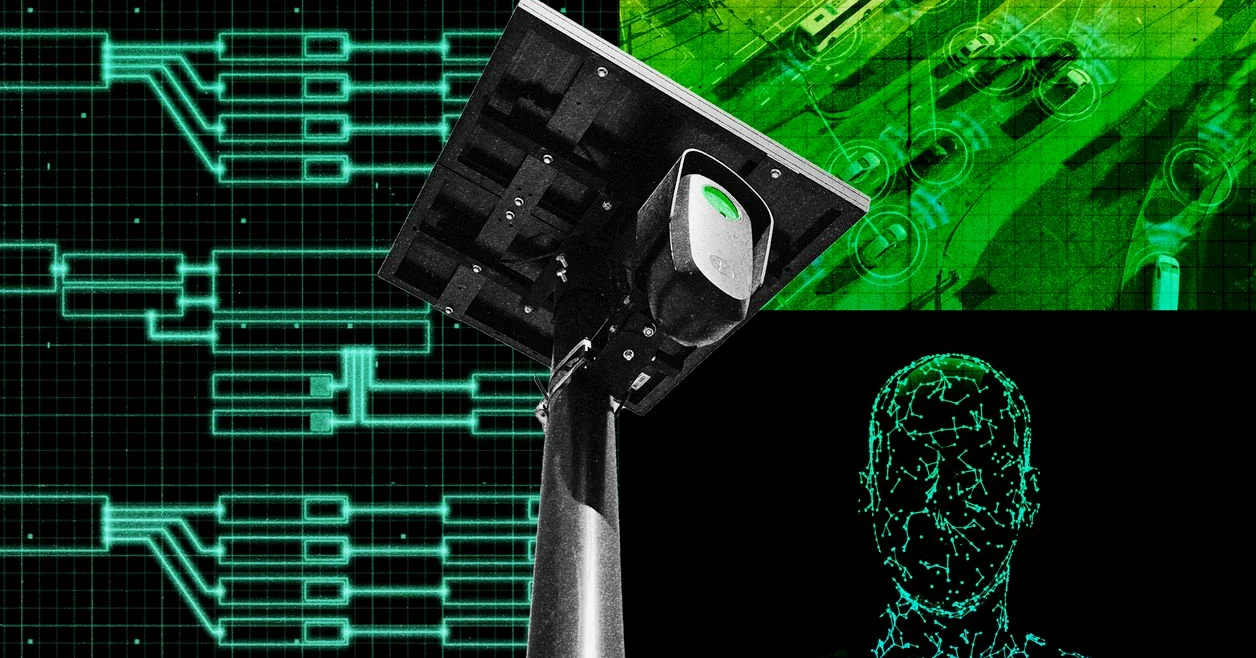
At an intersection in an American city, a man named O’Rourke used a roof rake to block a Flock camera from recording license plates — “I don’t want to pay to be surveilled,” he said. Inspired by a man in Florida who used a pool skimmer, O’Rourke is part of a movement against automated license plate readers; these cameras track vehicles, capturing billions of plates monthly and logging details like car makes, models, and color. The data allows police to monitor where drivers have been over time, including visits to doctors or daycare drop-offs; According to DeFlock, a watchdog group, there are over 130,000 AI-powered automated license plate readers on American streets.
AI-powered tools raise privacy concerns
Flock Safety has developed a powerful new AI tool called OS Investigate, which can analyze camera data alongside police records and commercial databases to generate names, addresses, and relationships from license plate scans. The tool can search for people in an area based on physical descriptions and identify potential witnesses or associates by tracking vehicle movements, though the software includes 69 prewritten prompts for officers to use. A cache of more than 450 files describing the AI’s capabilities was found on Flock’s website; the company says it is testing the product with a small group of law enforcement partners and that it is still in development. This comes as Flock faces bipartisan political pressure and reports of misuse by officers, alongside a wave of vandalism targeting its cameras.
Controversies extend beyond U.S. borders
In Spain, Basque police are investigating a 22-year-old man who managed a sweet shop in Donostia and is accused of sexually assaulting 14 victims aged 10 to 18. The suspect, who has prior similar offenses, was arrested in early July after a victim described the incident. The investigation, led by the Central Criminal Investigation Section (SECIC) of Ertzaintza, expanded to uncover more alleged assaults, with the earliest incident dating back to 2020. All 14 potential victims have been interviewed, and the crimes are described as particularly serious with common execution traits; the investigation remains open to identify other victims and clarify the timeline.
In Germany, a police officer in Frankfurt left his service weapon unsecured in his office after a night shift, and the pistol went missing — the weapon was discovered to be missing on July 24, and the police have since searched the premises without success. The department confirmed the incident but said it could not provide further details due to ongoing investigations; it is unclear whether the weapon was lost or stolen. The police station is in a secured area, and investigators have already looked into who was present during the time. This incident echoes a 2021 case where more than 100 weapons and ammunition were missing from the Frankfurt police headquarters’s evidence room.
Surveillance expansion under scrutiny
Park Police with Flock’s surveillance technology, according to a report in The Atlantic. In the U.S., the Trump administration reportedly plans to equip the U.S. Flock’s cameras have already drawn bipartisan criticism due to concerns about privacy and misuse. The administration has labeled the project a “nonnegotiable White House priority,” with Interior Department funding being redirected to support it. Trump was asked about the concerns and deferred to a future response without addressing specifics. The report highlights the growing tension between law enforcement needs and civil liberties, especially as surveillance tools become more advanced and widespread.






Comments
No comments yet
Be the first to share your thoughts