

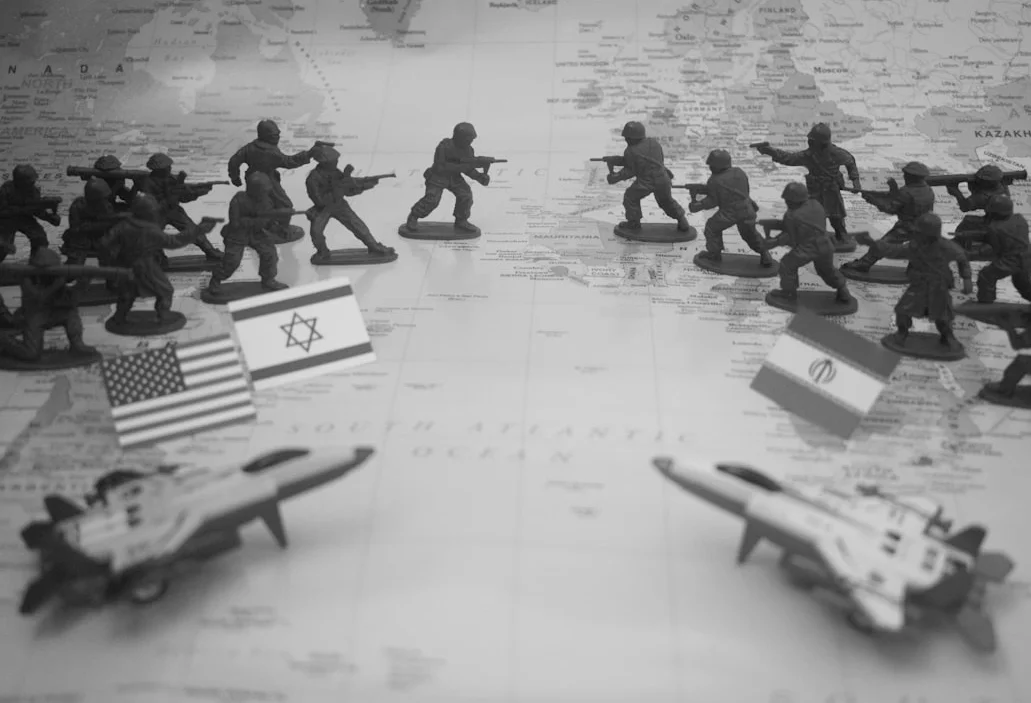
Guns in the streets as US and Israeli forces have intensified their attacks across Iran, with reports of increased military activity and civilian mobilization in response to a month-long campaign of strikes. According to a senior IRGC official in Tehran, children over 12 years old are being allowed to join armed patrols and checkpoints in an effort to support domestic security.
Escalating Military Campaign
According to Al Jazeera. The United States and Israel have been conducting a series of attacks across Iran over the past month, targeting military and infrastructure sites. The attacks have reportedly included drone strikes, missile launches, and ground operations, with some strikes reportedly near the Bushehr Nuclear Power Plant, a critical facility for Iran’s energy and nuclear program.
The Times of Israel reported that on June 15, the Israeli Defense Forces (IDF) conducted an ‘extensive’ wave of strikes on weapons sites across Iran, marking a significant escalation in hostilities. According to the report. The attacks were aimed at disrupting Iran’s military capabilities and sending a strong message to Tehran. A senior Israeli military official stated that the operation was ‘a coordinated effort to weaken Iran’s military infrastructure and deter further aggression.’
Al Jazeera reported that the attacks have caused significant damage to several military installations and have been linked to a series of retaliatory actions by Iran, including the use of drones and ballistic missiles against targets in the Middle East. The conflict has also drawn international attention, with concerns growing over the potential for a broader regional war.
Civilian Mobilization and Security Measures
A senior IRGC official in Tehran told state television that children over 12 years old are now being allowed to participate in armed patrols and checkpoints, a move that has sparked debate within Iran. According to the official. ‘We are mobilizing every available resource to protect our country from external threats — the youth are a vital part of this effort.’
The decision to involve children in military operations has been criticized by some analysts, who argue that it could lead to long-term consequences for the country’s youth. Meanwhile, other reports suggest that the move is a response to the increasing number of attacks and the need for more personnel on the ground.
According to a report by the Times of Israel, the IRGC has also been seen increasing its presence in major cities, with more checkpoints and military units deployed in areas near strategic facilities. The report noted that the security measures have led to increased tensions between the military and local populations, with some residents expressing concerns about the impact on daily life.
International Reactions and Diplomatic Concerns
The intensification of attacks between the US, Israel, and Iran has raised concerns among international actors, with several countries calling for de-escalation. According to reports from the European Union, diplomats have warned that the situation could spiral into a larger conflict if both sides continue to escalate hostilities.
The United Nations has also expressed concern over the rising tensions, with a spokesperson stating that the organization is ‘deeply troubled by the recent escalation of violence and the potential for a broader regional conflict.’ The UN has called for an immediate ceasefire and urged all parties to return to diplomatic negotiations.
In the United States. The Department of Defense has confirmed that the US military is monitoring the situation closely and is prepared to respond to any further attacks. A spokesperson stated. ‘We are committed to protecting our interests and ensuring the security of our allies in the region.’.
Local Impact and Public Response
The attacks and subsequent military mobilization have had a significant impact on local communities in Iran. According to a report by Al Jazeera, several cities have seen an increase in military presence, with more checkpoints and security measures in place. The report noted that the situation has created a sense of fear and uncertainty among the population, with many citizens expressing concerns about the safety of their families.
In Tehran. Local residents have reported increased military activity, including the deployment of troops and the construction of new checkpoints. Some have described the situation as ‘a return to a state of war,’ with daily life being affected by the presence of armed personnel.
According to a report from the Times of Israel, some Iranian citizens have expressed support for the government’s actions, viewing the mobilization as a necessary response to the ongoing threats from the US and Israel. Others, however, have criticized the government for its handling of the situation and have called for greater transparency and accountability.
The situation remains highly volatile, with no immediate signs of de-escalation. According to analysts. The next phase of the conflict could involve further military actions from both sides, with the potential for an expanded war that could draw in other regional powers.
The international community is closely watching the developments, with several countries calling for diplomatic talks to prevent further escalation. The UN has urged all parties to engage in dialogue and to avoid actions that could lead to a broader conflict.
Meanwhile, both the US and Israel have emphasized their commitment to protecting their interests and allies in the region. The situation is expected to remain tense in the coming weeks, with the potential for further military actions and increased security measures across Iran.
Why It Matters
The intensification of attacks between the US, Israel, and Iran has significant implications for regional stability and global security. The involvement of children in military operations and the escalation of hostilities have raised concerns about the long-term consequences for the region. The situation also highlights the growing tensions between major powers and the potential for a broader conflict that could impact global markets and international relations.
As the conflict continues to unfold, the international community is closely monitoring the developments, with many calling for a return to diplomatic negotiations to prevent further escalation. The outcome of the situation will have far-reaching consequences for the region and the world.






Comments
No comments yet
Be the first to share your thoughts