

 CNN
CNN 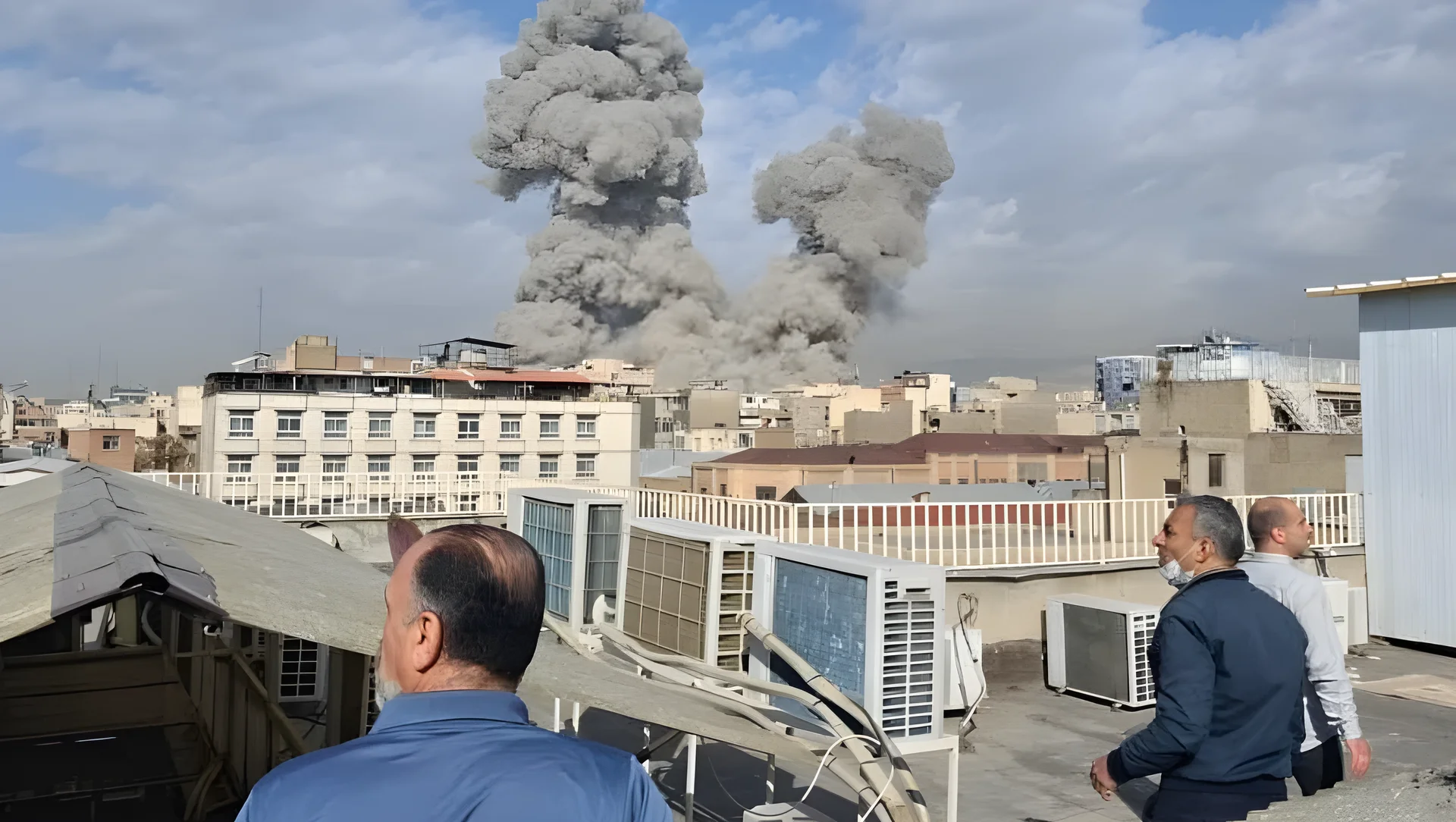
U.S. and Israeli forces have reportedly used a sophisticated intelligence system, including hacked traffic cameras in Tehran, to locate and target Iran’s Supreme Leader, Ayatollah Ali Khamenei, in a major strike that killed him and several top Iranian officials. The operation, described by an Israeli official as an AI-powered ‘target production machine,’ combined data from multiple intelligence sources to pinpoint Khamenei’s location with precision.
Targeting the Supreme Leader
According to an Israeli source familiar with the operation, the system used a combination of visual intelligence, human intelligence, signals intelligence, satellite imagery, and intercepted communications to generate a 14-digit grid coordinate for potential targets. This information was processed by powerful computers to identify high-value targets, including Khamenei.
Israel has long been accused of penetrating Iran’s inner circles, leading to the assassination of several top Iranian nuclear scientists and officials. In a 12-day war with Iran last June, Israeli forces reportedly used similar capabilities to kill Iran’s highest-ranking military officer and a close aide to Khamenei.
The Role of Hacked Cameras
The traffic cameras in Tehran, hacked years ago, provided Israel with real-time data on movement patterns and helped build a detailed map of the city. According to the source, the cameras were part of a larger system that allowed Israel to track and analyze the movements of high-profile individuals within Iran.
The system, developed over the past decade, requires a team of technologists, data analysts, and engineers to validate strike recommendations and fine-tune the processes. This system was once again deployed during the recent U.S.-Israel strike on Saturday, which targeted not only Khamenei but also several top security and military leaders who had replaced those killed in June.
Strategic Timing and U.S. Involvement
Israeli Prime Minister Benjamin Netanyahu, who has long opposed Iran’s nuclear ambitions, believed that negotiations with Iran over its nuclear program were doomed to fail. He met with U.S. President Donald Trump on February 11 for a private discussion that lasted nearly three hours. The conversation, according to reports, focused on what would happen if the talks collapsed, with Netanyahu presenting Trump with new intelligence about Iran’s military capabilities.
On Friday afternoon at 3:38 p.m. Eastern Time, Trump gave the order to proceed with the strike. The message, according to U.S. General Dan Caine, stated: ‘Operation Epic Fury is approved. No aborts. Good luck.’ The operation reportedly relied on U.S. intelligence to locate Khamenei in his compound in Tehran.
According to Caine, the strike was conducted by the Israeli Defense Forces and was enabled by the U.S. Intelligence Community. The attack targeted Khamenei’s compound, which was hit by a series of strikes that reportedly killed the supreme leader and several top Iranian officials.
Within hours, Israeli officials were growing optimistic about the results of the strike, even without confirmation that Khamenei had been killed. That confirmation came early Sunday morning when Iran’s state broadcaster announced: ‘The Supreme Leader of Iran has Reached Martyrdom.’
While the U.S. and Iran had been engaged in negotiations over Tehran’s nuclear program, Netanyahu believed the talks would fail. He had previously lobbied against the previous Iran nuclear agreement, and he made it clear that he would not accept a deal that did not meet his demands. The strike, according to some analysts, represents a significant escalation in the ongoing conflict between Israel and Iran.
The use of hacked traffic cameras and advanced intelligence systems in this operation highlights the growing reliance on technology in modern warfare. As the situation in the Middle East continues to evolve, the implications of this strike could have far-reaching consequences for regional stability and international relations.





Comments
No comments yet
Be the first to share your thoughts