

 The Guardian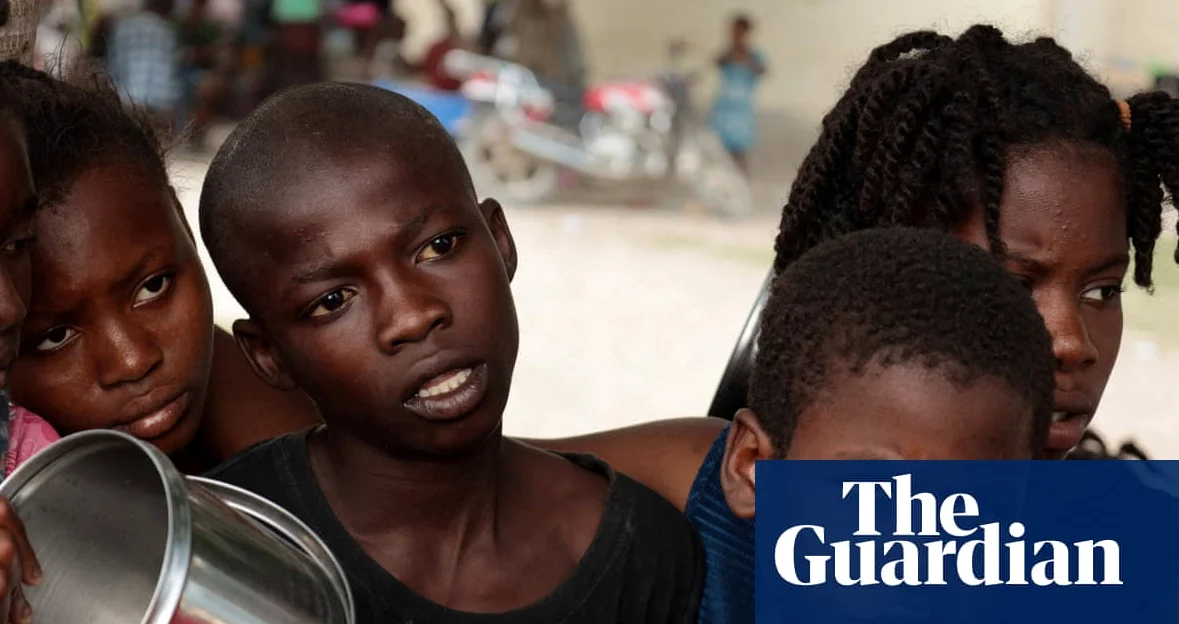
Haiti’s Artibonite region. A vital agricultural hub. Has been thrust into the center of a brutal conflict as at least 70 people were killed in a gang attack, according to a human rights organization. This figure is significantly higher than the initial official reports, which stated 16 deaths and 10 injuries. The Collective Defending Human Rights group confirmed that the attack, which occurred on Sunday, forced nearly 6,000 residents to flee their homes, highlighting the deepening crisis in the country.
The Escalating Violence in Artibonite
The attack took place in the Jean-Denis area of Artibonite around 3 a.m. on Sunday, according to local civil protection authorities, while the region has long been a flashpoint for gang violence, with clashes spilling from the capital, Port-au-Prince, into rural areas. The Gran Grif gang. One of the most active and organized groups in the country, is believed to have carried out the attack. This follows reports that over 2. 000 people were displaced in nearby Verrettes due to previous armed raids, prompting further panic in Petite-Riviere.
The Artibonite region. Often called the country’s breadbasket. Has been hit hard by the ongoing gang conflict — it is a key agricultural area that has seen some of Haiti’s worst violence in recent years. The attack on Sunday reveals the growing instability in the region and the inability of local authorities to control the situation.
A Response from International Bodies
A spokesperson for the UN secretary general condemned the attack on Monday, calling it a stark reminder of the deteriorating security situation in Haiti. The UN has urged for a thorough investigation into the incident, emphasizing the need for accountability and a stronger security response. The spokesperson also highlighted the lack of a coherent strategy to address the growing power of armed groups in the region.
International pressure has mounted on Haitian authorities to take decisive action. The United States, which has designated the Gran Grif and Viv Ansanm groups as terrorist organizations, offered a reward of up to $3 million for information on their financial activities. These groups are believed to represent coalitions of hundreds of gangs operating across the country.
Haitian security forces, supported by a UN-backed international mission and a U.S. private military company, have intensified their operations against gangs that control much of the capital. However, authorities have yet to arrest any of the major gang leaders, despite these efforts. This lack of progress has fueled public frustration and further eroded confidence in the government’s ability to protect its citizens.
The Human Cost of Gang Violence
The death toll from gang-related violence in Haiti has risen dramatically since 2021, with close to 20,000 people reported killed. The number has climbed every year, with the conflict displacing over a million people. This has had a severe impact on food security, as many of those displaced are from rural areas that provide a significant portion of the country’s food supply.
Food insecurity has worsened as agricultural production has declined due to ongoing violence and instability. The situation has been exacerbated by the lack of effective governance and the inability of local authorities to provide basic services. The Collective Defending Human Rights group has warned that the current crisis is a direct result of the government’s failure to act against armed groups.
Residents of Artibonite and surrounding areas have been forced to flee their homes due to the constant threat of violence. The attack on Sunday is just the latest in a series of incidents that have pushed many to the brink. The displacement of nearly 6,000 people in this single incident highlights the scale of the problem and the urgent need for a broad solution.
Officials have been under increasing pressure to address the growing crisis, but the lack of progress has left many Haitians in a state of fear and uncertainty. The situation has raised serious concerns about the long-term stability of the country and the ability of the government to provide security for its people.
The UN and other international bodies have called for a more coordinated approach to combat gang violence. They have emphasized the need for increased support for local security forces and a stronger commitment to addressing the root causes of the conflict. However, without significant changes in policy and strategy, the situation is likely to continue deteriorating.
As the death toll from the gang attack in Artibonite continues to rise, the focus has shifted to understanding the broader implications of this violence. The attack has not only claimed lives but has also disrupted the agricultural sector, which is critical to Haiti’s economy and food security. The long-term impact of this event on the region and the country as a whole remains uncertain, but it is clear that the crisis is far from over.





Comments
No comments yet
Be the first to share your thoughts