

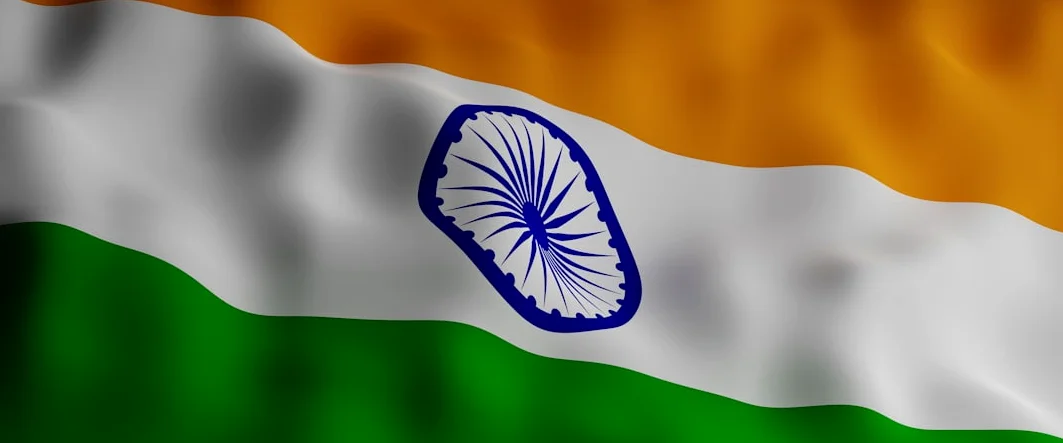
Prime Minister Narendra Modi is set to visit Israel on February 25 and 26, according to news agency PTI, which cited unnamed sources. The visit was first announced by Israeli Prime Minister Benjamin Netanyahu during a speech at the Conference of Presidents of Major American Jewish Organizations on Sunday, raising concerns in India about the timing and transparency of such diplomatic decisions.
Domestic Criticism Over International Announcements
India’s Congress party has expressed strong disapproval of the situation, with General Secretary Jairam Ramesh commenting on social media that India first learned about the termination of Operation Sindoor from the U.S. Secretary of State and about the India-U.S. trade deal from U.S. President Donald Trump. Ramesh noted that India learned of Modi’s visit to Israel from Netanyahu, who has been involved in significant conflict in the region.
According to Ramesh, the Congress party feels that important diplomatic and trade decisions are often shared abroad before being communicated to the Indian public. This includes the recent India-U.S. interim trade deal, which was first announced by Trump on his social media platform, Truth Social.
Netanyahu Hints at Strong India-Israel Ties
During the meeting, Netanyahu emphasized the ‘formidable alliance’ between India and Israel, stating that Modi would be visiting soon. He described India as ‘extremely powerful’ and ‘extremely popular’ and indicated that discussions would focus on expanding cooperation between the two nations.
A source in Jerusalem told PTI that Modi’s visit would likely be brief, lasting only two days, but its impact could be significant given Modi’s global popularity. The specific agenda for the visit is still being finalized, though Modi is expected to address the Israeli Knesset and discuss bilateral and regional issues. This will mark his second visit to Israel, following his historic trip in July 2017.
India’s Stance on Israel-Gaza Conflict
India has consistently supported a ‘two-state solution’ to the Israel-Gaza conflict while maintaining a strategic partnership with Israel. Last year, Modi and Netanyahu held a telephone conversation, reaffirming their commitment to strengthening bilateral relations. During that call, Modi emphasized the progress in the India-Israel strategic partnership and pledged to further strengthen cooperation, including a shared commitment to zero tolerance for terrorism.
India supports all efforts aimed at achieving a just and lasting peace in the region, despite the complex dynamics of its relationship with Israel. Netanyahu’s own plans to visit India have been delayed since 2023, following the October 7 Hamas attacks, which disrupted planned engagements and raised questions about the stability of the region.
The upcoming visit by Modi could further solidify the strategic and economic ties between India and Israel, but it also brings to the forefront the broader geopolitical implications of India’s foreign policy decisions and their domestic reception.





Comments
No comments yet
Be the first to share your thoughts