

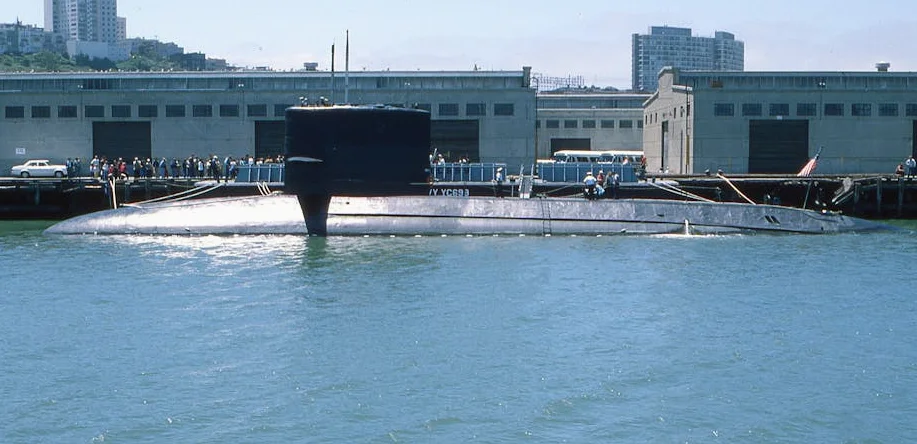
NEW DELHI — India has permitted an Iranian warship to dock at its southern port of Kochi as a humanitarian act, according to Foreign Minister Subrahmanyam Jaishankar, following the US attack that sank an Iranian navy frigate off Sri Lanka. The Lavan, an amphibious landing vessel, arrived in Kochi on Wednesday, the same day the US submarine struck the Iranian frigate Dena in Sri Lanka’s exclusive economic zone.
Humanitarian Gesture Amid Escalating Tensions
Jaisankar made the remarks during the annual Raisina Dialogue event, explaining that the decision to allow the Lavan to dock was based on humanitarian grounds rather than legal considerations. The Lavan and two other Iranian vessels were en route for a fleet review when they were caught in the crossfire of escalating regional tensions.
“I think we really approached it from the point of view of humanity, of other than whatever the legal issues were,” Jaishankar said. “I think we did the right thing.”
The US attack on the Dena, which occurred 19 nautical miles off Sri Lanka’s coast, resulted in the deaths of at least 87 Iranian sailors. The incident has raised concerns about the application of international humanitarian law in the region.
Impact on Regional Relations
India received the docking request for the Lavan on February 28, the day the conflict began, according to an Indian government source. The request was described as urgent, as the vessel had developed technical issues. The 183 crew members of the Lavan have been accommodated at naval facilities in Kochi.
The Dena was en route back from a naval exercise organized by India, according to the exercise’s website and Sri Lankan officials. Sri Lanka’s Foreign Minister Vijitha Herath confirmed that the country is caring for 32 sailors from the Dena under its international treaty obligations.
Sri Lanka’s navy has been involved in rescue operations, recovering bodies and aiding survivors. When asked if Colombo was under pressure from the US not to repatriate the Iranians, Herath did not directly answer, stating that Sri Lanka has followed international law.
Sri Lanka also provided safe haven to a second Iranian warship, the Bushehr, and evacuated its 219 crew members a day after the Dena was torpedoed. The Bushehr was taken to Trincomalee on Sri Lanka’s northeast coast after reporting engine problems.
Legal and Diplomatic Considerations
Sri Lankan President Anura Kumara Dissanayake stated that Colombo would adhere to the Hague Convention, which requires a neutral state to hold combatants of a warring state until hostilities end. A senior administration official said Colombo is in talks with the International Committee of the Red Cross to assist the survivors of the torpedoed ship.
Iranian diplomats in Colombo have requested the repatriation of the remains of 84 sailors killed in the US attack. The official added that international humanitarian law applies to the survivors of the Dena, and the wounded could be repatriated at their request.
The incident has raised questions about the role of neutral countries in conflicts involving naval warfare. The US has not commented publicly on the docking of the Lavan in India or the treatment of the Dena survivors, but the move has been closely watched by regional actors.
India’s decision to allow the Lavan to dock has been seen as a strategic gesture to maintain diplomatic ties with Iran while handling the complex regional dynamics. The incident also highlights the broader geopolitical tensions involving the US, Iran, and regional allies.
As the situation continues to unfold, the response from the international community and the future actions of the involved parties remain under scrutiny. The humanitarian aspects of the incident are expected to be a key focus in upcoming diplomatic discussions.






Comments
No comments yet
Be the first to share your thoughts