

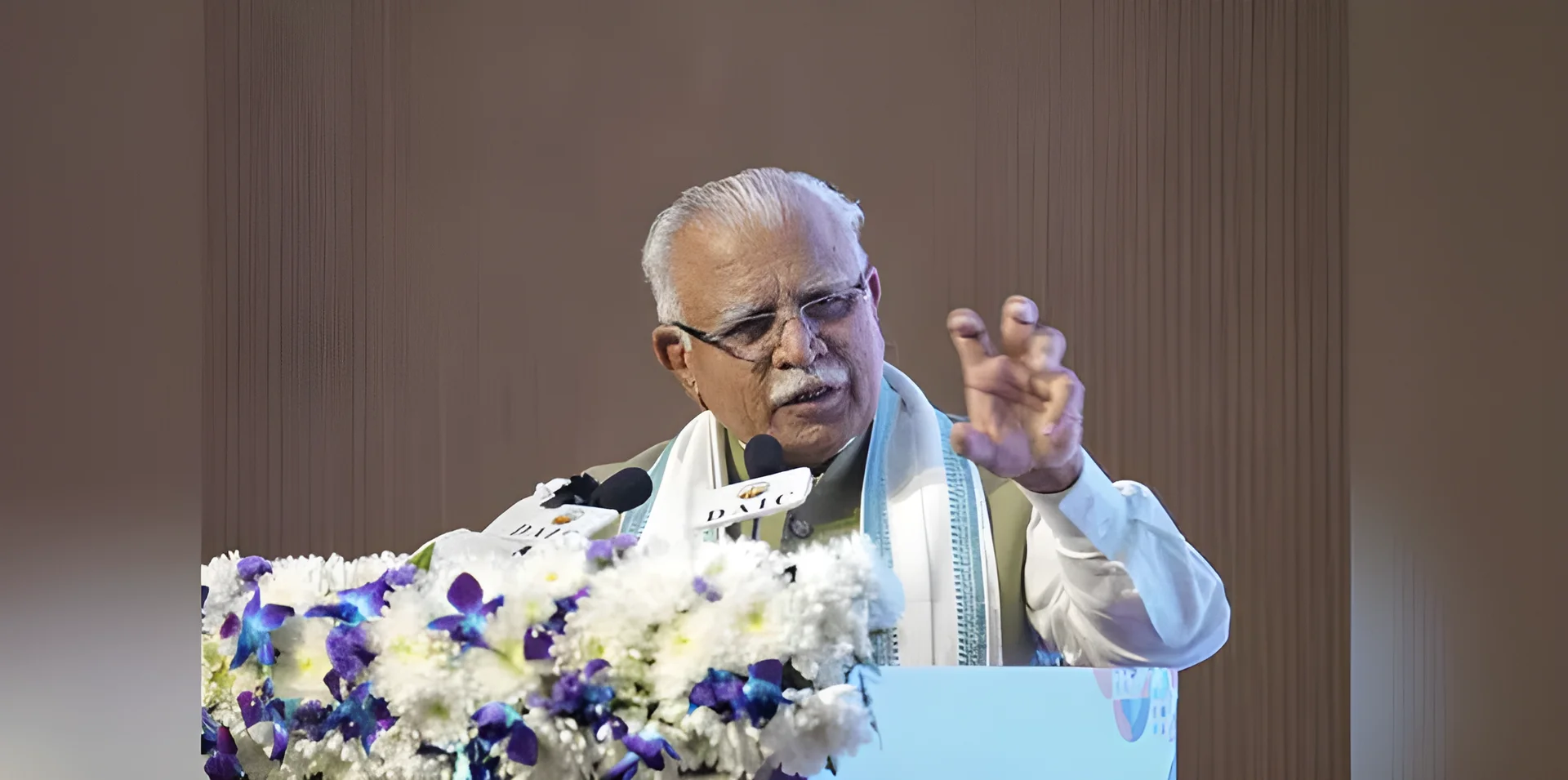
The Indian government has announced its intention to adopt a consensual approach before implementing the Corporate Average Fuel Efficiency-III (CAFE-III) norms, which aim to limit average fuel consumption and carbon emissions across the entire model range of automobile manufacturers. Union Power Minister Manohar Lal made the remarks during the 25th Foundation Day of the Bureau of Energy Efficiency (BEE) on Sunday.
CAFE-III Norms: Timeline and Objectives
The proposed CAFE-III norms, introduced by the BEE, are set to take effect from April 1, 2027, to March 31, 2032. The government has already sought feedback from stakeholders on the draft rule. The norms aim to ensure that automobile manufacturers improve fuel efficiency and reduce emissions across their entire vehicle range, in line with global climate commitments.
The CAFE norms were first introduced in 2017 and have evolved over time, with CAFE-2 beginning in 2022. The upcoming CAFE-III phase is expected to be more stringent, reflecting India’s growing emphasis on reducing carbon emissions and promoting sustainable mobility.
According to the draft norms, which were discussed in September 2025, small cars with an unladen mass up to 909 kg, engine capacity not exceeding 1200 cc, and length not exceeding 4000 mm may be eligible for relaxed emission standards. However, this has sparked debate among industry players.
Industry Divisions and Concerns
Automobile manufacturers have expressed mixed views on the proposed norms. Some, including Maruti Suzuki India, have argued for relaxed emission mandates for small cars, citing affordability and weight as key factors. Maruti’s Chairman, R C Bhargava, stated that the CAFE norms were designed to push big cars to improve fuel efficiency and reduce emissions, not to penalize small cars.
Conversely, industry leaders such as Tata Motors’ Shailesh Chandra have warned that granting leniency to small cars based on weight and affordability could compromise safety standards and hinder the transition to clean energy. Chandra emphasized that the focus should remain on sustainable mobility rather than concessions for specific vehicle categories.
Power Minister Manohar Lal acknowledged the differing priorities among stakeholders, stating, ‘They have different priorities. There are clash of views also. They push for their views. We have to take a decision at some point. We try to bring a consensus on the decision. Things don’t happen unanimously because everybody has a vested interest. We will take a consensus view and soon implement it.’
Last week, Union Heavy Industries Minister H D Kumaraswamy confirmed that the power ministry had sent the CAFE-III proposal to the Prime Minister’s Office (PMO) following a meeting with stakeholders. This indicates that the government is moving closer to finalizing the norms, though the final decision will depend on the feedback received from various industry players.
India’s Climate Commitments and Energy Efficiency
During the BEE foundation day celebrations, Manohar Lal highlighted India’s progress in meeting its climate commitments, noting that the country has reduced emissions intensity by 36% of GDP from 2005 levels. Additionally, India has achieved 52% of non-fossil fuel installed capacity, surpassing the 2030 target.
The minister emphasized the importance of energy efficiency as a core pillar of national development, particularly in achieving the vision of Viksit Bharat @2047. He also pointed to emerging areas such as data centers and artificial intelligence, which require efficient and sustainable energy management solutions.
On the occasion, the BEE@25 logo was revealed to mark the organization’s 25th anniversary. A new portal, http://www.rco.beeindia.gov.in, was also launched to enhance monitoring, compliance, and coordination among stakeholders under various energy efficiency programs.
Additionally, the BEE Star Label Mobile Application was launched, developed in collaboration with CLASP. The app allows consumers to scan QR codes on star-labelled appliances to instantly access authentic product information, including energy performance and compliance status.
The government’s approach to the CAFE-III norms reflects a broader effort to balance environmental goals with economic and social considerations. As the finalization of these norms approaches, the impact on the automobile industry and consumers will become clearer, particularly in terms of affordability, innovation, and compliance.





Comments
No comments yet
Be the first to share your thoughts