

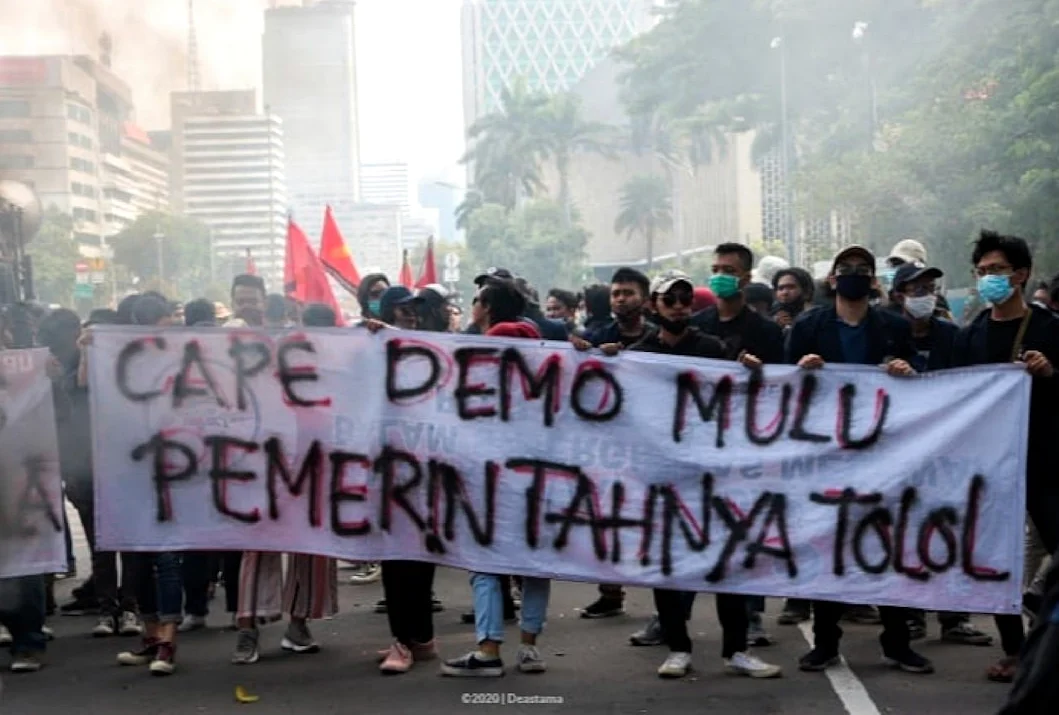
Indonesians marched on parliament to demand a enforcement action on corruption, with protesters calling for legislation to seize assets linked to corrupt officials; According to Al Jazeera, after nightfall, some protesters threw objects at officers, who responded with tear gas and a water cannon. A police post and motorcycle were set alight, and several people were carried off on stretchers.
Demands for Legislative Action
Protesters are pushing for the passage of a bill first introduced in 2008, which would allow the state to confiscate assets tied to corruption — some at the rally even called for corrupt officials to face the death penalty. Lawmakers met with representatives of the protest group United Pati Community Alliance outside parliament and promised to resign if the bill is not passed by December 15, according to its leader, Sopriyano.
Student Participation and Broader Demands
Approximately 200 students from several universities were present at the protest, urging the government to scrap a free school meal programme that has been marred by corruption claims and repeated food poisoning incidents. They also called for an end to the “militarisation” of Indonesian society and lower food prices.
“We chose August 27 to commemorate because last year there were riots and various other incidents; And today we want to convey our aspirations, not cause riots,” a representative for the students told Reuters.
Jakarta police deployed 18,500 officers and detained 65 people before the march, on suspicion of being “provocateurs,” according to police spokesperson Budi Hermanto. Chief Security Minister Djamari Chaniago stated the deployment was not aimed at curbing free expression, saying, “We will escort them so that their aspirations can be conveyed properly.”
Protest Context and Similar Movements
Similar protests have occurred in other cities, including Yogyakarta and Makassar. While the focus in Indonesia is on anti-corruption legislation, in India, a movement known as the CJP (Cockroach Movement) has also taken to the streets over concerns about corruption in educational examinations.
According to ABC News, the CJP movement began after national medical school entrance test papers were leaked in May, affecting over 2 million students and forcing them to retake the exam. Protesters in India have also called for the release of movement leader Gopal Itwaru and compensation for those who died by suicide during the crisis.




Comments
No comments yet
Be the first to share your thoughts