

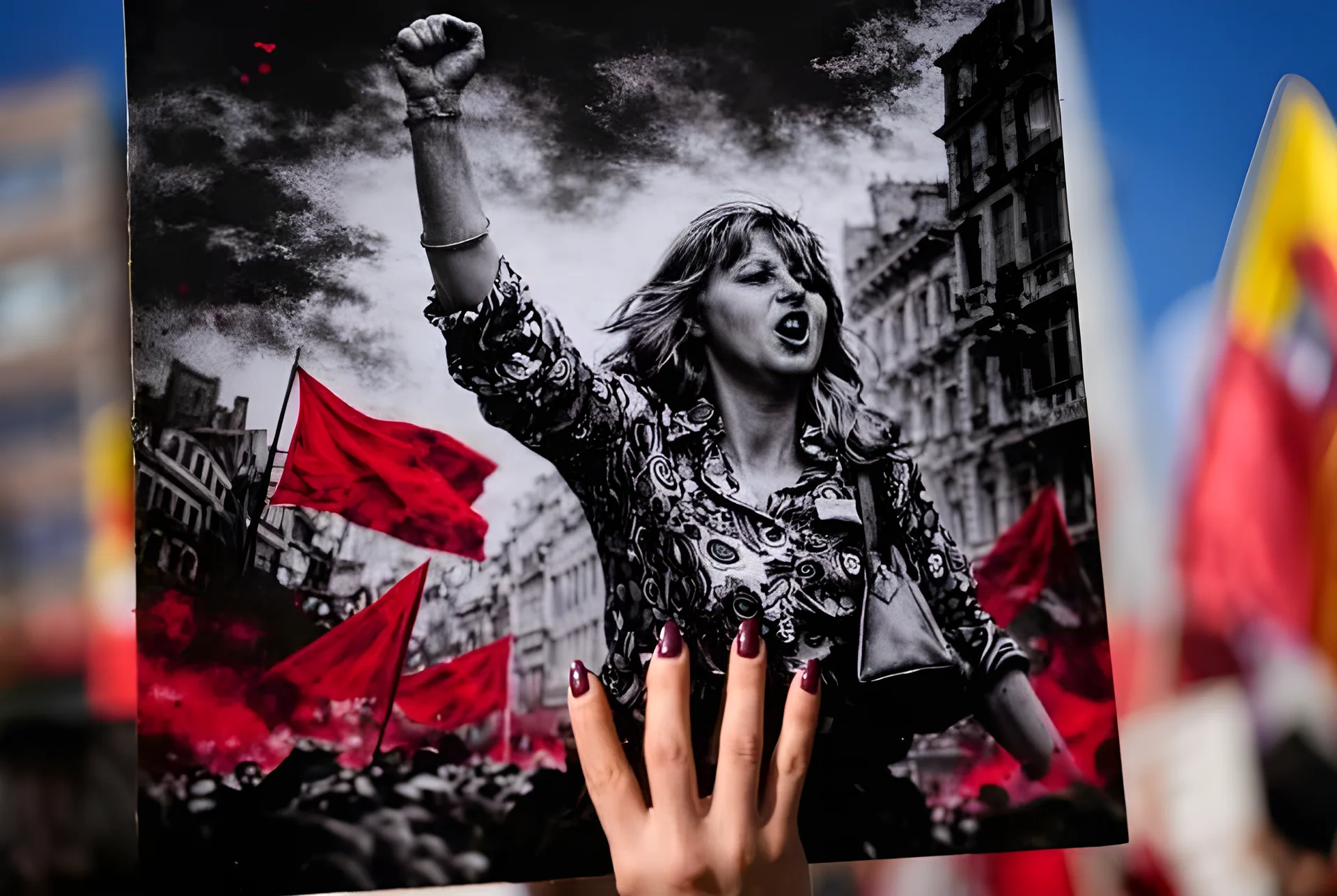
Women across the globe took to the streets on Sunday to call for equal pay, reproductive rights, education, and an end to gender-based violence during events marking International Women’s Day. The day, recognized by the United Nations since 1977, serves as both a celebration of progress and a call to action for ongoing struggles toward female empowerment.
Global Protests and Symbolic Actions
Protests were held in cities from Karachi, Pakistan, to Istanbul, Turkey, where women raised their voices and fists in solidarity. In China and Russia, vendors sold pink-wrapped flowers, while workers in Phnom Penh, Cambodia, celebrated with umbrellas and raised hands in support. The theme for 2026, ‘Give to Gain,’ emphasizes fundraising and intangible acts of support, such as teaching others and challenging discrimination.
According to United Nations data, women currently hold 64% of the legal rights that men have, highlighting the ongoing fight for parity. In Berlin, an estimated 20,000 people attended a march, more than double the number police had anticipated. Speakers condemned violence against women and gender discrimination, calling for systemic change.
Protests Focused on Gender-Based Violence
In Brazil, demonstrations were fueled by the recent case of a 17-year-old girl allegedly gang-raped in Copacabana. The incident, which occurred in January, gained national attention this week when four suspects surrendered to authorities. Organizers called for an end to femicide and the protection of women’s lives, planning at least 15 protests across the country.
Spain saw tens of thousands of women marching in major cities, demanding equality and an end to violence against women. Demonstrators also voiced support for women in Afghanistan and Iran, with Khadija Amin, an Afghan journalist, stating, ‘Our struggle is together with the women, both Iranian and Afghan. In this struggle, we are together.’ She added, ‘We will fight for our rights, and they also need to know that we support them from Afghanistan.’
Challenges in Conflict Zones
In Gaza City, Palestinian women described the stark contrast between their lives before and after the war. Many now live in tents with little protection from the elements, spending hours daily searching for basic necessities. Wisal Badawi, one of the women waiting for food and water, said, ‘The Palestinian woman is suffering. No matter how much I try to explain, she is suffering.’
According to U.N. figures, a woman or girl is killed every 10 minutes by a family member or partner. The number of women exposed to conflict has increased significantly over the past decade, further compounding the challenges they face.
In Pakistan, women’s rights activists were briefly detained by police in Islamabad after attempting to hold a rally in defiance of a government ban on public gatherings. The ban, imposed amid a surge in militant violence, led to the arrest of several activists, who were later released. Aurat March, a network of women’s rights activists, condemned the arrests, stating that the participants were exercising their right to protest peacefully.
The U.S. Supreme Court’s 2022 decision to overturn the nationwide right to abortion has had a ripple effect across Europe, reigniting debates on reproductive rights. This decision has forced the issue back into the public sphere at a time when far-right nationalist parties are gaining influence.
International Women’s Day is observed on March 8, a date that originated from a massive protest in Russia on February 23, 1917, which contributed to the country’s eventual withdrawal from World War I. The date was later adjusted to March 8 after Russia adopted the Gregorian calendar.
The U.N. began commemorating International Women’s Day in 1975, which was declared International Women’s Year. The General Assembly officially recognized the day in 1977. As social media continues to play a crucial role in amplifying attention to demonstrations, especially in countries with repressive governments, the day’s significance is growing.
As the world marks the 115th year of International Women’s Day, the focus remains on the ongoing fight for equality, justice, and the rights of women everywhere. The events of 2026 serve as both a reminder of past progress and a call to action for the challenges that remain.






Comments
No comments yet
Be the first to share your thoughts