

 BBC
BBC 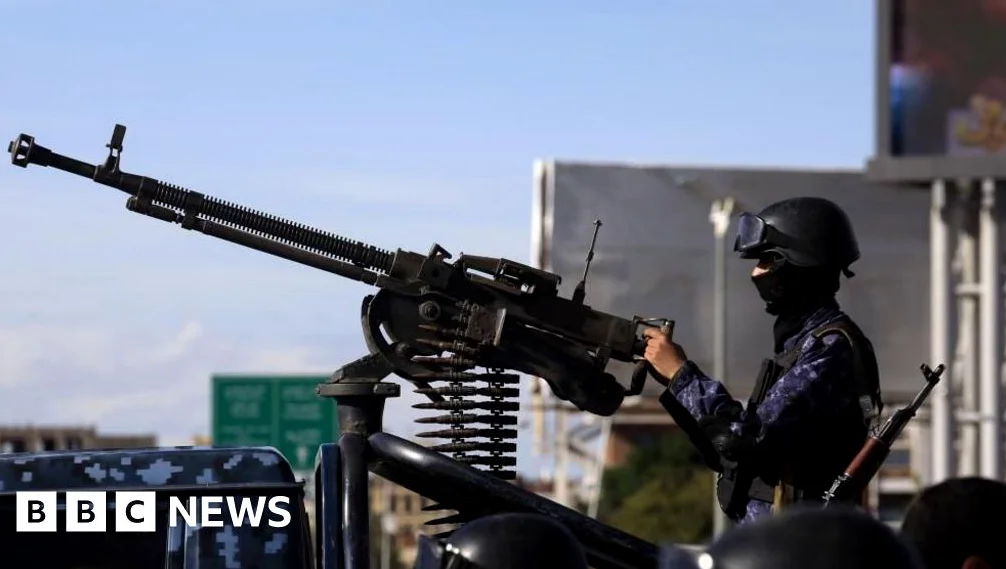
The Iran-backed Houthis in Yemen have launched a barrage of missiles against Israel, marking the first such attack since the start of the US-Israel conflict with Iran, according to the BBC. The group said in a statement that it had targeted ‘sensitive Israeli military sites’ and vowed to continue such attacks. Israel said it intercepted one missile coming from Yemen.
Strategic Implications for Global Trade
The involvement of the powerful Iranian proxy in the conflict raises fears of further disruption to the world economy, as the armed group has the capacity to attack shipping in the Red Sea. The Houthis control Yemen’s Red Sea coastline, which is critical for global trade routes. About 20% of the world’s oil and liquefied natural gas typically passes through the Strait of Hormuz, a waterway that has been effectively closed by Iran, according to the BBC.
The closure of the Strait of Hormuz has caused the price of oil to skyrocket and has raised concerns that a prolonged blockage could raise energy prices and even lead to a severe contraction in the economies of many countries. The waterway is a vital artery for global commerce, with almost 15% of global seaborne trade usually passing through the Red Sea.
The Houthis have previously attacked shipping in the Bab al-Mandab Strait, which ships use to access the Red Sea and, ultimately, the Suez Canal from the Indian Ocean. From November 2023 to early 2025. The Houthis launched almost 200 attacks on ships in the Red Sea, damaging over 30 vessels and hijacking at least one; the attacks forced even major shipping companies to stop using the Red Sea and take a much longer route around southern Africa instead.
Regional Alliances and Escalation
The Houthis consider themselves to be part of a so-called ‘axis of resistance’ that also includes other groups financed by Iran, such as the Hezbollah in Lebanon and Hamas in the Gaza Strip. The involvement of the group in the conflict that began with US and Israeli strikes on Iran on 28 February had been largely expected, according to the BBC.
Prior to launching Saturday’s attack. Their military spokesman issued a statement saying their hands were ‘on the trigger for direct military intervention’ if any countries joined the US-Israeli strikes or the Red Sea was used for military operations against Iran. A few hours later. They confirmed they had launched ‘a salvo of ballistic missiles’ and attacks would continue ‘until the aggression against all resistance fronts ceases’ – an apparent reference to Israel’s escalation of operations against the Hezbollah.
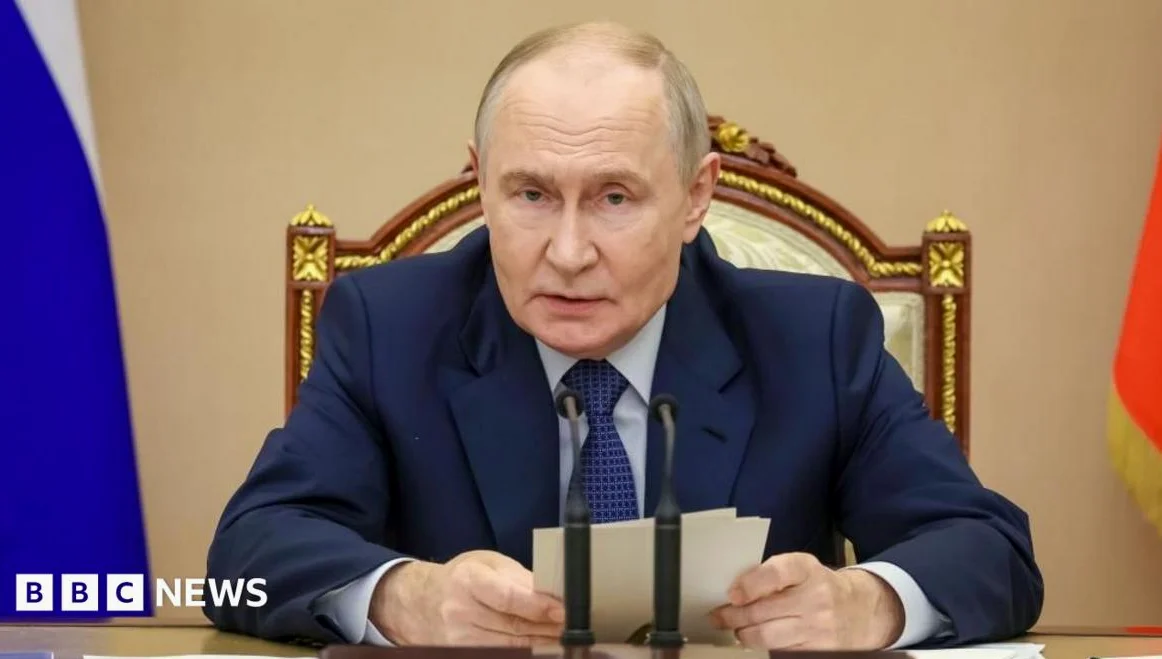
US and Israeli attacks against Iran have continued unabated, even as US President Donald Trump says he has postponed a threatened attack on Iran’s power plants if it does not reopen the strategic Strait of Hormuz to shipping by 6 April. Trump says Iran is desperate to reach a deal to end the war and is involved in talks with the US to do so – which Tehran denies.
Historical Context and Civil War in Yemen
Yemen has been devastated by a civil war that began 12 years ago, when the Houthis seized control of the country’s north-west from the internationally recognised government and a Saudi-led coalition supported by the US intervened in an effort to restore its rule. The conflict has led to widespread humanitarian crises, with millions of people facing food insecurity and lack of access to clean water.
The involvement of the Houthis in the current conflict is not surprising, given their long-standing opposition to Western influence in the region. Their military capabilities, though limited, have been sufficient to disrupt shipping lanes and challenge regional stability. The US and UK carried out air strikes on Houthi targets in Yemen in January 2024 and in March 2025 following the attacks.
The effective closure of the Strait of Hormuz by Iran has forced Saudi Arabia to divert oil through a pipeline to its Red Sea coast, with shipments bound for the Asian market then sailing south past Yemen – making Bal al-Mandab the main channel for these shipments. This shift has further complicated the already fragile geopolitical landscape in the region.
The situation remains highly volatile, with the potential for further escalation. The Houthis’ involvement in the conflict is a significant development that could have far-reaching consequences for global trade, energy prices, and regional security. The coming weeks will be critical in determining the trajectory of this conflict and the responses of key players involved.





Comments
No comments yet
Be the first to share your thoughts