

 BBC
BBC 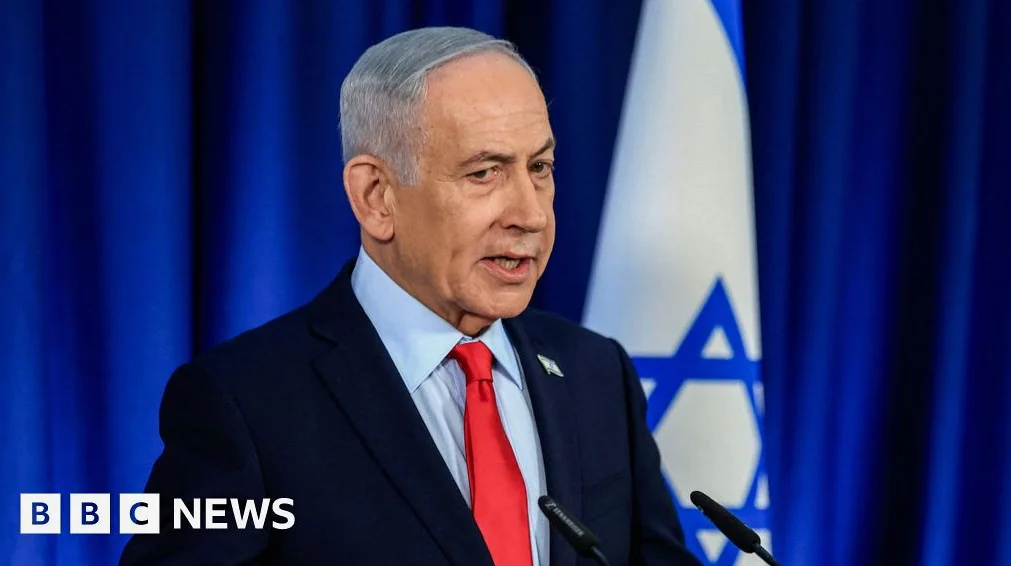
The US ceasefire agreement with Iran has presented Israel’s prime minister with a political nightmare, smashing the three cornerstones of Benjamin Netanyahu’s political career, and leaving him trapped in a new security dilemma, according to BBC.
Netanyahu’s Political Dilemma
How can the man who styled himself as the political whisperer of Washington, with real influence over American politicians, be sidelined quite so comprehensively and insulted so publicly by his key US ally?
How can the man who made taking on Iran the centre-piece of Israel’s security policy end the war with Iran’s government arguably in a stronger position?
And how can his old, tarnished political image as Israel’s “Mr Security” survive the demand from Washington and Tehran that Israel cease attacking Hezbollah in Lebanon, months before an Israeli general election?
Political Options and Rivals
The options facing Netanyahu now are not good. They were summarised by the opposition leader, Yair Lapid, in the Knesset on Monday as “either a direct and destructive confrontation with our greatest ally, or a submissive surrender of Israeli interests”.
The expletive-laden assessment by US President Donald Trump that Netanyahu showed no judgement when ordering a strike on Beirut on Sunday has been seized upon by his political rivals and media commentators, already focused on the election that must be held before the end of October.
But comments from members of Netanyahu’s own Likud party, and far-right cabinet ministers in his governing coalition, also show the pressure he faces from his own side – most sharply over the demand from Tehran that the ceasefire covers “military operations on all fronts, including Lebanon”.
“Trump’s agreement does not bind us,” Israel’s far-right national security minister, Itamar Ben-Gvir, wrote on social media on Monday. “We are not partners to this agreement that does not ensure our security.”
“Israel will continue to protect itself,” Likud lawmaker Ariel Kallner told me, though he would not clarify whether that meant Israel would continue its attacks.
“We will do what we need to do. And we expect our friends to understand us,” he said. “Sometimes there are disagreements between allies, and allies should also understand their allies when they are in danger.”
Security Concerns and Regional Dynamics
Sima Shine, a former Mossad official and Iran specialist said: “It’s difficult to understand why the Americans accepted it.
“By allowing Iran to decide what will happen in Lebanon, the US is giving Iran the possibility to continue to support Hezbollah, and to make sure that Hezbollah is a major political actor in the Lebanese arena.
“Israel is not happy with that – neither the security establishment, nor the political,” she said.
Apart from the cacophony of criticism and outrage from across the political spectrum, Israel’s prime minister bristled at suggestions from journalists on Monday night that he had failed.
“I have devoted most of my adult life to one goal—preventing Iran from obtaining nuclear weapons,” he said during a press conference in Jerusalem.
“We will do what is necessary. I do not limit myself in any way on this goal: Iran will not have nuclear weapons.
But he also admitted there were cases in which he and Trump saw things differently.
“I have expressed my views in discussions, but we have our own interests: first, no nuclear threat; second, Lebanon – we created a buffer zone and will remain there as long as necessary,” he said.
“Iran wanted us to withdraw – that did not happen. You know why? Because I stood very firm. Our American allies respect that determination. We also insist on preserving our operational freedom – if we are attacked or threatened, we respond.”






Comments
No comments yet
Be the first to share your thoughts