

 Al Jazeera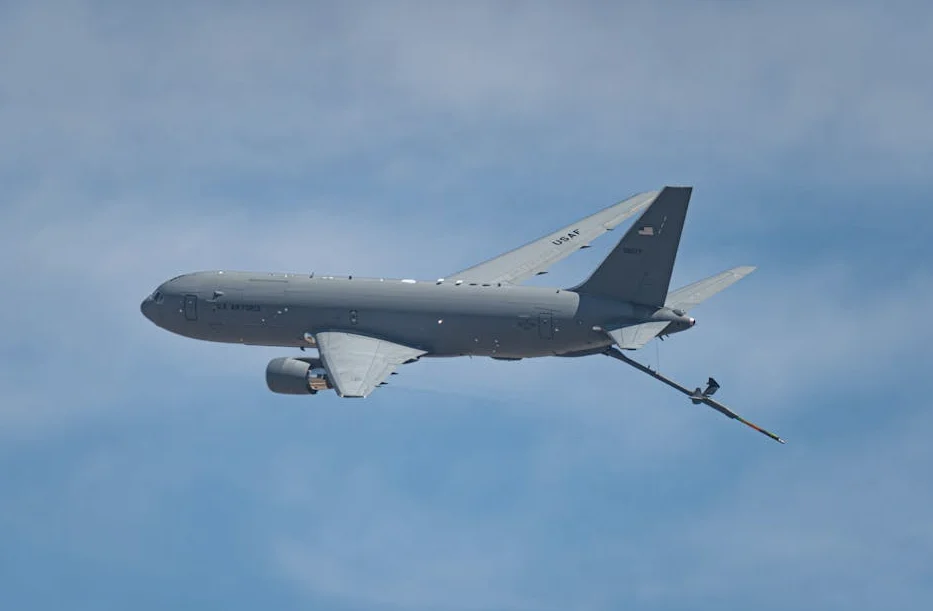
Iran has reportedly targeted a US E-3 Sentry AWACS aircraft and KC-135 refueling tankers at the Prince Sultan Air Base in Saudi Arabia, according to reports from The Wall Street Journal and Air & Space Forces Magazine. This attack. Which occurred on Friday. Is believed to have damaged or destroyed several US military assets and left at least 15 American soldiers wounded, with five in serious condition.
Iran’s Targeting of US Assets in the Gulf
The attack on the airbase. Located about 96km southeast of Riyadh. Comes as part of a broader pattern of Iranian strikes on US military installations in the Gulf. In the past month. Iran has reportedly damaged or destroyed radar systems, a THAAD missile defense system, and Reaper drones in attacks on US bases in Saudi Arabia, the UAE, Bahrain, Jordan, and Kuwait. The Al Udeid base in Qatar. A key US military hub, has also come under attack.
According to Ebrahim Zolfaghari. Spokesperson for Iran’s central military headquarters, the strike on the airbase destroyed one refueling aircraft and damaged three others. Satellite imagery from Press TV showed visible damage to several aircraft at the base following the attack. This would be the second time the airbase has been targeted in a week, with a previous strike on March 13 damaging five KC-135s, as reported by the WSJ.
Saudi Arabia has previously intercepted several Iranian missiles and drones aimed at its oil-rich eastern region. However, the country has not yet commented on the latest attack on the airbase. The Saudi Ministry of Defence stated it intercepted several drones and missiles launched from Iran towards Riyadh but has not confirmed the details of the airbase strike.
The Significance of the AWACS Aircraft
The E-3 Sentry, known as AWACS, is a critical asset for the US military, providing airborne early warning and control capabilities. It is a modified Boeing 707/320 commercial airframe equipped with a rotating radar dome that can detect targets from more than 375km away. The radar system enables the aircraft to monitor and manage air traffic, coordinate air strikes, and provide situational awareness in combat zones.
According to the US Air Force, the E-3 can remain airborne for eight hours without refueling and has the potential to extend its range further through in-flight refueling. The US currently operates a fleet of 16 E-3 aircraft, with six deployed to bases in Europe and the Middle East during the ongoing conflict with Iran.
Retired US Air Force Colonel John Venable described the attack on the E-3G AWACS as “a big deal,” noting that it significantly reduces the US ability to maintain situational awareness in the Gulf. Heather Penney, a former F-16 pilot and director at the Mitchell Institute, warned that the loss of the E-3 could disrupt critical operations such as airspace deconfliction, targeting, and coordination of lethal effects in the battlefield.
Impact on US Air Campaign and Regional Stability
The reported attack on the E-3 AWACS has created temporary gaps in the US air campaign’s command and control, according to military analysts. Kelly Grieco, a defense policy expert, stated that the loss of AWACS aircraft could have immediate consequences for the US military’s ability to monitor the battlefield effectively.
Iran’s tactics, which include the use of proxy networks, drone swarms, missile saturation, and cyberoperations, have been designed to weaken US airpower in the region. The country has also effectively blocked the Strait of Hormuz, through which 20% of global oil and gas passes, leading to a surge in oil prices to over $100 per barrel, a 40% increase from pre-war levels.
John Phillips, a former military instructor and security adviser, noted that the loss of AWACS forces the US to rely more on ground-based radar systems, which are less effective in a high-intensity conflict. He suggested that the US may deploy the E-7 Wedgetail, a Boeing plane that provides similar surveillance capabilities, to mitigate the impact of the attack.
Despite the immediate challenges, Phillips warned that the US may consider shifting to more resilient systems, such as ship-based radar or deploying aircraft to bases farther from the front lines to reduce the risk of future attacks.
Iran has also targeted other US assets in the region. Since the start of the conflict, the US has reportedly lost 12 MQ-9 Reaper drones, which are used for intelligence gathering and precision strikes. On March 19, Iran’s Major Guard claimed it had targeted a US aircraft, with footage released by Tasnim news agency suggesting a hit on an F-35 stealth fighter. However, US officials have not confirmed this claim.
On March 22, Iran stated it had intercepted an F-15 fighter jet that violated its airspace over Hormuz Island. These incidents highlight the escalating nature of the conflict and the growing risk of direct military confrontation between the US and Iran in the Gulf region.
As the war enters its second month, the targeting of critical US assets like AWACS aircraft and refueling tankers exposes the strategic importance of air superiority in the region. The impact of these attacks on US military operations and regional stability remains to be seen, but they have undoubtedly raised the stakes in the ongoing conflict.






Comments
No comments yet
Be the first to share your thoughts