

Iran launched a new wave of attacks on economic infrastructure and US diplomatic facilities across the Middle East on Tuesday, as President Donald Trump declared that it was ‘too late’ for Iran to seek talks to de-escalate the conflict. The attacks came after a series of US and Israeli strikes that killed Supreme Leader Ayatollah Ali Khamenei and several other senior Iranian figures, triggering a chain of retaliatory strikes by Iran and its allies.
Impact on Regional Trade and Security
Drone and missile attacks targeted oil facilities in the Gulf and US embassies in Riyadh and elsewhere, causing damage and prompting warnings from the US embassy in Saudi Arabia. The US Consulate in Dhahran, a major hub for oil and gas operations, was under threat of imminent attack, with authorities urging citizens to avoid the area.
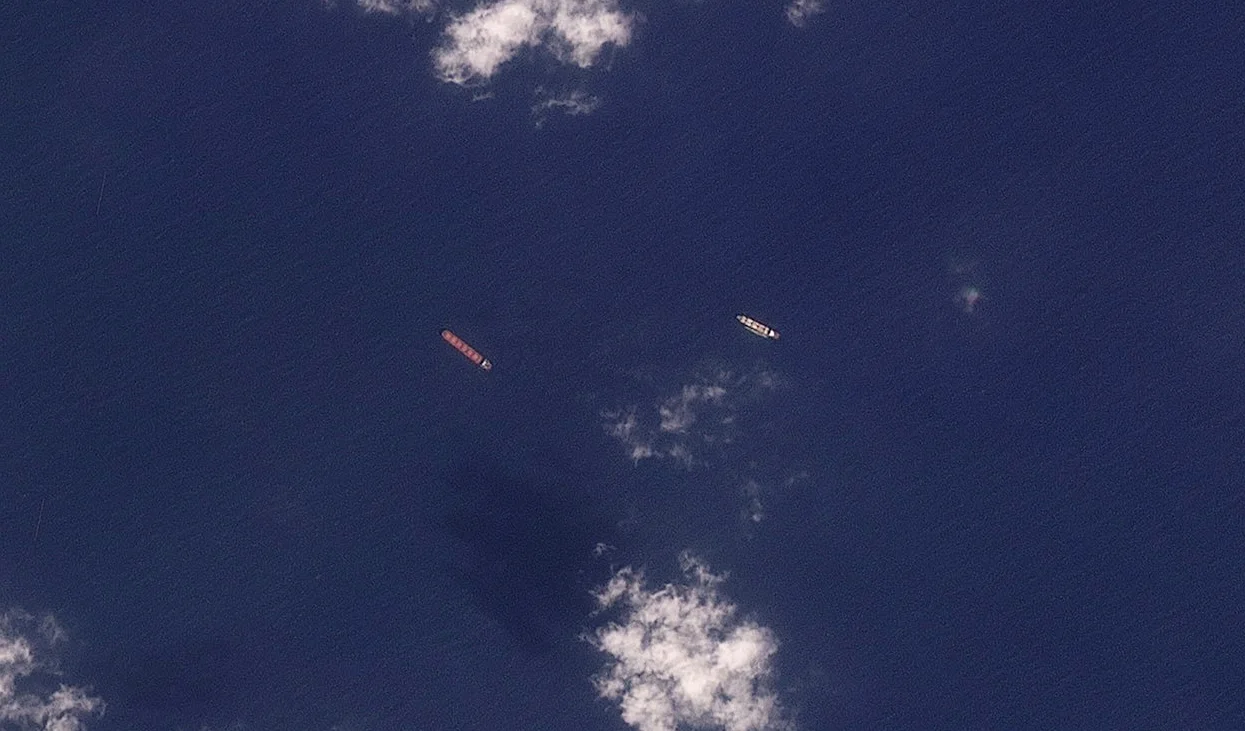
Qatar has shut down its massive liquefied natural gas (LNG) industry following Iranian attacks on two gas processing plants. The move has disrupted global energy supply chains and triggered a 2 percent rise in the price of aluminium on the London Metal Exchange. Shipping through the strategic Straits of Hormuz has all but halted, and thousands of flights have been canceled, stranding travelers across the region.
Escalating Tensions with Israel and the US
Israel, in response to Iranian and Hezbollah attacks, has pushed its military deeper into southern Lebanon, claiming the need to create a buffer zone to protect border communities. Israeli Defense Minister Israel Katz authorized forces to seize additional strategic positions in the region, following Hezbollah’s missile attacks in support of Iran.
Iran’s Major Guards warned that ‘the gates of hell will open more and more’ upon the United States and Israel. Meanwhile, the United Nations High Commissioner for Human Rights, Volker Turk, expressed ‘deep shock’ at the humanitarian toll of the conflict, particularly on civilians.
The US State Department issued urgent warnings for Americans to leave the Middle East, citing ‘serious safety risks.’ At least six US military personnel have been killed in the conflict so far, according to US Central Command. Iranian media have reported hundreds of casualties, including dozens at a girls’ school, though these figures remain unverified by independent sources.
Global Reactions and Economic Fallout
China’s Foreign Minister Wang Yi cautioned against the use of force in resolving the crisis, warning that it would bring ‘new problems and severe after-effects.’ India, which has 10 million citizens in the Gulf region, also expressed ‘great anxiety’ over the conflict’s impact on its trade and energy supply chains.
In Oman, drones targeted the port of Duqm for the second time in three days, despite the country’s role as a mediator between Iran and the US before the war. The UAE has been hit by more than 800 drones and nearly 200 missiles since the conflict began, with significant damage to infrastructure.
The US embassy in Riyadh reported damage from a drone strike, with smoke visible on the walls and roof. Saudi authorities have been conducting ID checks in the diplomatic quarter, and the country’s foreign ministry condemned the attack as ‘heinous and unjustified.’
In Lebanon, the death toll continues to rise, with 30,000 Lebanese displaced and seeking shelter in collective centers. The Lebanese army has redeployed troops near the southern border, as Hezbollah claimed to have launched strikes against Israeli military bases.
With no immediate end to the conflict in sight, the Middle East faces an uncertain future. The war has already sent shockwaves through global markets, with energy prices soaring and stock values plummeting. As the situation continues to evolve, the international community is watching closely for any signs of de-escalation or diplomatic intervention.




Comments
No comments yet
Be the first to share your thoughts