

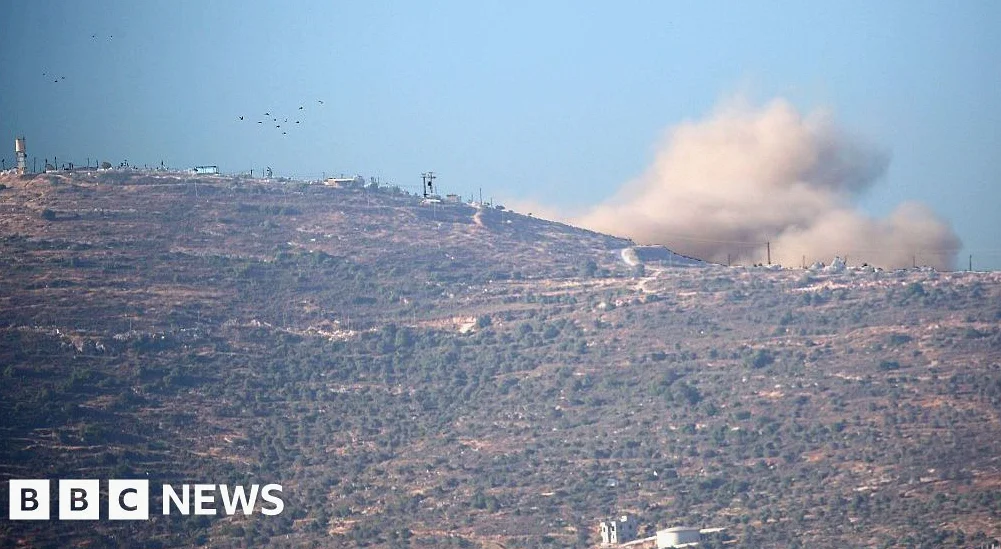
Iran and Israel have agreed to a pause in hostilities, but both sides have issued clear warnings of more severe responses if the ceasefire is not upheld, according to The Christian Science Monitor and 경향신문. The military escalation had previously included Israeli airstrikes in Tehran and other Iranian cities, as well as Iranian ballistic missile attacks in response to Israeli strikes in southern Lebanon.
Temporary Halt Amid Escalation
By mid-afternoon on Monday, Iran’s Khatam al-Anbiya military command announced it would cease current operations but warned that if Israeli attacks continue, particularly in southern Lebanon, Iran’s response would be “more severe.” Meanwhile, Israeli Prime Minister Benjamin Netanyahu stated he would “hold fire” against Iran but added that Israel would “respond powerfully” if Iran “made a mistake” and resumed attacks.
The latest round of attacks came after Israeli forces expanded their operations against Hezbollah in the southern suburbs of Beirut. Iran had previously warned that such actions would provoke a response. The situation intensified late Sunday when Iran launched a volley of ballistic missiles at Israel, prompting Israeli civilians to seek shelter. In response, Israel carried out airstrikes in Tehran and other Iranian cities, despite U.S. President Donald Trump urging restraint.
Trump’s Role and Regional Tensions
President Trump has repeatedly claimed a peace deal in the Middle East is within reach, but the recent military exchanges have cast doubt on the timeline and feasibility of such an agreement. The Christian Science Monitor reports that Trump reiterated his stance on Sunday, even as Israel and Iran escalated their conflict. According to 경향신문, Trump had previously called Netanyahu in anger, reportedly using profanity and asking, “Are you out of your mind” after Netanyahu ordered strikes in southern Beirut.
Trump’s ability to prevent a broader war and to reinvigorate peace talks with Iran now depends on how much influence he can maintain over Netanyahu, according to 경향신문. The article highlights that despite Trump’s efforts, Netanyahu proceeded with additional strikes in Iran, testing the limits of the U.S. president’s authority and the strength of U.S.-Israel relations.
Strategic Implications and Regional Dynamics
Iran’s actions reflect a broader strategy to redefine regional dynamics in its favor, particularly by protecting its ally Hezbollah in Lebanon from what it views as ongoing Israeli and American violations of any ceasefire agreements. The Christian Science Monitor notes that this pattern of tit-for-tat military actions is complicating any efforts toward a lasting peace.
According to the report, Iran seeks a wide-ranging ceasefire that shields Hezbollah from further Israeli attacks and ensures that such agreements are not routinely breached. The recent conflict demonstrates the fragility of any negotiated peace and the high stakes involved in maintaining stability in the region.
With both sides now indicating a temporary pause in direct military action, the situation remains highly volatile. The outcome will likely depend on whether the ceasefire holds and whether diplomatic efforts can gain traction. For now, the region is on edge, with both Iran and Israel clearly stating their willingness to retaliate if their interests are perceived to be threatened.





Comments
No comments yet
Be the first to share your thoughts