

Iran has clarified it will not commit to additional nuclear site inspections, according to Al-Monitor, even as U.S. Vice President J.D. Vance stated Monday that Iran agreed to allow IAEA access. The International Atomic Energy Agency (IAEA) was tasked with monitoring Iran’s compliance with the 2015 nuclear deal, the Joint Full Plan of Action (JCPOA), which curbed Iranian nuclear activity in return for sanctions relief. Tehran began obstructing inspector access in 2018 after former President Donald Trump withdrew from the pact.
IAEA Access and Nuclear Stockpile Concerns
Writing on his Truth Social platform. Trump said on Monday that “major weapons inspections” would be needed to “ensure Iran’s ‘Nuclear Honesty’ long into the future.” Iran insists its nuclear program is for peaceful purposes only but is required to cooperate fully with the IAEA as a signatory of the 1970 Nuclear Nonproliferation Treaty. However, IAEA inspectors have been barred from Iran’s main nuclear facilities since the U.S. strikes on the Fordow, Natanz, and Isfahan sites last June.
A key concern is the country’s estimated 970 pounds of highly enriched uranium that, if further enriched, could be used to develop as many as 10 nuclear weapons. The IAEA hasn’t been able to verify the material’s location, though much is believed to be stored deep under the Isfahan nuclear complex.
Talks in Switzerland and 60-Day Framework
Vance spoke at the conclusion of high-level talks in Switzerland that followed the two sides’ signing last week of a memorandum of understanding aimed at ending the war and enabling 60 days of talks on Iran’s nuclear program. It’s unclear how much progress can be made in that timeframe — At nearly 160 pages long, the 2015 nuclear agreement took the United States, Iran, and major powers around two years to negotiate.
Meanwhile, Treasury Secretary Scott Bessent announced a 60-day authorization for Iranian oil sales, according to TradingView; Bessent cited Iran’s commitment to keeping the Strait of Hormuz open to shipping and permitting IAEA inspections as key factors behind the sales authorization. He added that the Department of the Treasury has issued a temporary 60-day general license authorizing the production, delivery, and sale of Iranian oil.
Vance termed Iran’s invitation for IAEA inspectors a major milestone for the American people. However, Iran’s semiofficial Tasnim news agency reported that the Iranian delegation did not meet with IAEA Director General Rafael Grossi during the Burgenstock talks, as noted by Al-Monitor.
Regional Implications and Economic Impact
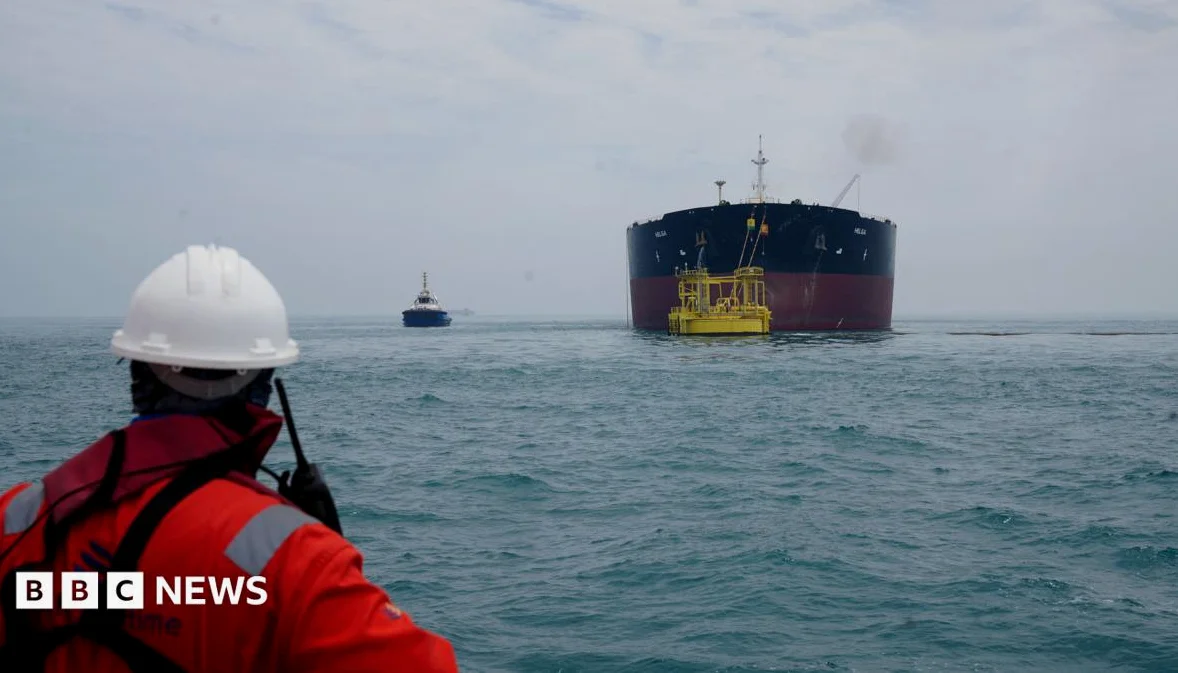
U.S. officials have confirmed the naval blockade on Iranian ports will be lifted in combination with the Strait of Hormuz being opened, according to RNZ. The blockade, put in place by Trump, had prevented Iranian tankers from leaving the region, crippling the administration’s oil trade. With the blockade lifted, U.S. officials said a return to normal traffic levels in the waterway will take time.
In a briefing, U.S. officials stated that Washington believes Iran is significantly weaker than it has been in decades. The deal reportedly was signed by Qalibaf, a former IRGC commander known for leading enforcement actions on dissent in Iran. U.S. equities gained in Monday’s opening trade after Vance hailed “great progress” in peace talks with Iran over the weekend. The Dow Jones Industrial Average (DJIA) rose more than 320 points in the opening session before paring some of the gains. The S&P 500 index gained about 0.3%, while the Nasdaq Composite edged up by 0.08%.





Comments
No comments yet
Be the first to share your thoughts