

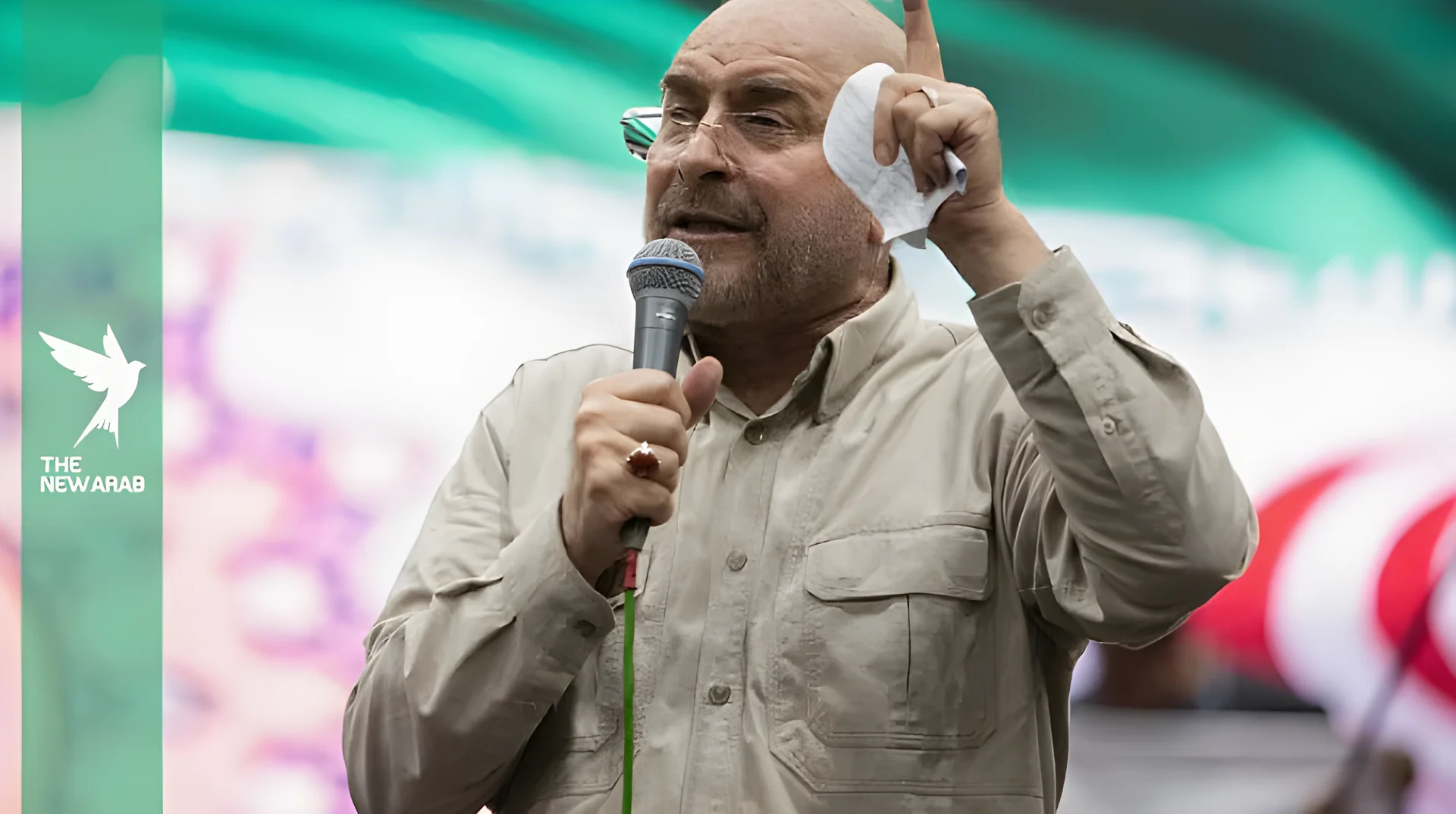
Iran’s parliament speaker, Mohammad Bagher Ghalibaf, has stated that his country will not return to the pre-war conditions, insisting that any ceasefire must ensure the conflict does not resume. In an interview with The New Arab, Ghalibaf emphasized that Iran is prepared to conclude mutual security agreements with neighboring Arab states to strengthen regional stability.
Conditions for a Ceasefire
Ghalibaf said that a ceasefire is only logical if it guarantees that the war will not resume, adding that Iran is ready to continue fighting until the political and security conditions are in place to end the threat in a genuine way. He stressed that a ceasefire giving the enemy an opportunity to repair its military capabilities would be unacceptable.
During the interview, Ghalibaf was asked if Iran would continue closing the Strait of Hormuz and carrying out attacks if the United States and Israel were to halt the war unilaterally. He responded that Iran would not accept a ceasefire unless the enemy regrets its aggression and the appropriate political and security conditions are established in the region and the world.
Ghalibaf also addressed the question of how long Iran can continue the war despite the ongoing attacks and the claims by its enemies that its military capabilities have declined. He said that Iran prepared itself for a long war, noting that it had taken the necessary measures to counter potential threats. He dismissed U.S. claims about destroying Iran’s offensive capabilities, stating that Iran has sufficient stockpiles of missiles and drones, and can produce them at higher rates and lower costs than the enemy’s interceptor missiles.
Regional Diplomatic Efforts
Ghalibaf was asked about reports that some countries, such as Russia and Saudi Arabia, are holding consultations with Tehran to end the war. He said that the only guarantee that aggression against Iran will not be repeated is to make the enemy regret its aggression to the extent that it never again considers attacking Iran.
The interview also touched on the selection of Ayatollah Mojtaba Khamenei after the assassination of the leader of the Islamic Revolution. Ghalibaf said that the choice and the people’s support for it, alongside the first message issued by the leader, make it clear to the world that Iran is not like Syria or Venezuela, where leaders abandon their countries or surrender to force. He emphasized that all the people, from the supreme leader to officials and citizens, stand united in defense of Iran’s dignity, independence, and territorial unity.
Ghalibaf was also asked if Iran’s policies could change under Khamenei’s leadership. He said that this is a question that Khamenei himself must answer, but that the principles of the revolution and its foundations, which led to his selection as leader, will not change.
Regional Relations and Security
Ghalibaf was asked why Iran continues attacking its Arab neighbors despite their opposition to the war and the significant efforts they made to prevent it. He said that the question should be directed to the United States, which used the territory and assets of those countries to establish military bases under the pretext of providing security but exploited those bases to attack Iran and forced Iran to respond.
He noted that the destabilization of security began with the United States operating from the territory of those countries. He said that in an existential war, Iran is compelled to defend itself. He pointed out that Iran had the capability to avoid bringing regional countries into the confrontation even during the previous war, despite the Americans standing alongside Israel.
Ghalibaf was also asked if these attacks give the impression that relations with these countries no longer matter to Tehran. He said that Iran believes more than ever in the necessity of strengthening relations with neighboring countries, but under the current circumstances, it is compelled to defend itself. He added that the region’s security should be provided by its own countries without external interference.
Ghalibaf said that the war will change many regional relationships, and Iran will not return to the conditions that existed before it. He stated that Iran is prepared to conclude lasting security agreements with countries in the region that can provide mutual guarantees and create stable, sustainable security for investors.
Iran’s Arab neighbors, both governments and populations, did not expect these attacks after the significant improvement in relations in recent years. Ghalibaf said that Iran did not expect its southern neighbors’ territories to be used to attack Iran, which forced Iran to defend itself. He said that the message is the same one the new leader pointed to: that the United States has only one real ally — Israel — and that even when Israel attacked the State of Qatar, the military bases in those countries did nothing to defend against Israeli aircraft.
Ghalibaf said that the war has once again proven that these countries hold no real importance for the United States. He urged them to settle it once and for all and close the American bases in their countries.



Comments
No comments yet
Be the first to share your thoughts