

 Reuters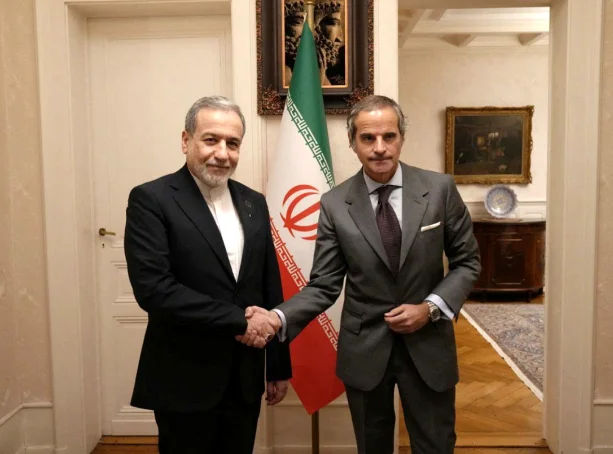
TEHRAN — Iran’s Foreign Minister Abbas Araqchi announced Friday that his team would finalize a draft counterproposal to U.S. nuclear demands in the next two or three days. The move comes after indirect talks in Geneva this week with U.S. special envoy Steve Witkoff and Jared Kushner, Trump’s son-in-law.
Araqchi told reporters an understanding emerged on key guiding principles during the discussions. Still, he stressed no full agreement was in sight. Top Iranian officials must still review the counterproposal before any further steps. He anticipated more bilateral talks within a week.
Military action by the U.S. would only derail negotiations, Araqchi warned. His comments followed Trump’s public threats. On Thursday, the president issued Tehran a 10-to-15-day deadline to resolve the long-running nuclear standoff or face severe consequences. Trump tied the ultimatum to a U.S. military buildup across the Middle East, a deployment that has heightened regional tensions and sparked fears of broader conflict.
Speaking at the White House Friday, Trump confirmed he was weighing limited strikes to force Iran’s hand. “I guess I can say I am considering” such options, he replied when asked directly. Later, he added a blunt warning: “They better negotiate a fair deal.”
Two U.S. officials disclosed that Pentagon planning against Iran has advanced significantly. Options on the table include targeted attacks on specific individuals. In extreme scenarios, the plans extend to efforts aimed at leadership change in Tehran, should Trump issue the order.
The Geneva session marked a rare direct channel between the adversaries, even if conducted indirectly. Araqchi described the atmosphere as constructive but emphasized gaps remain. Iran’s position centers on rejecting unilateral U.S. demands while insisting on mutual concessions.
Trump’s rhetoric has intensified since withdrawing from the 2015 nuclear accord two years prior. He has repeatedly labeled the deal flawed and pushed for a tougher replacement. Recent U.S. actions, including sanctions and naval reinforcements near the Persian Gulf, underscore the stakes.
European allies have urged restraint. Officials in London and Paris expressed hope for diplomacy over force. A German foreign ministry spokesperson called the talks a positive signal amid escalating risks.
Iran, meanwhile, has accelerated its nuclear program in response to sanctions. International Atomic Energy Agency reports show enriched uranium stockpiles surpassing deal limits. Tehran argues its activities stay within sovereign rights for civilian energy.
U.S. hawks in Congress back Trump’s hard line. Senator Lindsey Graham praised the military buildup as necessary use. Democrats, including House Speaker Nancy Pelosi, cautioned against rash moves that could ignite war.
Oil markets reacted sharply. Brent crude jumped 3% Friday on strike fears, hitting $68 per barrel. Analysts predict prices could spike above $80 if conflict erupts, disrupting Gulf shipping lanes.
Araqchi’s timeline offers a narrow window. If approved, the counterproposal would test Trump’s resolve. Failure to bridge divides could push the crisis toward confrontation by early March.
Regional players watch closely. Saudi Arabia and Israel quietly support U.S. pressure. Both view Iran’s nuclear ambitions as existential threats. Tehran accuses them of sabotaging talks.
For now, diplomats hold their breath. Araqchi’s pledge keeps the door ajar, even as Trump’s clock ticks.



Comments
No comments yet
Be the first to share your thoughts