

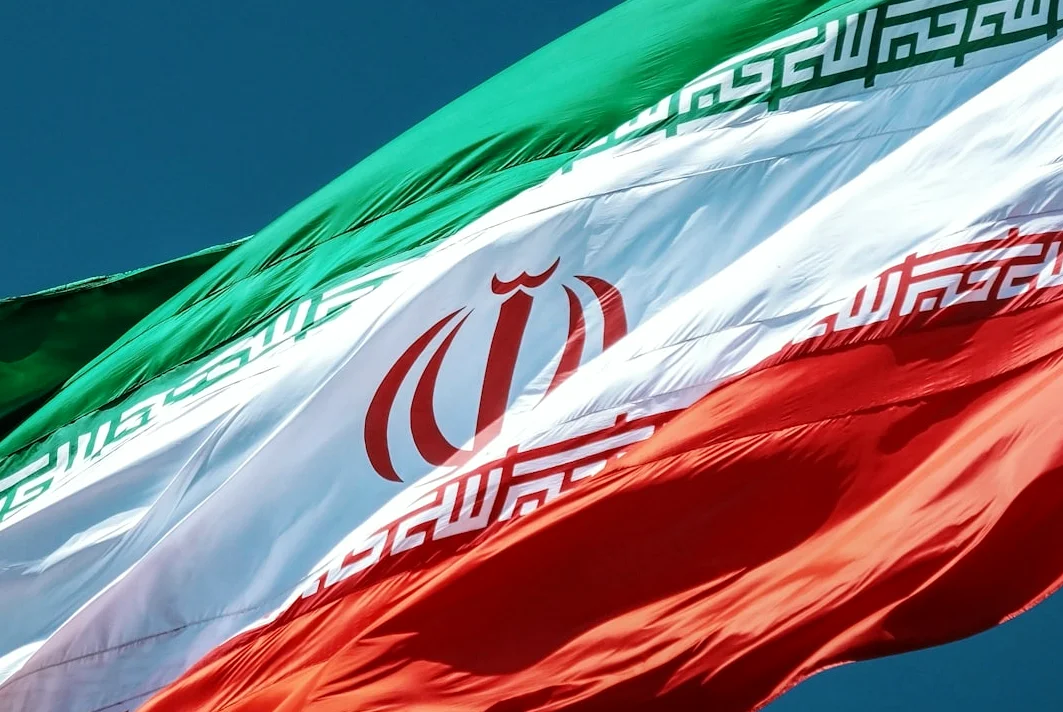
According to a recent report from Iran’s Fars news agency, critical gas infrastructure has been hit in a development that signals the widening of the conflict to include energy assets. The report highlights the increasing vulnerability of energy systems in the region, which could have significant implications for both regional stability and global energy markets.
Impact on Regional Energy Supply
The Fars report details that several key gas pipelines and processing facilities have been damaged, disrupting the flow of natural gas across Iran — this damage comes at a time when the country is already grappling with energy shortages and a slow recovery from previous infrastructure strikes. The impact is expected to be felt not only within Iran but also across neighboring countries that rely on Iranian gas exports for their energy needs.
According to the report. The damage to the gas infrastructure has been confirmed in multiple locations, including the Khuzestan province, a major hub for Iran’s oil and gas production. The region has seen increased military activity in recent months, with reports of drone strikes and targeted attacks on energy installations. These attacks have been attributed to various groups, including regional rivals and militant organizations.
The disruption of gas supplies has already led to higher energy prices in some areas, with reports indicating that gas prices have remained high despite hopes for a resolution to the conflict. The situation has also raised concerns about the reliability of energy exports from Iran, which could affect the broader Middle East and even global markets.
Broader Implications for Energy Markets
The attack on Iran’s gas infrastructure is part of a larger trend of targeting energy assets in the region, which has been observed in previous conflicts. Similar incidents occurred during the 2019 attacks on oil tankers in the Strait of Hormuz, which disrupted global oil supplies and led to a sharp increase in crude prices.
Analysts have warned that the current situation could lead to further volatility in energy markets, particularly as the world continues to rely heavily on oil and gas from the Middle East. According to the Fars report. The damage to the gas infrastructure could delay the recovery of the energy sector in Iran, which has been struggling to rebuild after years of sanctions and conflict.
The report also mentions that the Iranian government has been working to secure the region’s energy assets, with increased military presence around key installations, as However, the effectiveness of these measures remains uncertain, given the complexity of the current security environment.
According to the Fars report. The damage to the gas infrastructure has been confirmed in multiple locations, including the Khuzestan province, a major hub for Iran’s oil and gas production. The region has seen increased military activity in recent months, with reports of drone strikes and targeted attacks on energy installations. These attacks have been attributed to various groups, including regional rivals and militant organizations.
Future Outlook and What’s Next
Looking ahead. The situation in Iran’s energy sector remains uncertain, with no clear resolution in sight. The Fars report indicates that the government is considering various options to address the damage to the gas infrastructure, including increased investment in repairs and the development of alternative energy sources.
According to the report. The damage to the gas infrastructure has been confirmed in multiple locations, including the Khuzestan province, a major hub for Iran’s oil and gas production. The region has seen increased military activity in recent months, with reports of drone strikes and targeted attacks on energy installations. These attacks have been attributed to various groups, including regional rivals and militant organizations.
Analysts have warned that the current situation could lead to further volatility in energy markets, particularly as the world continues to rely heavily on oil and gas from the Middle East. According to the Fars report. The damage to the gas infrastructure could delay the recovery of the energy sector in Iran, which has been struggling to rebuild after years of sanctions and conflict.
The report also mentions that the Iranian government has been working to secure the region’s energy assets, with increased military presence around key installations. However, the effectiveness of these measures remains uncertain, given the complexity of the current security environment.
According to the Fars report, the damage to the gas infrastructure has been confirmed in multiple locations, including the Khuzestan province, a major hub for Iran’s oil and gas production. The region has seen increased military activity in recent months, with reports of drone strikes and targeted attacks on energy installations. These attacks have been attributed to various groups, including regional rivals and militant organizations.
Looking ahead, the situation in Iran’s energy sector remains uncertain, with no clear resolution in sight. The Fars report indicates that the government is considering various options to address the damage to the gas infrastructure, including increased investment in repairs and the development of alternative energy sources.
The report also mentions that the Iranian government has been working to secure the region’s energy assets, with increased military presence around key installations. However, the effectiveness of these measures remains uncertain, given the complexity of the current security environment.
According to the Fars report, the damage to the gas infrastructure has been confirmed in multiple locations, including the Khuzestan province, a major hub for Iran’s oil and gas production. The region has seen increased military activity in recent months, with reports of drone strikes and targeted attacks on energy installations. These attacks have been attributed to various groups, including regional rivals and militant organizations.
Analysts have warned that the current situation could lead to further volatility in energy markets, particularly as the world continues to rely heavily on oil and gas from the Middle East. According to the Fars report, the damage to the gas infrastructure could delay the recovery of the energy sector in Iran, which has been struggling to rebuild after years of sanctions and conflict.
The report also mentions that the Iranian government has been working to secure the region’s energy assets, with increased military presence around key installations. However, the effectiveness of these measures remains uncertain, given the complexity of the current security environment.






Comments
No comments yet
Be the first to share your thoughts