

 Reuters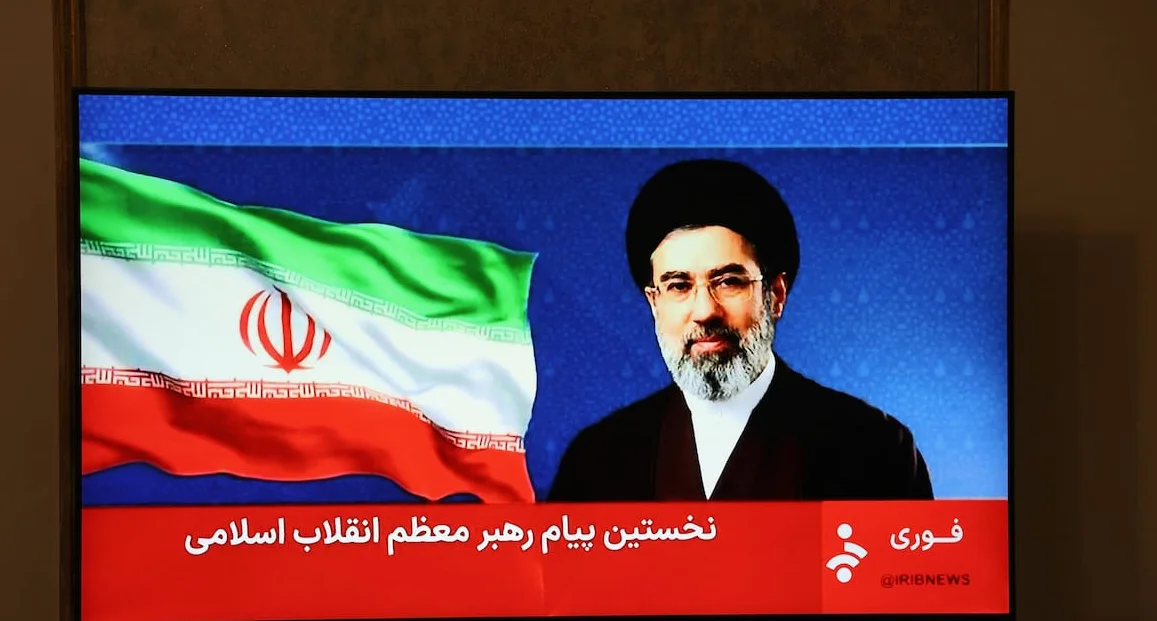
Iran’s newly appointed Supreme Leader, Ayatollah Mojtaba Khamenei, has categorically rejected ceasefire proposals made through a third country, according to a report by Reuters on March 17, 2026. The proposals were reportedly delivered by two mediating nations seeking to ease tensions between Iran and the United States, as well as Israel, following a period of heightened conflict in the Middle East.
Conditions for Peace
Khamenei’s stance, as conveyed by a senior Iranian official who requested anonymity, reflects a firm commitment to retaliation against the United States and Israel, according to Reuters. The official said that the Supreme Leader believes peace can only be discussed once the U.S. and Israel ‘kneel, admit defeat, and pay the corresponding compensation.’ This aligns with Iran’s long-standing position that any ceasefire must include formal apologies and financial reparations from both nations, which are seen as the instigators of the ongoing conflict.
Iran has consistently reiterated its resolve to continue military operations unless these conditions are met. The country has used various diplomatic channels to communicate its demands, including statements from high-ranking officials and state media. These demands are part of a broader strategy to assert Iran’s position in the region and to hold the U.S. and Israel accountable for what Iran perceives as aggression.
Trump’s Stance on the War
U.S. President Donald Trump has publicly stated that the war will end soon, but he has also emphasized that more time is needed to complete the mission. Reuters reported earlier in the week that the Trump administration rejected diplomatic efforts by Middle Eastern allies aimed at ending the conflict. Trump’s remarks suggest a focus on achieving a military objective before pursuing peace talks.
Trump’s administration has been criticized for its reluctance to engage in negotiations, with some analysts arguing that the U.S. is prioritizing military outcomes over de-escalation. The administration has maintained that the U.S. is not seeking a ceasefire but rather a strategic advantage in the region. This approach has been met with skepticism by some allies and international observers, who believe that continued hostilities could lead to further instability.
According to the Reuters report, the Trump administration has been dismissive of diplomatic overtures, including those from Gulf states and other regional powers. This has raised concerns about the potential for prolonged conflict and the risk of further escalation, particularly with Iran’s hardline stance under Khamenei.
Regional Implications and International Concerns
The rejection of ceasefire proposals by Iran’s Supreme Leader has significant implications for the Middle East and global security. The conflict has already caused widespread humanitarian suffering, with civilians bearing the brunt of the fighting. Analysts warn that the refusal to consider a ceasefire could lead to further loss of life and economic damage in the region.
International organizations, including the United Nations, have called for a de-escalation of hostilities and a return to diplomatic dialogue. However, the current political climate in the U.S. and Iran makes such efforts challenging. The situation has also raised concerns about the potential for further involvement by other global powers, including Russia and China, who have been monitoring the conflict closely.
The U.S. and Israel have not officially responded to Iran’s demands for an apology and compensation, but both nations have maintained their position that they are acting in self-defense. This has created a stalemate in negotiations, with neither side willing to compromise on key issues.
According to the Reuters report, the U.S. has been preparing for potential military operations in the region, with increased troop movements and military exercises in the Gulf. This has raised fears of further escalation, particularly if Iran continues its retaliatory actions.
The situation highlights the challenges of achieving peace in a highly polarized geopolitical environment. With both sides entrenched in their positions, the path to a resolution remains uncertain. Analysts warn that the continued refusal to engage in meaningful negotiations could lead to further violence and instability in the region.
As the conflict enters its fourth year, the international community is closely watching the developments. The outcome of this crisis could have far-reaching consequences, not only for the countries directly involved but also for global security and economic stability.




Comments
No comments yet
Be the first to share your thoughts