

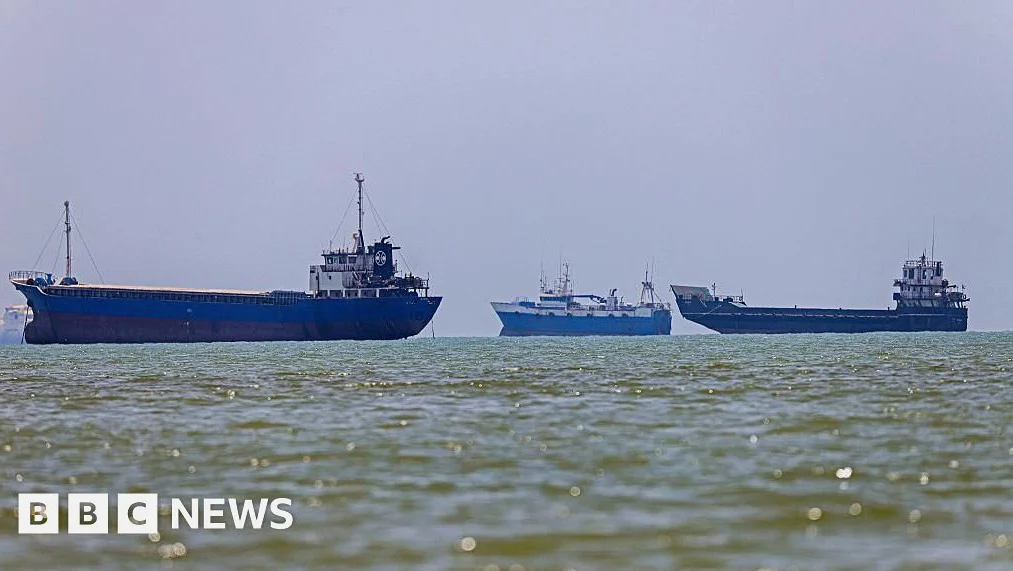
Iran’s Islamic Major Guard Corps Navy warned on Saturday that ships should avoid the Strait of Hormuz, citing safety risks. The waterway, a critical global oil route, had previously been reopened under an interim peace agreement. The announcement came hours after Israeli airstrikes in southern Lebanon killed at least 16 people, including two children, according to Lebanese civil defense and media.
U.S. and Iran Disagree on Status of Strait
U.S. Central Command (Centcom) said in a statement on X that 55 merchant ships had safely passed through the strait on Saturday, moving over 17 million barrels of oil. The U.S. military emphasized that it remained “present and vigilant” to ensure the agreement with Iran was “adhered to, obeyed, and in full force and effect.” However, the statement did not acknowledge Iran’s warning.
Continued Israeli Strikes Fuel Tensions
The Israeli military confirmed a ceasefire between Israel and Hezbollah had taken effect on Friday, but it also stated that its forces would continue to “remove immediate threats.” The U.S. government criticized Israel’s ongoing operations in Lebanon, which were drawn into the conflict when Hezbollah launched rockets into Israel in retaliation for U.S.-Israel strikes that killed Iran’s supreme leader.
On Saturday, a family of four was killed in southern Lebanon, according to state media. Hezbollah accused Israel of repeatedly violating the ceasefire and said it has the right to “defend their land and sovereignty.” Israeli Prime Minister Benjamin Netanyahu warned that the Iranian-backed militia would pay a “very high price” for its attacks.
Iran has also accused the U.S. of violating the ceasefire. “We insist that a ceasefire in Lebanon is an essential condition for any deal aimed at ending the war,” said Iranian Foreign Ministry spokesman Esmaeil Baqaei. At this stage, Iran’s priority is to end the war, not to negotiate its nuclear program, he added.
Gold Prices Drop as Peace Hopes Flicker
Amid the uncertainty, gold prices fell to near $4,450 on Wednesday, according to market reports. Analysts noted that optimism over the U.S.-Iran agreement had faded over the weekend. The U.S. is not removing sanctions on Iran in exchange for reopening the Strait of Hormuz, said Secretary of State Marco Rubio, adding that any sanctions relief would be conditional on Iran giving up enriched uranium.
U.S. President Donald Trump claimed that Israel “has great respect for me and does what I say” and insisted that he had secured a renewed ceasefire between Israel and Hezbollah. Israel’s ambassador to the U.S., Yechiel Leiter, reiterated that the country was “firmly committed to an immediate ceasefire.”
Despite these assurances, the situation remains volatile. Iran’s warning to close the strait,should the fighting continue—has raised concerns about the stability of global oil supplies and the risk of further escalation in the region.






Comments
No comments yet
Be the first to share your thoughts