

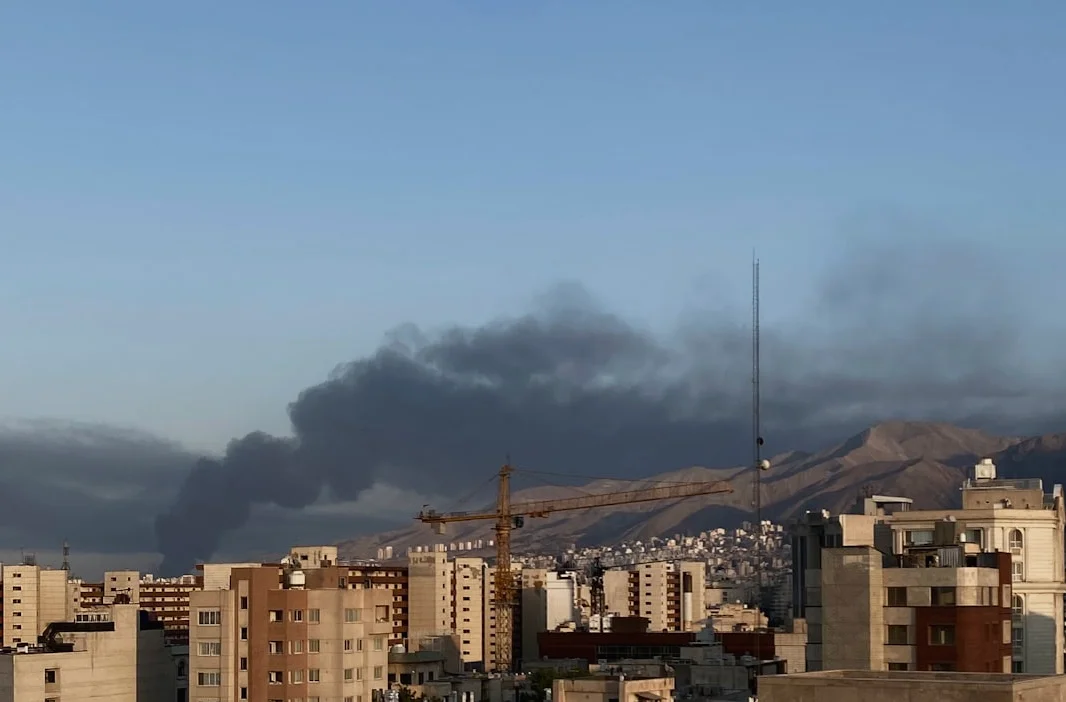
Iran has carried out a series of coordinated attacks targeting Israel and several Gulf states, marking a significant escalation in the ongoing regional tensions. According to Reuters. The strikes occurred in the early hours of Wednesday, with at least three missiles and drones launched from Iranian soil; the attacks targeted military installations in Israel and key infrastructure in Saudi Arabia and the United Arab Emirates. In a separate development. Tehran has also signaled its willingness to engage in diplomatic discussions to de-escalate the conflict, according to a statement released by the Iranian foreign ministry.
Regional Fallout and Responses
The attacks have triggered immediate responses from affected nations. Israel’s military confirmed that several of its air defense systems were activated to intercept the incoming projectiles, though it is unclear how many were successfully neutralized. According to Israeli officials. The strikes were a direct response to recent U.S. military movements in the region, which have raised concerns about the potential for further escalation; the U.S. has deployed additional troops to the Middle East as a show of force, according to a Pentagon spokesperson.
Meanwhile, Saudi Arabia and the UAE have issued statements condemning the attacks and calling for an immediate ceasefire. The UAE’s foreign ministry described the strikes as an act of aggression and warned of potential retaliation. In contrast. Iran’s state media emphasized that the attacks were a necessary measure to protect national security and regional stability. The Iranian government has also called for a return to diplomatic negotiations, with Foreign Minister Hossein Amir-Abdollahian stating, “We are ready to engage in talks to resolve this crisis, but only if the other side is willing to listen and compromise.”
Regional analysts have noted that the attacks come at a time of heightened uncertainty. The U.S. has been actively involved in diplomatic efforts to mediate between Iran and its regional adversaries, according to a report from the BBC. However, the recent strikes have complicated those efforts, with some experts suggesting that the attacks may be an attempt to shift the balance of power in the region.
International Reactions and Diplomatic Efforts
The international community has reacted with concern to the escalation of hostilities; the United Nations Security Council has called for an immediate halt to the attacks and has urged all parties to return to the negotiating table. According to the UN spokesperson. The council is preparing to hold an emergency session to address the situation. The European Union has also issued a statement condemning the attacks and calling for restraint.
In the U.S., President Joe Biden has ordered an increase in military readiness in the Middle East, according to a White House statement. The administration has also indicated that it is exploring new diplomatic avenues to de-escalate the situation. However, some lawmakers have criticized the administration’s handling of the crisis, with several senators calling for a more aggressive response to Iran’s actions.
In contrast, China has taken a more neutral stance, calling for dialogue and peaceful resolution of the conflict. According to a Chinese state media report, Beijing has urged all parties to avoid actions that could further inflame tensions. Russia, meanwhile, has expressed support for Iran’s actions, with Russian officials stating that the attacks were a legitimate response to perceived threats.
Despite these international reactions, the path to a peaceful resolution remains uncertain. According to a report from NHK, Japanese officials have warned that the situation could spiral into a broader regional conflict if diplomatic efforts fail. The Japanese government has also urged all parties to exercise restraint and prioritize dialogue over military action.
Local Impact and Civilian Concerns
The strikes have had a significant impact on local populations in the affected countries. In Israel, thousands of residents were evacuated from areas near military bases, with some fleeing to shelters. According to Israeli media, the attacks have caused widespread fear and anxiety among civilians, with many questioning the government’s ability to protect them. In Saudi Arabia and the UAE, similar concerns have been raised, with local authorities issuing warnings to residents to remain indoors and avoid unnecessary travel.
In Iran, the government has taken steps to reassure the public, with state media emphasizing that the country is prepared to defend itself against any further aggression. However, some analysts have noted that the attacks have also caused internal divisions within Iran, with some citizens expressing support for the military actions while others call for a return to diplomacy.
Local businesses in the Gulf states have also been affected by the heightened tensions. According to a report from Al Jazeera, several major ports and airports have experienced delays due to increased security measures. The economic impact of the conflict is beginning to be felt, with trade routes being disrupted and investment flows slowing down.
In Israel, the tourism sector has also suffered, with several international travel companies advising against non-essential travel to the country. According to the Israeli Ministry of Tourism, the number of international visitors has dropped by nearly 40% in the past week. This has raised concerns about the long-term economic consequences of the conflict.
What’s Next and Forward-Looking Implications
The immediate focus for all parties is on preventing further escalation of the conflict. The U.S. has indicated that it will continue to monitor the situation closely and may take additional measures if necessary. However, the administration has emphasized its commitment to a diplomatic solution. According to a White House official, the U.S. is in contact with all relevant parties and is working to facilitate a return to the negotiating table.
In Iran, the government has stated that it will not retreat from its position and will continue to take actions it deems necessary to protect its national interests. However, some analysts believe that the recent attacks may have pushed Iran to a point where it is more open to compromise. According to a report from the International Crisis Group, the Iranian leadership may be under pressure to find a diplomatic solution to avoid further isolation.
The international community is also closely watching the situation, with the UN Security Council preparing to take further action if the conflict continues to escalate. The possibility of sanctions against Iran or its allies is being discussed, according to a European Union official. However, the effectiveness of such measures remains uncertain, given the complex nature of the conflict.
Local populations in the affected countries are likely to remain in a state of heightened alert for the foreseeable future. The ongoing conflict has already caused significant disruption to daily life, and the potential for further attacks remains a concern. According to a report from the United Nations, the humanitarian impact of the conflict is expected to increase if the situation continues to deteriorate.
Why It Matters
The recent strikes and the resulting escalation of tensions have significant implications for regional and global security. The conflict has the potential to draw in other major powers, with the risk of a broader regional war increasing. The humanitarian and economic consequences of the conflict are already being felt, and the situation remains highly unstable.
The diplomatic efforts to resolve the conflict are critical to preventing further escalation. However, the current stalemate highlights the challenges of achieving a peaceful resolution in a region marked by deep-seated tensions and mutual distrust. The outcome of these efforts will have far-reaching consequences for the stability of the Middle East and beyond.






Comments
No comments yet
Be the first to share your thoughts