

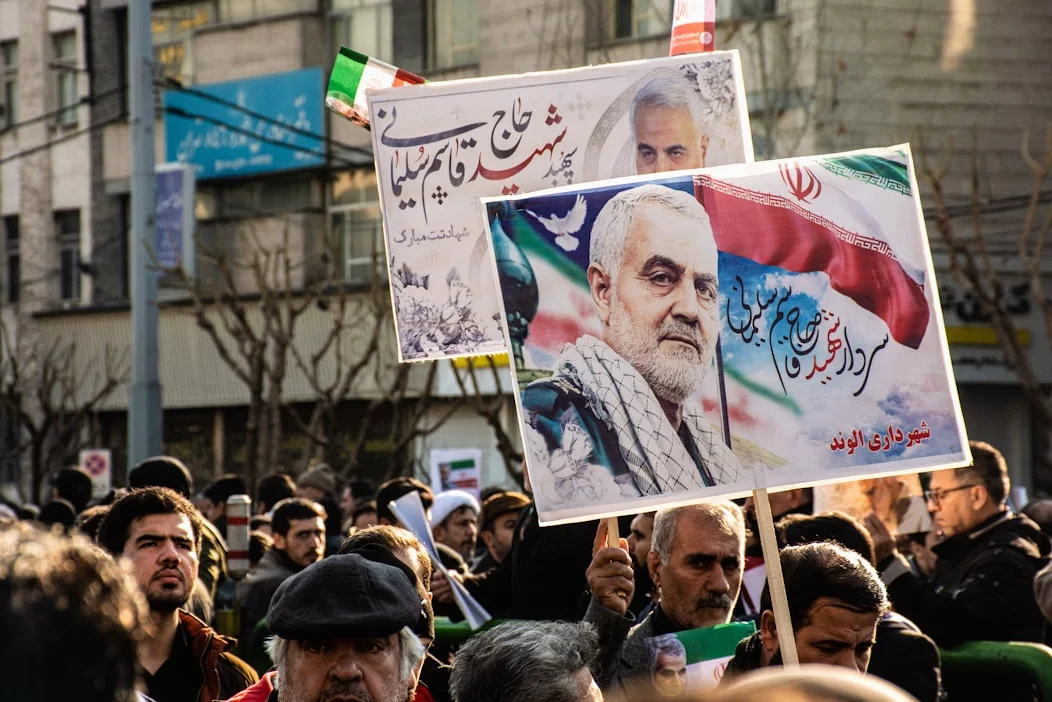
Iran has raised doubts about Donald Trump’s efforts to broker peace, according to recent reports from international news outlets. The U.S. is reportedly pursuing a dual strategy of diplomacy and military pressure, which has drawn criticism from Iranian officials. A spokesperson for Iran’s armed forces stated that the U.S. is ‘negotiating with itself,’ highlighting the skepticism toward Trump’s peace initiatives.
Iran’s Distrust Toward Trump’s Peace Efforts
Iran’s armed forces spokesperson has openly criticized Trump’s peace proposals, indicating that the U.S. is not engaging in genuine negotiations. According to investingLive. Iran’s officials have questioned the sincerity of Trump’s peace overtures, suggesting that the U.S. is not committed to meaningful dialogue; this skepticism is rooted in past experiences where U.S. diplomatic efforts have been perceived as insincere or conditional.
Iran’s distrust is further compounded by the U.S.’s simultaneous military actions, though the U.S. has been conducting airstrikes in the region, which Iran views as a demonstration of military might rather than a genuine attempt at de-escalation. This dual approach has led to a perception that the U.S. is using diplomacy as a cover for its military operations.
According to Hindustan Times. Iran has indicated a willingness to engage in peace talks but has explicitly ruled out negotiations with Trump or his associates — this stance reflects a broader distrust of the Trump administration’s intentions and a desire to engage with alternative U.S. leadership.
Trump’s Peace Proposals and Their Reactions
President Trump has claimed that Iran has provided a ‘very big gift related to oil and gas’ during the ongoing peace talks; this assertion has been met with skepticism by various international observers and media outlets. Decrypt reports that Trump’s claims have coincided with a rise in Bitcoin prices, which some analysts suggest may be linked to market speculation about the potential for a resolution in the Middle East.
However, the specifics of Trump’s peace proposals remain unclear, and there is no concrete evidence to support his claims. Iranian officials have not confirmed any such ‘gift’ from Iran, and the U.S. has not released detailed terms of the proposed peace agreement. This lack of transparency has fueled further doubts about the sincerity of Trump’s initiatives.
Despite the uncertainty. Trump’s statements have generated significant media attention and have been widely discussed in financial markets. The rise in Bitcoin prices may be influenced by the broader geopolitical context, but it is unclear whether this is directly related to Trump’s peace efforts.
Regional Implications and Diplomatic Tensions
The situation has broader implications for regional stability and international relations; Iran’s refusal to engage with Trump has led to speculation about potential peace talks involving other U.S. officials, such as Vice President JD Vance. According to Hindustan Times, Iran has expressed a preference for negotiations with Vance, indicating a desire to engage with alternative U.S. leadership.
The U.S. military’s continued presence in the region, including airstrikes and naval operations, has been a point of contention. Iranian officials have warned that sustained U.S. military pressure could lead to further escalation of hostilities. This dynamic creates a complex geopolitical landscape where both sides are cautious about taking steps that could be perceived as concessions.
Regional actors, including Gulf Cooperation Council (GCC) countries, have been closely monitoring the situation. Some have expressed concerns about the potential for increased conflict, while others have called for a de-escalation of tensions. The involvement of third-party mediators, such as European powers or international organizations, has been suggested as a potential avenue for resolving the standoff.
Public and Political Reactions
Public sentiment in Iran appears to be divided on the issue of engaging with the U.S. Some segments of the population view any form of dialogue with the U.S. as a betrayal of national interests, while others believe that engagement could lead to a reduction in hostilities and improved economic conditions.
Politically, the Iranian government has maintained a firm stance against negotiations with Trump, emphasizing the need for a more full approach to regional security. This position is supported by key political figures who argue that any agreement with the Trump administration would be perceived as a capitulation to U.S. demands.
On the U.S. side, there is a mix of opinions regarding the effectiveness of Trump’s peace initiatives. Some policymakers support the idea of diplomatic engagement, while others advocate for a more assertive military approach. The lack of consensus within the U.S. government has complicated the development of a unified strategy.
The future of the situation remains uncertain. The continued military actions by the U.S. and the skepticism from Iran suggest that the path to a resolution is fraught with challenges. However, the possibility of renewed diplomatic efforts involving other U.S. officials or international mediators cannot be ruled out.
Regional stability will depend on the ability of both sides to find common ground and engage in meaningful dialogue. The role of international actors, including European powers and the United Nations, may become increasingly important in facilitating a peaceful resolution to the ongoing tensions.
As the situation evolves, it will be key to monitor developments in both diplomatic and military spheres. The potential for a breakthrough in negotiations or a further escalation of hostilities remains a key concern for policymakers and analysts alike.

Comments
No comments yet
Be the first to share your thoughts