

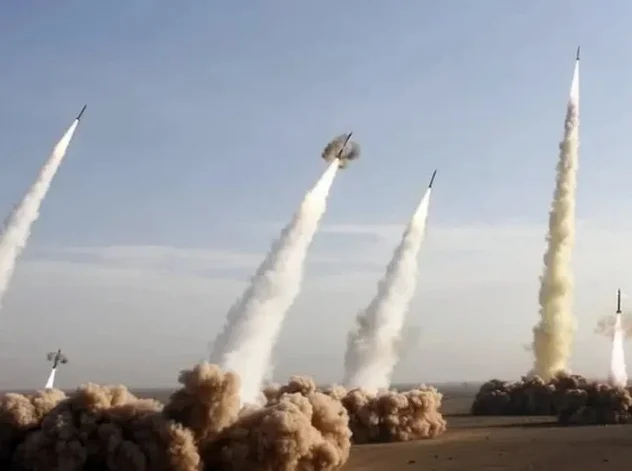
Iran launched two intermediate-range ballistic missiles toward Diego Garcia, a strategic US-UK military base in the Indian Ocean, but neither struck the facility, according to sources. The Wall Street Journal reported that one missile failed mid-flight, while the second was targeted by an SM-3 interceptor fired from a US warship, and However, it remains unclear whether the interception was successful. The Journal did not specify when the missiles were launched.
Escalating Regional Tensions
The attack comes as the conflict between the United States, Israel, and Iran continues to escalate. More than 2. 000 people have been killed since the US and Israel began their military operations against Iran on February 28, with many of the casualties being civilians. The Israeli military has been conducting airstrikes on Iran and Lebanon, targeting Hezbollah and other Iran-backed militias; In Beirut, over 1 million people have been displaced due to the ongoing violence.
On Saturday. Israel launched new attacks on Iran. Including on the capital, Tehran, according to the Israeli military. The attacks follow a series of airstrikes on Hezbollah in the Lebanese capital, which have been described as the deadliest spillover from the war on Iran since Hezbollah supported Tehran in March. The Israeli military also issued evacuation warnings for seven neighborhoods in southern Beirut, although some warnings were issued only an hour before the bombardment began.
Trump’s Stance on Winding Down Operations
US President Donald Trump suggested on Friday that the United States is considering winding down military operations against Iran but has not pursued a ceasefire. According to Al Jazeera. Trump stated that he does not want to negotiate a ceasefire with Iran, saying, ‘You know you don’t do a ceasefire when you’re literally obliterating the other side.’.
Trump criticized NATO allies for not helping to reopen the Strait of Hormuz, which has been effectively closed to most shipping since the start of the conflict. The strait is a vital conduit for about a fifth of global oil and liquefied natural gas supplies, while he accused allies of being ‘cowards’ for not supporting efforts to ensure safe passage through the waterway.
Germany and France have indicated they are willing to assist in reopening the strait but have insisted that fighting must stop first; German Chancellor Friedrich Merz said he would speak to Trump this weekend to discuss the situation. Meanwhile, Iran reportedly offered to allow Japanese-related vessels to pass through the strait, according to Kyodo News, citing Iranian Foreign Minister Abbas Araqchi.
Global Economic Impact
The conflict has had a significant economic impact, with oil prices rising by about 50% since the start of the war. In the US, United Airlines has announced plans to cut its scheduled flights by 5% in the second and third quarters to prepare for prolonged higher oil prices. The Trump administration has waived sanctions on Iran for 30 days to allow the sale of 140 million barrels of oil stranded on tankers, a move aimed at increasing supply and lowering prices.
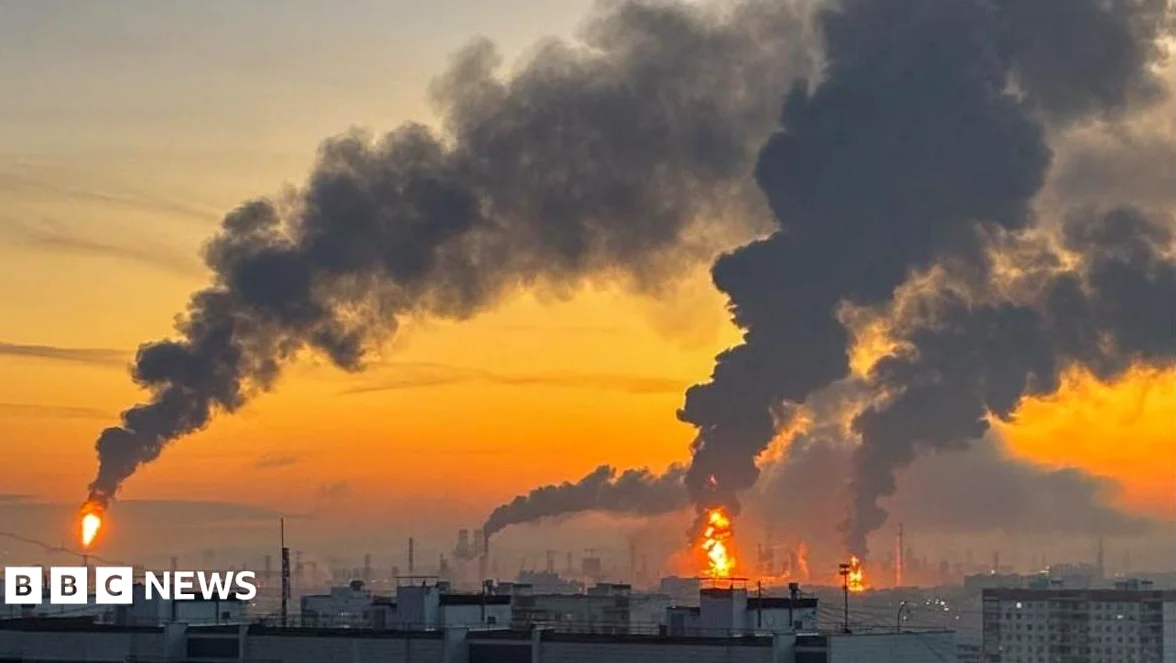
Vital energy infrastructure in both Iran and neighboring Gulf states has been attacked, further complicating the situation. Kuwait’s state oil firm reported that its Mina Al-Ahmadi refinery had suffered multiple drone attacks, some of which set units alight. This is the latest in a series of energy facility attacks in the region.
The US military is also increasing its presence in the Middle East. Officials told Reuters that 2,500 Marines, along with the USS Boxer and accompanying warships, would be deployed to the region. However, no official role for the Marines has been specified. Some sources suggested possible targets could include Iran’s coast or the Kharg Island oil export hub.
Trump stated that the US is close to achieving its goals in the war, which include degrading Iran’s military and preventing it from developing a nuclear weapon. He suggested the US may wind down its military effort in the coming days.
The UK government has authorized the use of its bases in Britain for US strikes on Iranian missile sites targeting ships in the Strait of Hormuz. Most of Iran’s major energy facilities and assets in nearby countries have been targeted in the ongoing conflict.
Meanwhile, questions have arisen about the health of Iran’s Supreme Leader, Mojtaba Khamenei. Khamenei has not been seen in public since the Israeli attack that killed his father and predecessor, Ayatollah Ali Khamenei. In a message to the public, Khamenei expressed defiance, stating that Iranians have responded with unity and resistance, dealing a ‘disorienting blow to the enemy.’
A US intelligence official, speaking on condition of anonymity, raised concerns about Khamenei’s condition, noting his extended absence from public view. The official suggested that Khamenei’s absence raises questions about who is running the country and whether he is in good health.
Despite the extensive bombing campaign, US and Israeli officials believe Iran still has the capability to retaliate. The Iranian Major Guards have claimed they attacked Haifa and Tel Aviv with multi-warhead missiles and used drones to target weapons stocks at US bases, including Sheikh Isa air base in Bahrain. No official comment was provided on these claims.




1 Comment