

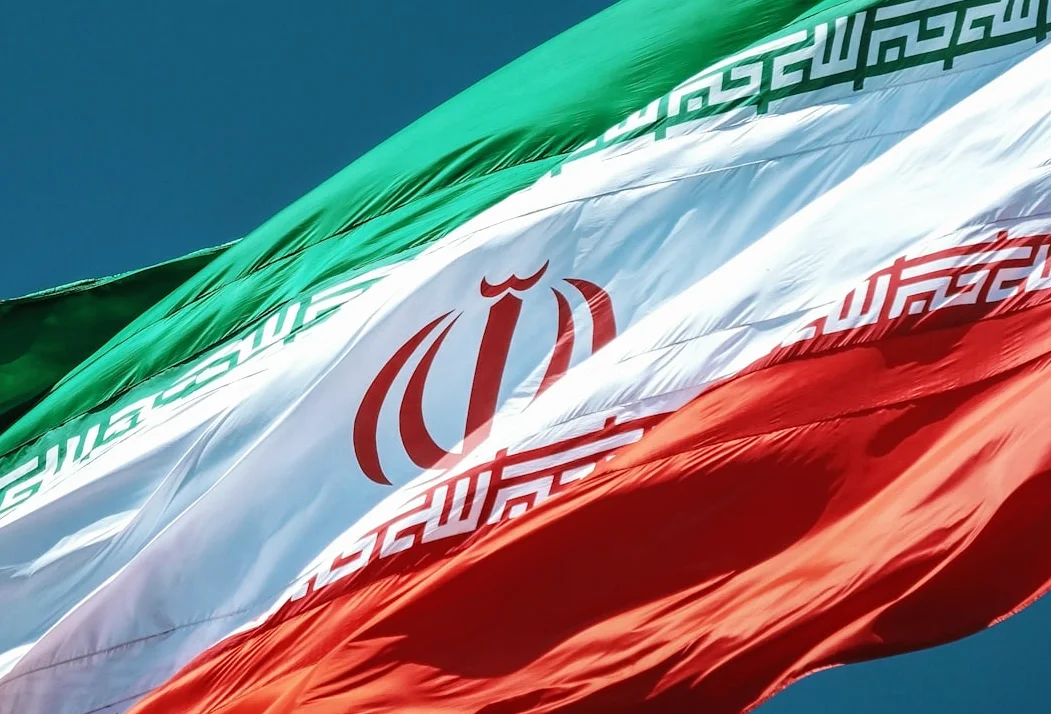
Iran has issued a warning that it may begin attacking major U.S. technology firms starting April 1, according to reports from WIRED and Japanese news outlets. The Islamic Major Guard Corps (IRGC) reportedly released a target list that includes tech giants such as Apple, Google, and Microsoft. This announcement comes amid rising tensions between Iran and the United States, with both sides accusing each other of cyber and military provocations.
Origins of the Threat
The threat was first reported by WIRED, which cited the IRGC’s public statement. According to the report, the IRGC has identified key U.S. technology firms as potential targets. These companies are among the most influential in the global digital economy, controlling vast networks of data and infrastructure. Iranian officials did not specify the nature of the attacks but warned that they could include cyber operations or physical disruptions to critical systems.
Japanese news outlet WIRED.jp also reported on the same event, translating the original English article and adding context about the geopolitical climate. The article notes that the U.S. has been increasing its presence in the Middle East, which Iran views as a direct challenge to its sovereignty and security. ‘The IRGC has made it clear that it will not stand idly by as U.S. tech firms continue to operate in the region,’ the report stated.
Spanish news site Libertad Digital reported on the potential implications of the threat. The article noted that the U.S. has been strengthening its military presence in the Persian Gulf, which has raised concerns among Iranian officials. ‘Iran is not just reacting to the presence of U.S. forces,’ the report said. ‘It is also responding to what it sees as an economic and technological encroachment by American firms.’
Local Reactions and Concerns
The threat has sparked concern not only among U.S. tech firms but also among international allies and partners. In Japan, where many U.S. tech companies have significant operations, officials have warned that the situation could have serious economic repercussions. Japanese officials told NHK that the country is monitoring the situation closely and is preparing contingency plans in case of an attack.
German-based human rights organization Business and Human Rights Centre (BHR) also weighed in, noting that the potential attacks could have broader implications for digital rights and global supply chains. ‘The threat against major tech firms could disrupt global digital infrastructure and impact human rights,’ the organization stated. ‘It is major that all groups work together to prevent escalation and ensure that the digital economy remains secure and open.’
In Spain, Libertad Digital reported that some experts believe the threat is more of a political statement than an immediate military action. ‘Iran may be using this warning to gain exploit in negotiations with the U.S. and its allies,’ the article suggested. ‘However, if the situation escalates, the consequences could be severe.’
Historical Context and Tensions
The current situation is not the first time Iran has issued threats against U.S. interests. In 2019, Iran was accused of cyberattacks targeting American banks and defense contractors. These incidents were part of a broader pattern of cyber warfare and political brinkmanship between the two countries.
According to WIRED, the latest threat is part of a growing trend of cyber conflicts involving state-sponsored actors. The report cited data showing that in the past five years, the number of cyberattacks attributed to Iran has increased by over 40 percent. ‘This is a clear indication that Iran is becoming more aggressive in its use of cyber warfare,’ the report stated.
Libertad Digital noted that the U.S. has been ramping up its own cyber capabilities in response to Iranian threats. ‘The U.S. has been investing heavily in cybersecurity infrastructure and is preparing for potential attacks from Iran and other state actors,’ the report said. ‘This is a sign that both countries are preparing for a new phase of conflict in cyberspace.’
Experts predict that the situation will remain tense in the coming weeks, with both Iran and the U.S. closely monitoring each other’s actions. According to WIRED, the U.S. is likely to increase its military presence in the region to deter any potential attacks. ‘The U.S. is sending a clear message that it will not allow Iran to destabilize the region through cyber warfare,’ the report stated.
Business and Human Rights Centre has called for international cooperation to address the threat. ‘It is essential that all countries work together to prevent the escalation of tensions and ensure that the digital economy remains secure,’ the organization said. ‘The threat to major tech firms is not just a regional issue—it is a global concern.’
Libertad Digital reported that some analysts believe the threat is more symbolic than practical. ‘Iran may be using the warning to gain political exploit, but it is unlikely to follow through with actual attacks,’ the report suggested. ‘However, if the situation escalates, the consequences could be far-reaching.’
Why It Matters
The potential attacks on U.S. tech firms have significant implications for global digital infrastructure and economic stability. Companies like Apple, Google, and Microsoft are integral to the global economy, and any disruption to their operations could have far-reaching consequences. According to WIRED, the attacks could lead to a breakdown in critical systems, including financial networks and communication platforms.
Business and Human Rights Centre emphasized the importance of protecting digital rights and ensuring that the global economy remains secure. ‘The threat against major tech firms is not just a security issue—it is also a human rights issue,’ the organization said. ‘It is key that all parties work together to prevent escalation and ensure that the digital economy remains open and accessible to all.’
Libertad Digital noted that the situation could also have political ramifications. ‘The threat from Iran could lead to increased military spending and a shift in global alliances,’ the report said. ‘This is a sign that the world is entering a new era of cyber conflict and geopolitical tension.’






Comments
No comments yet
Be the first to share your thoughts